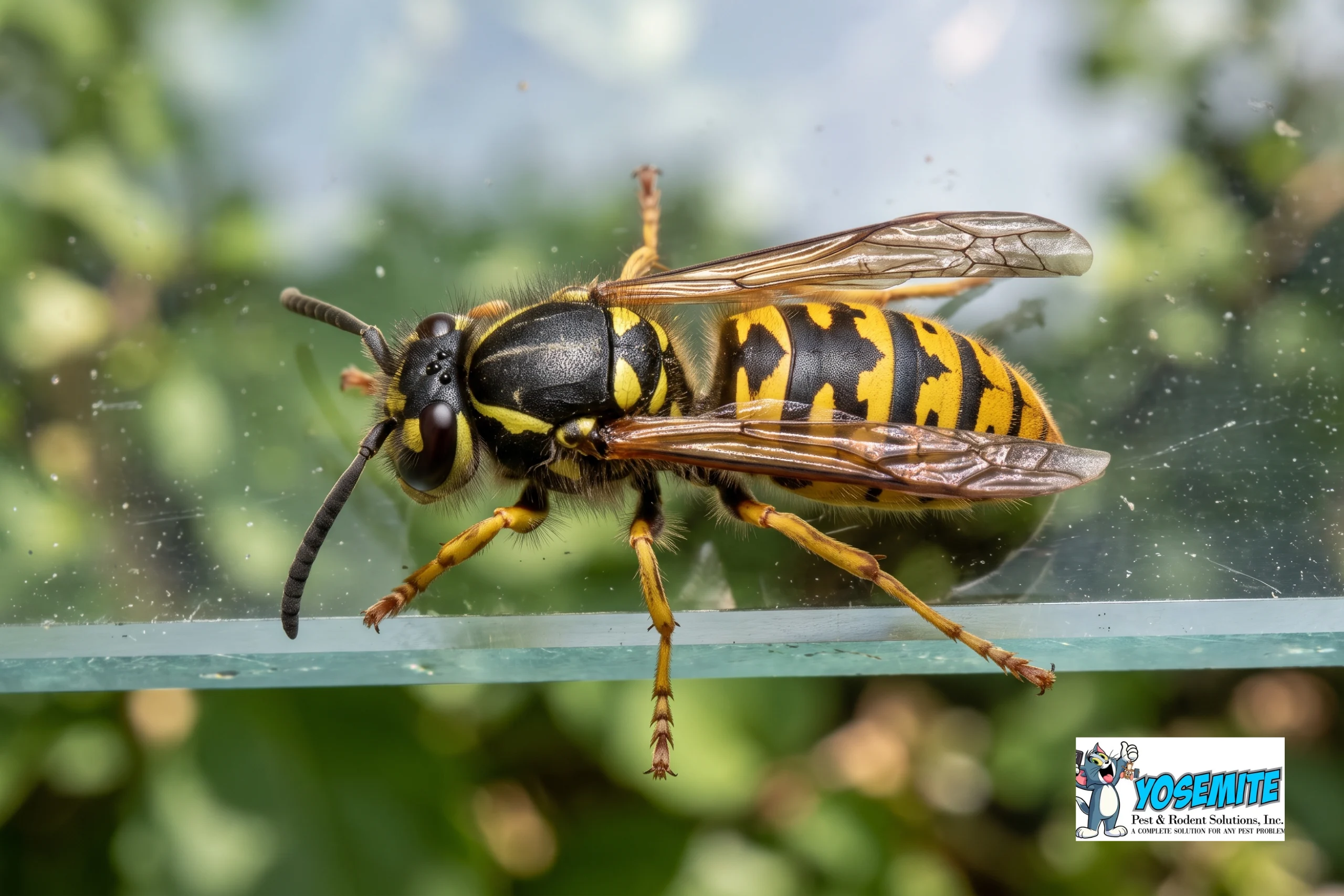
Common Habitat of Yellow Jackets:
Yellow jackets are highly social wasps that build nests in many sheltered locations above and below ground. They are often found nesting in trees, shrubs, wall voids, attics, roof edges, eaves, and underground burrows left by rodents. Some colonies may also develop inside hollow logs or hidden landscape spaces. During warm seasons, colonies rapidly expand and workers become more active while searching for sugary foods, meats, and household waste. Professional pest control yellow jackets solutions are often needed when nests develop close to homes or outdoor gathering areas.
Risks & Concerns:
Yellow jackets are one of the most aggressive stinging insects, especially when their nest is disturbed. Unlike bees, they can sting multiple times, causing pain, swelling, and discomfort. For individuals with allergies, stings may trigger serious medical reactions that require immediate attention. Since nests are commonly built in lawns, gardens, patios, and other high-traffic areas, accidental encounters can happen easily. Quick identification and safe treatment are important to reduce risks for families and pets.
Signs of Yellow Jackets:
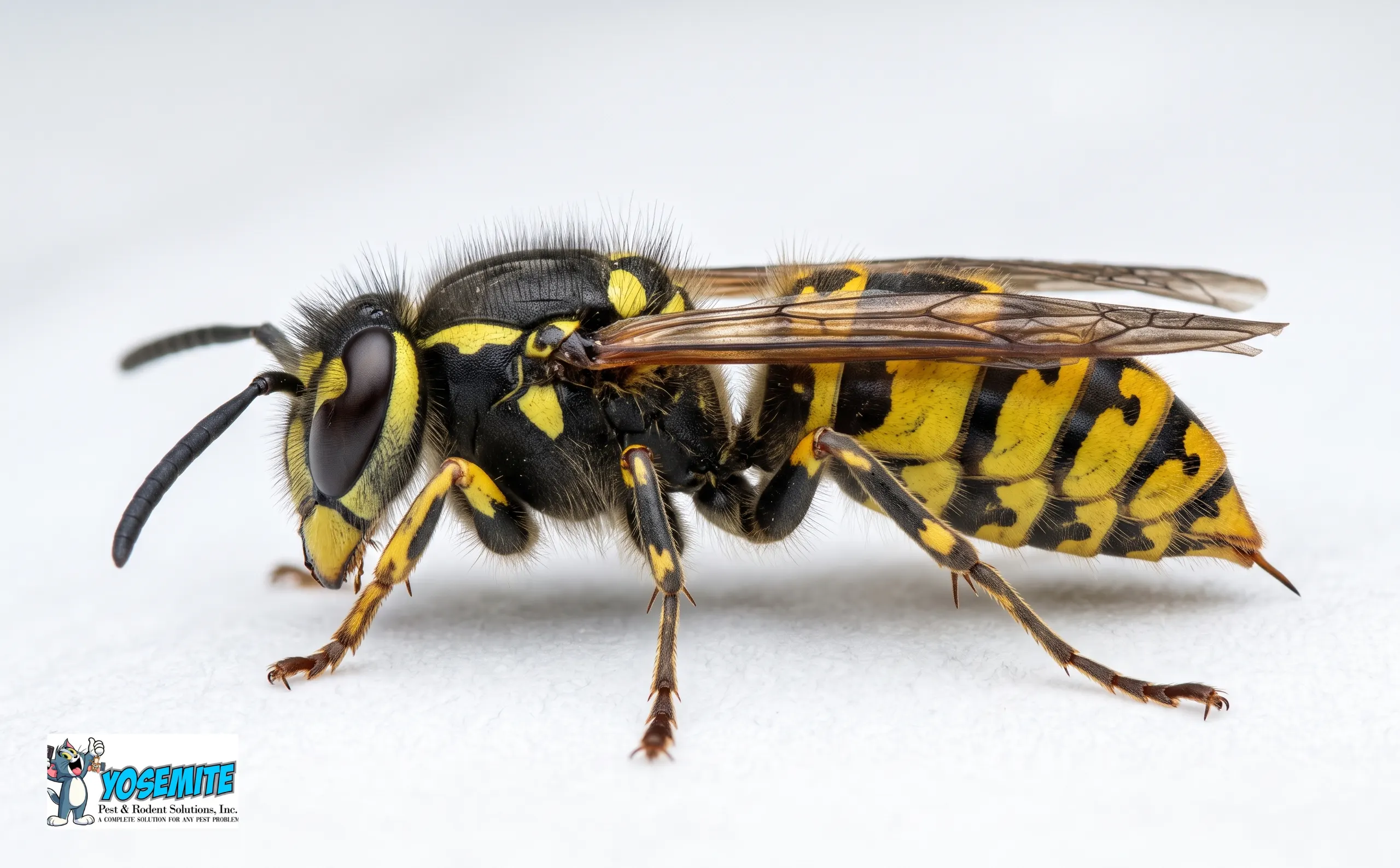
Common signs of yellow jacket presence include visible nests in bushes, trees, under rooflines, inside wall spaces, or in ground openings. You may also notice frequent wasps flying in and out of one specific area, which usually indicates an active colony. Increased insect activity around trash bins, picnic tables, outdoor kitchens, and patios is another warning sign. In late summer and early fall, colonies become larger and wasps often act more aggressively around food and drinks. Repeated sightings in the same location usually mean professional pest control yellow jackets service is recommended.
Prevention:
Preventing yellow jacket infestations starts with reducing food sources and limiting access to nesting areas. Keep outdoor eating spaces clean and store garbage in tightly sealed containers. Do not leave sugary drinks, pet food, or uncovered meals outside for long periods. Seal cracks and openings around siding, foundations, rooflines, and vents to block entry points. Trim overgrown vegetation and remove unused wood piles or yard debris where nests may develop. Routine inspections and seasonal pest treatments can help prevent colonies from becoming established near your property.
ve pest control treatments help reduce yellow jacket pressures before colonies become established.


 July 5, 2025