Common Habitat of Clover Mites, Springtails & Crickets
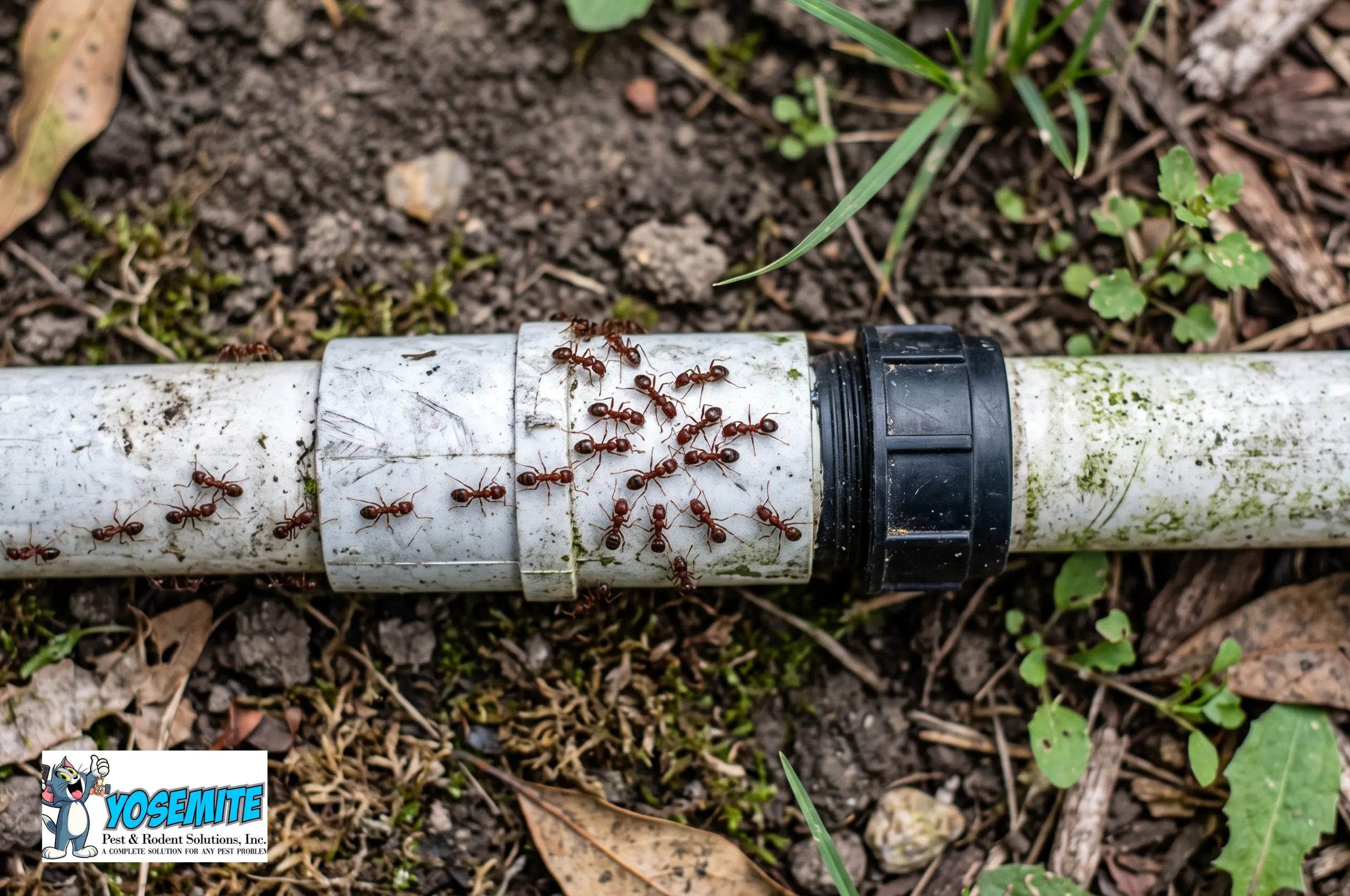
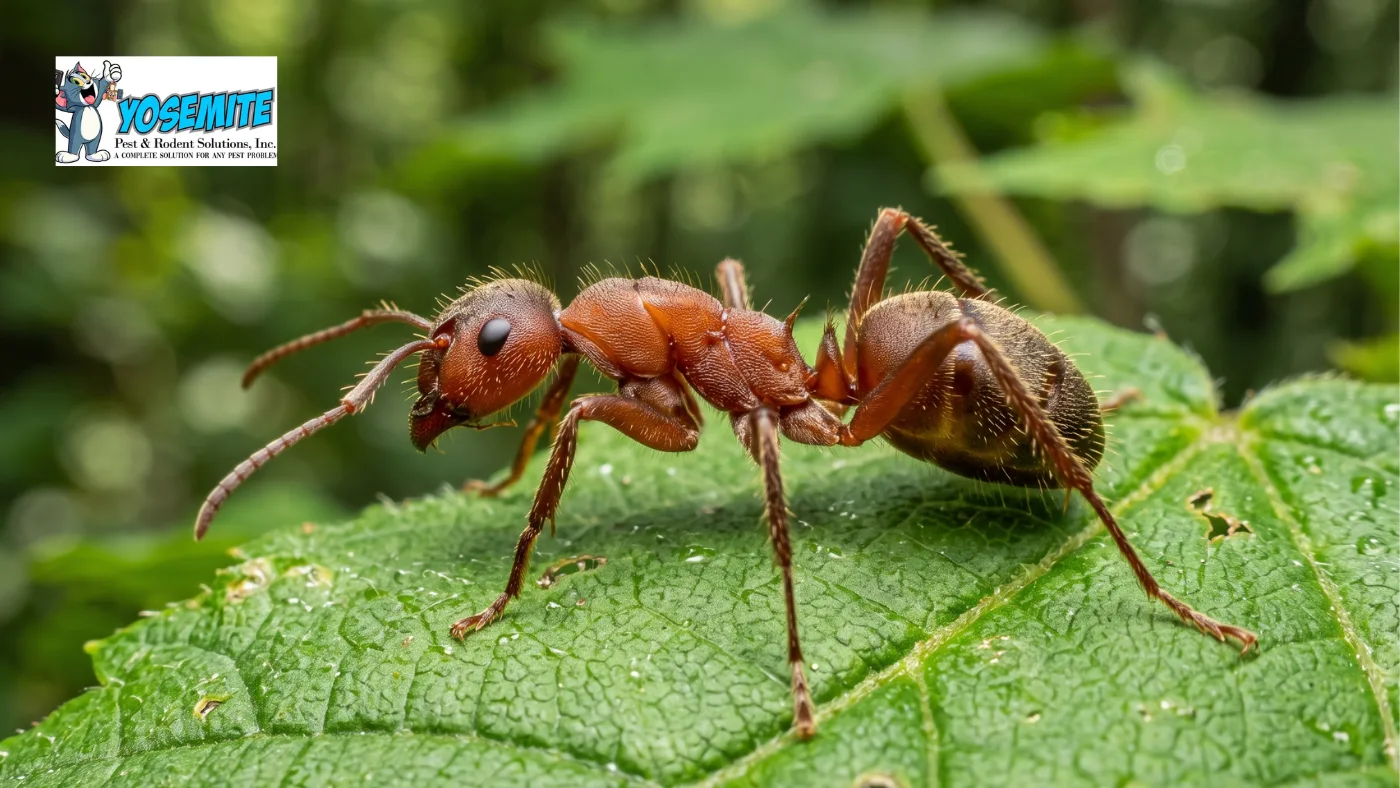
Clover mites, springtails, and crickets are mostly outdoor pests that prefer areas with vegetation, soil, and moisture. They are often found in lawns, garden beds, mulch, and damp landscaping around homes. These pests frequently gather near foundations, beneath siding, and around windows or shaded areas where conditions remain cool and moist.
Changes in weather, such as heavy rain, seasonal transitions, or sudden dry conditions, can cause them to move indoors. They may enter through tiny openings around doors, windows, foundations, or utility lines while searching for shelter, moisture, or warmer conditions.
Risks & Diseases
Although these pests are not known to spread diseases or cause structural damage, they can become a nuisance when they appear indoors in large numbers. Crickets may chew on fabrics, paper products, or stored food items, which can lead to minor damage inside the home.
Clover mites can also create issues if crushed, as they may leave reddish stains on walls, carpets, or window areas. In many cases, the presence of these pests inside the home suggests outdoor conditions such as excess moisture, heavy vegetation near the structure, or small openings that allow them to enter.
Signs of Clover Mites, Springtails & Crickets’ Infestation
Signs of activity often include groups of small insects appearing around windowsills, door frames, siding, or along foundation walls. Indoors, they may be noticed in kitchens, bathrooms, basements, or near drains and other damp spaces.
Crickets may also be detected by their chirping sounds, especially at night when they are most active. In many situations, sudden indoor sightings occur shortly after changes in weather, which may trigger seasonal pest movement into sheltered spaces.
Methods of Spring Pest Prevention
Preventing these seasonal pests involves limiting moisture and sealing possible entry points. Closing cracks around windows, doors, and foundations can help block access into the home. Maintaining a clear space between landscaping and the building, such as keeping mulch and dense plants away from the foundation, can also reduce pest pressure.
Improving drainage, avoiding excessive lawn fertilization near exterior walls, and keeping indoor spaces dry can further discourage these pests. In many cases, early-season exterior pest control treatments can provide an additional protective barrier and help prevent large numbers of insects from entering the home.


 August 15, 2026