loader image
A Complete Solution For Any Pest Problem

The Ultimate Guide on How to Get Rid of Ants in the House

Get Rid of Ants

Ants are small, but they create big problems. You spot one, and before you know it, there are hundreds crawling across your kitchen counter. It happens fast, and it can feel frustrating when you do not know where they are coming from or how to stop them.

Why Ants Invade Your Home

Ants are always searching for three things: food, water, and shelter. Your home offers all three. A tiny crumb on the floor or a dripping faucet is enough to attract an entire colony. Once a scout ant finds a food source, it leaves a chemical trail for others to follow. That is why a small ant problem can turn into a large one overnight.

Common Problems Caused by Ants

Ants contaminate food, damage property, and cause stress. Carpenter ants chew through wood and weaken the structure of your home. Fire ants sting, which can cause allergic reactions. Sugar ants swarm food and make your kitchen unusable. These are not just nuisance pests. They are a real threat to your home and health.

Types of Ants Commonly Found in Homes

Not all ants are the same. Identifying the type of ant in your home is the first step toward getting rid of them effectively. Here are the most common ones you will encounter.

How to get rid of carpenter ants?

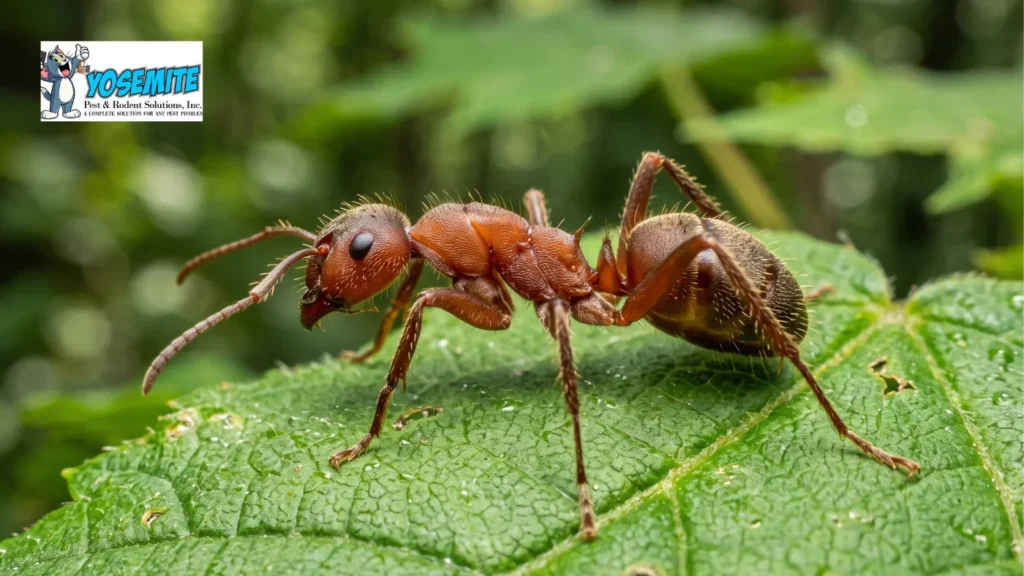
Carpenter ants are large, usually black or red, and they build their nests inside wood. They do not eat wood the way termites do. Instead, they tunnel through it to create galleries for their colonies. Over time, this weakens wooden beams, window frames, and door frames. If you see sawdust-like material near wooden surfaces, carpenter ants may be the cause.

How to get rid of sugar ants?

Sugar ants are small and light brown. They are drawn to anything sweet. Spilled juice, open candy, or even a sticky jar lid is enough to bring them in. They are mostly a kitchen problem and tend to trail along countertops and cabinet edges.

Fire Ants

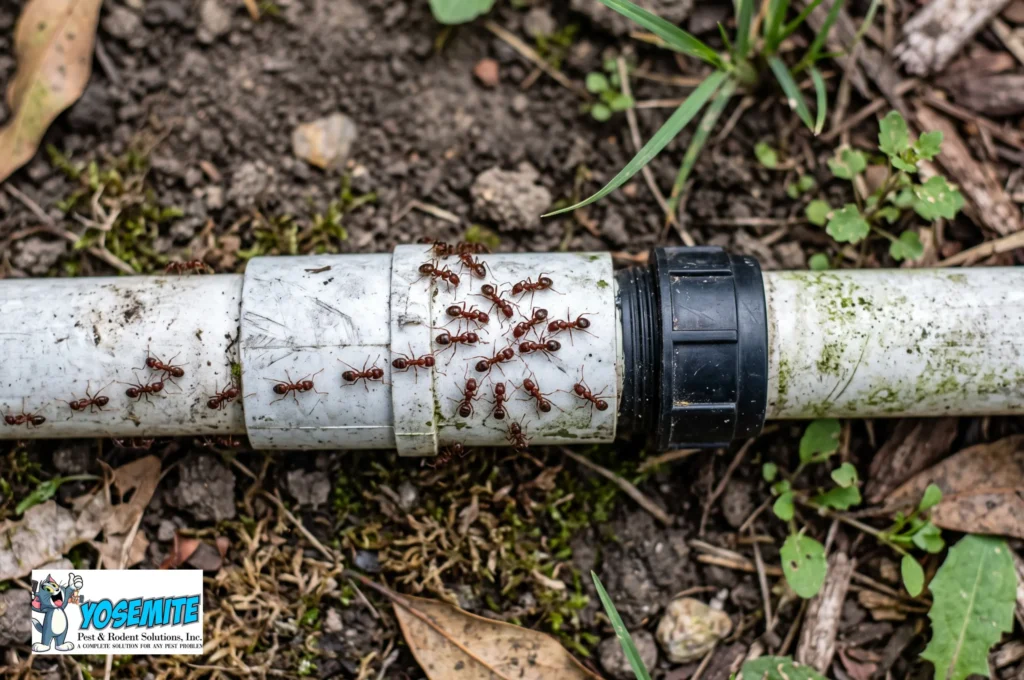
Fire ants are reddish-brown and known for their painful sting. They typically build mound nests outdoors, but they enter homes through cracks in search of food and moisture. A fire ant sting can cause swelling, itching, and in rare cases, a severe allergic reaction. Children and pets are especially at risk.

Odorous House Ants

These ants are small and dark brown. When you crush them, they release a smell similar to rotten coconut. They prefer sweet and greasy foods and are commonly found in walls, under floors, and near heaters. They move their nests frequently, which makes them harder to eliminate than other species.

What Attracts Ants and How to Get Rid of Ants in the House?

Understanding what draws ants inside helps you remove those triggers. Leftover food on counters is the most common cause. Even a small amount of grease or sugar residue can signal ants from outside. Dirty dishes sitting in the sink overnight are another major attractant.

Moisture is equally important. Leaking pipes, damp basements, and humid bathrooms create the perfect environment for ants to thrive. They also enter through gaps around windows, doors, and foundations. Pet food bowls left out all day are another overlooked entry point. Once ants find a reliable source, the colony sends more workers to collect it.

Signs of an Ant Infestation

Catching an ant problem early makes it easier to resolve. The most obvious sign is seeing ants in trails. They march in a single line from a food source back to their nest. If you see this pattern, a colony is already established nearby.

Look for small piles of sawdust near wooden surfaces, which points to carpenter ants. Check corners, baseboards, and behind appliances for tiny mounds of dirt or debris. A rustling sound inside your walls could also indicate a large nest. If you see winged ants inside your home, that is a serious sign. Winged ants are reproductive members of the colony, and their presence means the nest is mature and expanding.

How to Get Rid of Ants Naturally?

Natural methods work well for minor infestations. They are safe for children and pets, and they do not involve harsh chemicals. One of the most effective natural repellents is peppermint oil. Ants hate the strong scent. Mix ten to fifteen drops of peppermint oil with water and spray it along entry points, windowsills, and baseboards.

Cinnamon is another great option. Sprinkle it near ant trails and entry points. The strong smell disrupts their scent trails. Lemon juice works similarly. Spray it around door frames and windows to block ants from crossing. White vinegar diluted with water is also a reliable repellent. Wipe down counters and floors with it regularly to erase chemical trails left by scout ants.

Essential oils like tea tree and clove oil also deter ants effectively. Apply a few drops along cracks and entry points. These methods reduce ant activity without introducing toxins into your living space.

Home Remedies to Eliminate Ants

Some household items double as powerful ant control tools. These remedies target ants directly and can wipe out entire colonies when used correctly.

Borax and Sugar Bait

Borax mixed with sugar is one of the most effective DIY solutions. The sugar attracts ants, and the borax kills them once ingested. Mix one part borax with three parts powdered sugar and place small amounts near ant trails. Worker ants carry the bait back to the colony, which helps eliminate the source. This method takes a few days to work but can destroy an entire nest.

Diatomaceous Earth

Food-grade diatomaceous earth is a fine powder made from fossilized algae. It damages the outer shell of insects and causes them to dehydrate and die. Sprinkle it around entry points, along baseboards, and in areas where you have seen ant activity. It is non-toxic to humans and pets but deadly to ants. Make sure to reapply after rain or cleaning.

Salt Barriers

Table salt can be used to create barriers that ants are reluctant to cross. Spread a thick line of salt near doors, windowsills, and cracks in walls. While it does not kill ants, it discourages them from entering certain areas. It works best as a temporary deterrent while you address the root cause of the problem.

Chemical Solutions for Severe Infestations

When natural remedies are not enough, chemical solutions can provide faster results. Ant baits available at hardware stores contain slow-acting insecticides. Ants carry the poison back to the nest, where it spreads through the colony. These baits are more effective than sprays because they target the source.

Gel baits work well for indoor infestations. Place them along trails and near entry points. Avoid spraying insecticides directly on ant trails before placing bait, as sprays can make ants avoid the area entirely. Perimeter sprays applied outside the home can create a chemical barrier that stops ants before they get inside. Always follow label instructions and keep chemical products away from children and food surfaces.

How to Find and Destroy Ant Nests?

Killing ants you see on the surface is only a short-term fix. The colony must be eliminated to solve the problem permanently. Start by following ant trails. Ants move in a line between their nest and food source. Trace the trail back to where they disappear, usually into a wall crack, under a cabinet, or outside near the foundation.

Once you locate the nest, treat it directly. For outdoor nests, pour boiling water into the mound. It kills a large number of ants instantly. Follow up with an ant-killing powder or liquid insecticide. For nests inside walls, use a bait system that allows ants to carry the poison inside. If the nest is deep in wood or a hard-to-reach area, professional treatment may be the safest option.

How to Get Rid of Ants Permanently?

Prevention is far easier than elimination. Start by sealing all entry points. Use caulk to fill cracks around windows, doors, and pipes. Weatherstripping on doors creates a tight seal that ants cannot pass through. Keep your kitchen clean and dry. Wipe counters after cooking, store food in airtight containers, and empty trash cans regularly.

Fix leaky pipes and reduce indoor humidity. Standing water is a major draw for ants. Trim tree branches and shrubs that touch the exterior of your home, as they act as bridges for ants to enter. Avoid leaving pet food out overnight. Clean pet bowls daily. Apply a natural repellent spray around entry points every few weeks as a maintenance measure.

Dos and Don’ts When Dealing with Ants

Knowing what to do and what to avoid saves time and prevents the problem from getting worse. Do act quickly when you spot the first ant. Early action stops the colony from growing. Do clean up food spills immediately. Do use bait traps that let ants carry the poison back to the nest rather than just killing surface ants.

Do not use repellent sprays near bait traps, as the smell will deter ants from approaching the bait. Do not ignore a recurring infestation. If ants keep coming back after treatment, there is likely a hidden nest or ongoing attractant you have missed. Do not squash ants in large numbers, as some species release alarm chemicals that can cause the colony to scatter and regroup elsewhere.

When to Call a Professional?

Some ant infestations are beyond what DIY methods can handle. If you have tried multiple treatments and ants keep returning, it is time to bring in professionals. Carpenter ant infestations that have reached inside walls or structural wood require expert assessment. A professional can locate nests hidden in areas that are impossible to reach without proper tools.

Fire ant colonies near living areas also need professional attention, especially if children or pets are present. A trained pest control technician uses targeted treatments that are safe, effective, and long-lasting. They also assess your home for conditions that attract ants and provide a prevention plan to keep them away for good.

Conclusion

Ants are persistent, but they are not unbeatable. A combination of good hygiene, natural repellents, targeted baiting, and proper sealing can stop an infestation in its tracks. Identifying the ant species, finding the nest, and treating the source are the most important steps. Prevention keeps them from returning.

That said, some infestations need more than a home remedy. Yosemite Pest and Rodent Solutions brings years of hands-on experience to ant control. The team uses proven methods tailored to your specific ant species and home layout. From a single-room sugar ant problem to a full-scale carpenter ant invasion in your walls, Yosemite Pest and Rodent Solutions handles it with precision and care. Reach out today for a thorough inspection and a treatment plan that actually works.

FAQs

What is the fastest way to get rid of ants in the house?

Using borax and sugar bait is one of the fastest and most effective methods. It attracts ants quickly and eliminates the colony at the source within a few days. For instant results on the surface, a store-bought ant spray can be used, though it does not address the nest.

How do I get rid of ants permanently?

To get rid of ants permanently, you need to eliminate the nest, seal all entry points, and remove food and water sources that attract them. Regular maintenance such as cleaning, caulking gaps, and applying repellents will prevent them from returning.

Are sugar ants dangerous?

Sugar ants are not dangerous, but they contaminate food and surfaces. Their presence in large numbers can make a kitchen unusable. They are a sign that food storage or cleanliness needs attention.

How do I know if I have carpenter ants?

Look for large black ants near wooden structures. Small piles of frass, which looks like coarse sawdust, near walls or floors is a strong indicator. You might also hear faint rustling sounds inside walls. A professional inspection can confirm their presence.

Is diatomaceous earth safe to use around children and pets?

Food-grade diatomaceous earth is considered safe for humans and pets. However, avoid inhaling it during application. It works by physical contact with insects and does not rely on chemical toxins, making it one of the safest options for indoor use.

The Ultimate Guide on How to Get Rid of Mice in the House

mice pest control

Mice are among the most common household pests in the United States. They do not enter your home by accident. They come in because your home offers them three things they need: food, warmth, and shelter. Once they find a way inside, they settle in fast and start breeding even faster. A single female mouse can produce up to 35 offspring per year. That means a small problem can turn into a serious infestation in just a few weeks.

Mice are incredibly resourceful. They can squeeze through a gap as small as a dime. They travel along walls, inside cabinets, behind appliances, and through wall voids without being seen. By the time most homeowners realize there is a problem, the mice have already built nests and established pathways throughout the home.

Signs You Have Mice in Your House and How to Get Rid of Mice in Walls

Droppings and Urine Smell

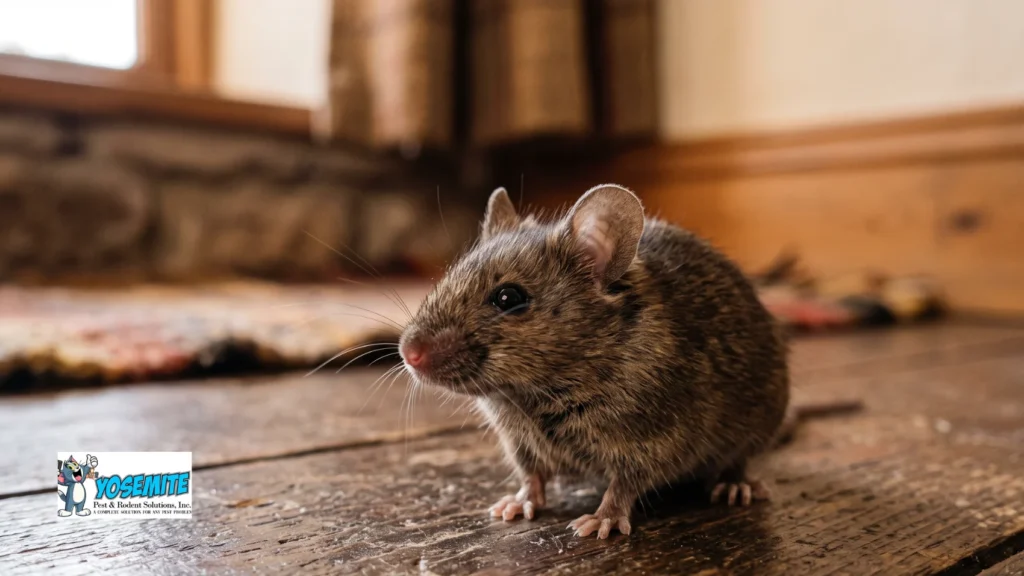
Mouse droppings are one of the first and clearest signs of an infestation. They are small, dark, and shaped like a grain of rice. You will typically find them near food sources, along baseboards, inside cabinets, or under sinks. Fresh droppings are moist and dark. Older ones turn gray and crumble easily.

Along with droppings, mice leave behind a strong musky urine odor. In enclosed spaces like cabinets or closets, this smell becomes concentrated and hard to ignore. If you notice a persistent ammonia-like odor that you cannot trace to another source, mice are likely the cause.

Scratching Noises in Walls or Ceilings

Mice are mostly active at night. If you hear scratching, scurrying, or gnawing sounds coming from your walls, ceilings, or floors after dark, that is a strong indicator of rodent activity. These sounds are especially common in attics and basements where mice nest and travel freely.

Gnawed Wires, Furniture, or Food Packaging

Mice have to chew constantly to keep their teeth from overgrowing. They gnaw on almost anything, including electrical wires, wood, insulation, cardboard, and plastic food containers. Chewed wires are a serious fire hazard. If you notice bite marks on food packaging or unexplained damage around your home, mice may be responsible.

Nesting Materials and Tracks

Mice build nests using shredded paper, fabric, insulation, and other soft materials. You may find these nests tucked away in drawers, behind appliances, or inside walls. Mice also leave oily rub marks along baseboards and walls where they regularly travel. In dusty areas, you may even spot tiny footprints confirming their presence.

What Attracts Mice to Your Home

Food Sources and Poor Storage

Mice are opportunistic feeders. They eat grains, seeds, fruits, meats, and sweets. Open food containers, crumbs on counters, and pet food left out overnight are all major attractions. Even birdseed stored in your garage can draw mice inside. Proper food storage is the first line of defense against an infestation.

Clutter and Hiding Spots

Mice thrive in cluttered environments. Stacks of boxes, piles of newspapers, unused furniture, and crowded storage areas give them plenty of places to hide and nest. A garage or basement full of clutter is essentially an open invitation. Keeping these areas organized and clean removes the hiding spots mice depend on.

Entry Points and Gaps

Your home has more entry points than you might think. Gaps around pipes, cracks in the foundation, spaces under doors, and holes in walls all serve as doorways for mice. Even small openings around utility lines can be enough for a mouse to squeeze through. Without addressing these entry points, any other control method will only offer temporary relief.

How to Get Rid of Mice in Your House

Natural Remedies

Peppermint Oil and Other Scents

Mice have an extremely sensitive sense of smell. Strong scents like peppermint oil, clove oil, and cayenne pepper can act as deterrents. Soak cotton balls in peppermint oil and place them near entry points, in cabinets, and along baseboards. While natural remedies work best as supplementary measures, they can help make your home less attractive to mice.

Other natural deterrents include white vinegar, ammonia, and used kitty litter placed near mouse-prone areas. These scents mimic predator activity and can discourage mice from settling in a particular spot. Keep in mind that natural remedies can create sanitary hazards for an active infestation. They work best as a preventive layer on top of other control methods.

DIY Traps and Home Solutions

You can create simple DIY traps using a bucket, a ramp, and a can coated with peanut butter. Mice walk up the ramp, reach for the bait on the can, and fall into the bucket. This method is effective for catching multiple mice without using poison. Another option is placing used dryer sheets in areas where mice are active. The strong scent temporarily repels them, although it will not solve an existing infestation. While it can not solve your problem fully and can also create sanitary hazards.

Traps and Baits

Snap Traps

Snap traps are one of the most effective and time-tested tools for catching mice. They work quickly and are reusable. Place them along walls, behind appliances, and near areas where you have spotted droppings. Set them perpendicular to the wall with the bait end closest to the wall, since mice tend to travel along edges. Check and reset them daily for best results. Whereas can also create sanitary hazards.

Glue Traps

Glue traps catch mice on a sticky surface. They are easy to use and require no setup beyond placement. However, they do not kill mice instantly, which raises ethical concerns for some users. They are also ineffective in dusty environments or areas where the glue can dry out quickly and can also create sanitary hazards. Use them in enclosed spaces where they will not lose their stickiness. 

Electronic Traps

Electronic traps deliver a high-voltage shock that kills mice instantly and humanely. They are one of the cleaner options since you do not have to handle the dead mouse directly. Simply empty the trap into the trash. These traps are reusable, battery-operated, and effective for ongoing control. They tend to cost more upfront but offer good long-term value. However can also create sanitary hazards.

Best Bait Options

Peanut butter is the most effective bait for mice. Its strong smell attracts them quickly. Chocolate, hazelnut spread, nesting materials like cotton or yarn, and small amounts of bacon are also excellent options. Avoid using large amounts of bait, as mice can steal it without triggering the trap. A pea-sized amount of peanut butter is usually enough.

Using Rodenticides (Poison)

When to Use Them

Rodenticides are chemical baits designed to kill mice after they consume them. They are best used when traps are not providing sufficient control or when the infestation is large. Place rodenticide bait stations in areas inaccessible to children and pets, such as inside walls, under crawl spaces, or in secured bait boxes.

Safety Precautions

Rodenticides carry significant risks. Secondary poisoning can occur when a pet or predatory bird eats a poisoned mouse. Always use tamper-resistant bait stations and follow the product label instructions precisely. Keep children and pets away from treated areas and It can also create sanitary hazards. After using rodenticides, monitor for dead mice and dispose of them promptly while wearing gloves to avoid contact with potentially contaminated carcasses.

Professional Pest Control

When to Call Experts for How to Get Rid of Mice Naturally

If you are searching for “how to get rid of mice permanently” You should call a pest control professional when you have a large or recurring infestation, when DIY methods have not worked after two weeks, or when you suspect mice are living inside walls or in areas you cannot access. Professional technicians have access to commercial-grade products, specialized equipment, and the expertise to identify and treat infestations that homeowners often miss.

What to Expect

A professional pest control inspection typically includes a thorough assessment of your home to identify entry points, nesting areas, and the extent of the infestation. The technician will then recommend a treatment plan that may include trapping, baiting, exclusion work, and follow-up visits. Most professional treatments come with a warranty, meaning the pest control company will return if the problem persists.

How to Find and Seal Entry Points

Common Entry Areas

Mice most commonly enter through gaps around pipes and utility lines, cracks in the foundation, spaces under exterior doors, holes in siding or rooflines, and gaps around windows. Check your garage door seal as well, since even a small gap at the bottom is enough for a mouse to enter. Inspect your home thoroughly from the outside, paying attention to any opening larger than a quarter of an inch.

Materials to Block Holes and Cracks

Steel wool is one of the most effective materials for blocking mouse entry points because mice cannot chew through it. Pack it tightly into gaps and secure it with caulk. For larger holes, use hardware cloth or metal sheeting. Expanding foam alone is not enough, as mice can gnaw through it. Use a combination of steel wool and caulk for gaps around pipes and wires. For gaps under doors, install heavy-duty door sweeps made of metal rather than rubber, which mice can chew through.

Best Places to Set Traps for Maximum Effectiveness

Kitchen and Pantry

The kitchen is the most common area for mouse activity because of the food access it offers. Place traps behind the refrigerator, under the sink, along the back wall of pantry shelves, and behind the stove. Set traps perpendicular to the wall with the trigger end facing the baseboard. Mice travel along walls, so this positioning dramatically increases your catch rate.

Walls and Corners

Mice prefer to run along walls and in corners rather than crossing open spaces. Place traps in corners where two walls meet. Set them along the base of walls in hallways, laundry rooms, and utility areas. If you hear scratching inside walls, place traps at the entry and exit points of wall voids, such as where pipes enter from outside.

Attics and Basements

Attics and basements are prime nesting areas because they are dark, quiet, and rarely disturbed. Set traps along the perimeter of these spaces, near any insulation, and around any pipes or beams that mice might use as pathways. Check these traps regularly since activity in attics and basements is easy to overlook.

Common Mistakes to Avoid When Dealing with Mice

Using the Wrong Traps

Many homeowners set too few traps or place them in the wrong locations. One or two traps in a large space will not make a dent in an infestation. Use multiple traps placed strategically along travel routes. Avoid placing traps in open areas away from walls where mice are unlikely to encounter them.

Not Sealing Entry Points

Trapping mice without sealing entry points is like bailing out a sinking boat without plugging the hole. New mice will keep entering as fast as you catch the existing ones. Always combine trapping with a thorough exclusion effort to break the cycle of reinfestation.

Ignoring Early Signs

One dropping or one scratching sound is easy to dismiss. Most homeowners wait until the problem becomes obvious before taking action. By then, the infestation is already established and harder to eliminate. Take early signs seriously and act immediately. A small investment of time and effort early on saves significant cost and frustration later.

DIY vs Professional Pest Control: What’s Better?

Cost Comparison

DIY mouse control is cheaper upfront. A pack of snap traps costs a few dollars, and a bottle of peppermint oil is inexpensive. However, if the infestation grows because DIY methods were insufficient, the eventual cost of professional treatment will be much higher. Professional pest control services typically range from $150 to $500 depending on the size of the home and severity of the infestation, but many offer satisfaction guarantees that protect your investment.

Effectiveness

DIY methods work well for minor infestations where only one or two mice are involved. For larger infestations or situations where mice are living inside walls or in areas you cannot access, professional treatment is far more effective. Professionals identify the full scope of the problem, use commercial-grade products, and apply treatments in a systematic way that covers all active areas.

Long-Term Results

DIY control often addresses the symptoms without solving the underlying cause. Professional pest control companies provide not only treatment but also exclusion work and prevention advice that delivers lasting results. Many reputable companies offer ongoing service plans that keep your home protected year-round. If you want a permanent solution rather than a temporary fix, professional intervention is the smarter long-term choice.

The Bottom Line

Mice are persistent, resourceful, and capable of causing serious harm to your home and your family’s health. Knowing the signs of an infestation, understanding what draws them in, and using the right combination of control methods puts you in a much stronger position. You can handle minor problems with snap traps, proper food storage, and entry point sealing. But when the infestation is large, recurring, or located inside walls and other inaccessible spaces, professional help is the smart move.

Yosemite Pest and Rodent Solutions Inc. brings the expertise, tools, and commitment needed to eliminate mice for good. We do not just treat the surface problem. We identify the root causes, seal entry points, and develop a plan that protects your home over the long term. Our experienced technicians serve homeowners throughout the area with fast response times and guaranteed results. Stop living with the stress of a mouse problem. Reach out to Yosemite Pest and Rodent Solutions today and let us get your home back to being safe, clean, and rodent-free.

FAQs Based on Mice Pest Control

How do I know if I have one mouse or many?

If you are finding multiple droppings in different areas of your home, hearing sounds in more than one location, or noticing damage in several spots, you likely have more than one mouse. A single mouse tends to stay in one area. Multiple mice spread out across the home quickly.

What is the fastest way to get rid of mice naturally?

Peppermint oil, steel wool exclusion, and snap traps baited with peanut butter form the most effective natural approach. However, natural methods work best when combined with proper sealing of entry points and elimination of food sources.

How long does it take to get rid of mice?

With consistent trapping and proper exclusion, a minor infestation can be resolved in one to two weeks. Larger infestations may take four to six weeks or longer, especially if mice are nesting inside walls or in hard-to-reach areas. Professional treatment typically delivers faster results.

Can mice come back after treatment?

Yes, they can. If entry points are not sealed and food sources are not eliminated, new mice can move in after an infestation is cleared. Ongoing prevention is essential to keeping your home rodent-free long-term.

Is it safe to use poison with pets or children at home?

Rodenticides pose significant risks to children and pets. If you use them, always place them inside tamper-resistant bait stations in areas that children and pets cannot access. For homes with young children or pets, traps are generally the safer option. Consult a professional if you are unsure which method is appropriate for your situation.

Do ultrasonic repellers work on mice?

The evidence on ultrasonic repellers is mixed at best. Some studies suggest mice become accustomed to the sound over time, making repellers ineffective for ongoing control. They are not recommended as a standalone solution. Physical trapping and exclusion remain the most reliable methods.

Why Pest Control Pricing Looks Different in 2026

Why Pest Control Pricing Looks Different in 2026

If you have owned a home for more than a few years, you have probably noticed that pest control does not cost what it used to. That is a conversation Yosemite Pest & Rodent Solutions has regularly with Northern Illinois homeowners who want to understand not just the price, but the reason behind it.

In 2026, nearly every home service has been affected by rising costs, tighter regulations, and a smaller labor pool. Pest control is no exception. Local providers like us have seen firsthand how changes in materials, training requirements, and compliance standards shape what responsible service looks like today.

What has changed is not just the number on the invoice, but what that number actually covers. Today’s pricing reflects a much higher standard of care, safety, and long-term prevention than what was common even five or ten years ago.

Inflation Has Changed the Cost of Doing the Job Right

Inflation impacts pest control in ways most homeowners never see. Products, protective equipment, vehicles, fuel, and insurance have all increased in cost. So have business essentials like licensing, continuing education, and compliance reporting.

In 2026, professional-grade pest control products are more targeted and environmentally responsible than older formulations. That is good for your home, your family, and local ecosystems. It also means they are more expensive to manufacture and apply correctly. Proper application takes time, training, and precision, not just a quick spray and a promise.

When pricing increases, it is often tied to these behind-the-scenes costs that ensure treatments are effective, legal, and safe.

Labor Shortages Have Raised the Value of Skilled Technicians

One of the biggest drivers of pricing in 2026 is labor. Pest control is not entry-level work. It requires training, certification, experience, and a real understanding of how pests behave in different structures and seasons.

Qualified technicians are harder to find and harder to replace. Companies that invest in their teams pay for ongoing education, competitive wages, and retention. That investment shows up in pricing, but it also shows up in better outcomes, fewer callbacks, and more accurate diagnoses.

A lower price often means rushed appointments, rotating technicians, or undertrained staff. A higher price usually reflects experience and accountability.

Regulations Have Tightened Across the Industry

Modern pest control operates under stricter federal, state, and local regulations than ever before. These rules are designed to protect homeowners, pets, wildlife, and water sources.

Compliance requires documentation, approved treatment methods, proper storage, and licensed application. In 2026, cutting corners is not just unethical, it is illegal. Reputable companies factor compliance into their pricing because it is part of doing the job responsibly.

If a quote seems dramatically lower than others, it is worth asking how regulatory requirements are being met.

Why “Cheap” Quotes Often Cost More Later?

Low-cost pest control often looks appealing at first. The problem is that pests do not respond well to shortcuts. Incomplete inspections, surface-level treatments, and weak warranties can lead to repeat infestations that cost more over time.

A cheap quote may only address what is visible, not the source of the problem. It may exclude follow-up care, warranty coverage, or prevention measures that stop pests from returning.

In many cases, homeowners end up paying twice. Once for the low-priced service that did not solve the issue, and again for a comprehensive treatment that should have been done from the start.

In 2026, pest control pricing is less about paying more and more about paying smarter.

How Pest Control Pricing Actually Works?

Pest control pricing can feel confusing because it is not built like a simple menu. There is no flat rate that applies to every home, every pest, or every situation. In 2026, pricing is structured around risk, prevention, and long-term results, not just the cost of showing up.

Understanding how pricing works makes it much easier to compare quotes and avoid services that sound good but fall short.

One-Time Treatments vs Ongoing Service

A one-time treatment is exactly what it sounds like. A technician treats the current problem, applies product where needed, and provides a limited warranty based on the pest and severity of the issue. This option can work well for isolated problems like ants, spiders, or seasonal invaders when the infestation is minor and the structure is in good condition.

Ongoing service is designed for prevention and control over time. This typically includes an initial, more intensive treatment followed by scheduled exterior services throughout the year. For rodents and recurring pests, ongoing service often includes monitoring devices, exclusion strategies, and regular adjustments based on activity levels.

The key difference is scope. One-time treatments focus on solving today’s problem. Ongoing service focuses on stopping the next one before it starts.

Neither option is automatically better. The right choice depends on the pest, the home, and how much risk you are willing to manage yourself.

Warranties Explained in Plain Language

A warranty in pest control is not a lifetime guarantee. It is a defined window of time during which the company agrees to re-treat at no additional cost if the same pest returns under the same conditions.

In 2026, warranties commonly range from 20 days to 180 days depending on the pest, treatment type, and level of service. Longer warranties usually cost more because they require ongoing accountability and follow-up capacity.

It is important to understand what the warranty covers and what it does not. Most warranties apply only to the specific pest treated. New infestations, different pests, or structural changes are typically excluded.

A longer warranty does not automatically mean better service. A clear, realistic warranty paired with proper treatment often provides more value than a long warranty attached to a rushed job.

Why Inspections Matter Before Numbers?

Any pest control quote given without an inspection is, at best, an estimate and, at worst, a guess. Homes vary widely in size, construction, access points, and pest pressure. Even two houses on the same street can require very different approaches.

An in-home inspection allows the technician to identify entry points, nesting areas, moisture issues, and structural factors that influence treatment. It also helps determine whether the issue is active, historical, or seasonal.

Pricing based on an inspection is not about upselling. It is about accuracy. Without seeing the home, it is impossible to determine the right treatment, warranty length, or level of ongoing service needed.

In 2026, the most reliable pest control pricing starts with someone walking your property, asking questions, and explaining what they see before quoting a number.

Detailed Price Breakdown for Northern Illinois

Pest control pricing in Northern Illinois reflects more than just the pest involved. Weather patterns, seasonal pressure, housing styles, and rodent activity all play a role. The numbers below represent realistic 2026 pricing ranges for professional service in this region, with the understanding that inspections determine final costs.

Mice and Rats

Rodent problems are among the most complex and variable issues homeowners face. Mice and rats are persistent, adaptable, and capable of causing damage well beyond what is immediately visible.

One-Time Treatment Pricing

A one-time rodent treatment in Northern Illinois typically ranges from $325 to $700, with warranties ranging from 30 days up to 180 days.

Pricing varies based on:

  • The size and layout of the home
  • The severity and duration of the infestation
  • Access points and nesting locations
  • The length of warranty provided

This type of service focuses on addressing the current infestation. It may include interior treatment, targeted trapping, and limited exterior prevention. One-time treatments can be effective for early-stage rodent issues or isolated incidents.

Initial Plus Ongoing Service Model

For established rodent problems, most homeowners benefit from an initial treatment followed by ongoing service.

The initial service typically ranges from $800 to $2,000. This phase often includes:

  • Interior inspection and treatment
  • Installation of exterior rodent devices
  • Identification of entry points and pressure areas
  • Strategic placement of monitoring tools

After the initial service, ongoing exterior rodent maintenance averages $600 to $800 per year. This includes regular servicing of devices, monitoring activity, and making seasonal adjustments.

This model focuses on long-term control, not just removal. Rodents are rarely a one-and-done issue without ongoing prevention.

Common Invading Pests (Ants, Spiders, and Similar Insects)

Common household pests such as ants and spiders are usually addressed with one-time treatments when infestations are limited.

In 2026, one-time service for these pests generally ranges from $180 to $475, with warranties between 30 and 180 days.

Pricing depends on:

  • Home size
  • Infestation severity
  • Treatment areas required
  • Warranty length

These treatments typically include interior and exterior applications designed to eliminate active pests and reduce re-entry.

Occasional and Seasonal Pests

Seasonal invaders tend to surge during specific times of the year, often catching homeowners off guard.

Boxelder Bugs, Stink Bugs, Clover Mites, and Springtails

Most seasonal pests require a single, targeted treatment. In Northern  Illinois, the initial cost for these services generally ranges from $275 to $625, with warranties from 20 days to 180 days.

Ongoing regular service for seasonal pest prevention averages around $900 per year, depending on property size and exposure.

These pests often enter through small cracks and gaps, making exterior treatment and timing especially important.

Bed Bugs: Clear Expectations and Limits

Bed bugs require a very different approach. Treatment is intensive, time-consuming, and highly sensitive to preparation and follow-through.

In 2026, professional bed bug treatment in Northern Illinois typically ranges from $1,500 to $4,000, with a limited warranty of approximately 30 days.

This pricing reflects:

  • Multiple treatment steps
  • Specialized products and equipment
  • Detailed inspections
  • The high risk of reintroduction

Bed bug warranties are shorter because reinfestation is often caused by external factors outside the provider’s control.

What Ongoing Service Really Includes

Ongoing pest control service is not just a recurring visit. It is a prevention strategy.

In Northern Illinois, ongoing service commonly includes:

  • Scheduled exterior treatments
  • Monitoring and adjustment based on pest activity
  • Seasonal pests prevention measures
  • Early detection before infestations escalate
  • Warranty-backed re-treatment when needed

For many homeowners, ongoing service provides peace of mind and cost stability by reducing emergency treatments and surprise infestations.

In 2026, the value of pest control is not measured by how often a technician shows up, but by how rarely you have to think about pests at all.

What Factors Change Pest Control Pricing the Most?

No two homes are exactly alike, and neither are pest problems. In Northern Illinois, pricing differences are usually driven by a small set of core factors. Understanding these variables makes it easier to evaluate quotes and avoid comparing services that are not actually equivalent.

Home Size and Construction

The size of a home affects more than square footage. Larger homes typically have more entry points, more exterior surface area, and more places for pests to hide. That means more time, more product, and more monitoring.

Construction style also plays a major role. Older homes often have gaps, aging materials, and complex layouts that make treatment more involved. Crawl spaces, finished basements, attached garages, and multi-level rooflines all increase inspection and treatment time.

Newer homes are not immune either. Certain modern construction materials can create hidden voids where pests travel unnoticed. The structure determines how pests move and how technicians must respond.

Severity and Access Points

An early-stage infestation is usually faster and less expensive to resolve than a long-standing one. Severity affects pricing because it determines how aggressive the treatment must be.

Access points are equally important. A single visible entry is very different from multiple hidden pathways behind walls, under siding, or through utility lines. Rodents and insects rarely enter through obvious openings alone.

When access points are widespread or difficult to reach, treatment becomes more complex and time-intensive. This often explains why two homes with the same pest can receive very different quotes.

How to Budget Realistically for Pest Control in 2026?

Pest control is often treated as an emergency expense, something homeowners deal with only when a problem becomes impossible to ignore. In 2026, the most cost-effective approach is planning ahead and budgeting with prevention in mind.

Understanding how costs break down over time helps avoid surprise expenses and rushed decisions.

One-Time Treatment vs Annual Planning

One-time treatments can make sense for minor or isolated issues. They are usually less expensive up front and can resolve problems quickly when conditions are favorable.

However, repeated one-time treatments often add up to more than an annual service plan. When pests return seasonally or access points are not fully addressed, homeowners may find themselves paying multiple times in a single year.

Annual planning spreads costs more evenly and focuses on reducing the likelihood of future infestations. For homes with recurring issues or high exposure, this approach often provides better value and fewer disruptions.

When Prevention Saves Money?

Preventive service targets pests before they become visible. Exterior treatments, monitoring devices, and seasonal adjustments help stop infestations from taking hold.

Preventing rodents from entering a home is typically far less expensive than removing them once they have established nesting areas. The same is true for insects that multiply quickly when left unchecked.

In 2026, prevention is not an upsell. It is a cost-control strategy.

What to Expect for Annual Pest Control Costs

While every home is different, many Northern Illinois homeowners should expect to budget anywhere from several hundred to just under a thousand dollars per year for comprehensive pest prevention, depending on property size, pest pressure, and service scope.

Rodent-heavy properties, homes near wooded areas, and older structures often fall toward the higher end of that range. Smaller homes with limited exposure may fall lower.

The goal is not to eliminate all risk, but to manage it proactively.

Northern Illinois Pest Control in 2026: What to Do Next

Pest control pricing in 2026 can feel complicated, but it does not have to be confusing. For homeowners in Northern Illinois, the most important step is working with a provider that understands local conditions and explains pricing clearly before any work begins.

At Yosemite Pest & Rodent Solutions, pricing is built around inspections, not assumptions. Every home is different, and the only way to recommend the right level of service is to see what is actually happening on the property. That approach helps avoid unnecessary treatments and ensures pricing reflects real conditions, not generic averages.

Get Started With Our Complimentary Inspection Today

The most reliable way to understand pest control pricing for your home is through an in-home inspection and consultation. This allows our team at Yosemite Pest & Rodent Solutions to assess activity, identify access points, and recommend the most effective solution based on your needs and budget.

In 2026, smart pest control decisions are informed, local, and proactive. With clear pricing, qualified technicians, and a prevention-focused approach, Yosemite Pest & Rodent Solutions helps Northern Illinois homeowners protect their homes with confidence.

For more information or to schedule an inspection, homeowners can contact us directly at 630-779-7674 or visit yosemite-pest.com/.

Sources

National Research Council (US) Committee on Agricultural Land Use and Wildlife Resources. Land Use and Wildlife Resources. National Academies Press, 1970, Chapter 6, “Pesticides and Wildlife.” National Center for Biotechnology Information, www.ncbi.nlm.nih.gov/books/NBK208752/.

Holiday Decor, Firewood, and Storage Boxes: How to Prevent Pests From Hitching a Ride Into Your Home

Rodent Pest Control Near Me

The holidays bring warmth, tradition, and a lot of extra stuff moving in and out of your home. Decorations come down from the attic. Firewood gets stacked near the house. Storage boxes appear from basements, garages, and sheds. Unfortunately, these same holiday routines create perfect opportunities for pests to hitch a ride indoors.

In Illinois, colder weather pushes insects and rodents to look for shelter. When seasonal items are stored improperly or brought inside without inspection, pests come along unnoticed. By the time homeowners realize what happened, they are already searching for pest and rodent control near me to deal with an unexpected problem.

At Yosemite Pest & Rodent Solutions, we know seasonal prevention is one of the most effective ways to protect your home during the holidays. Knowing where pests hide and how they travel makes all the difference.

Why Holiday Items Attract Illinois Pests

Illinois pests are experts at survival. As temperatures drop, they seek warmth, darkness, and protection from the elements. Storage boxes, décor bins, and firewood stacks provide ideal hiding spots.

Pests often nest in undisturbed areas for months. When those items are finally moved indoors for the holidays, the pests move with them. This is why seasonal prevention is so important before decorations and supplies cross the threshold of your home.

Pest prevention during the holidays is less about reacting and more about avoiding the problem entirely.

Holiday Decor and Storage Boxes as Pest Pathways

Holiday decor is often stored for long periods of time. Cardboard boxes, plastic totes, and fabric decorations are especially attractive to insects and rodents.

Pests commonly hide in:

  • Cardboard boxes stored in basements, attics, or garages
  • Artificial trees and wreaths kept in storage bags
  • Fabric items like stockings, tree skirts, and table linens

Before bringing decorations inside, inspect containers carefully. Look for droppings, chew marks, webbing, or live insects. Transferring items directly from storage to living spaces without inspection increases the risk of an infestation.

This is one of the most overlooked areas of pest prevention and a common reason homeowners later need pest control from Yosemite Pest during the winter months.

Firewood and Outdoor Storage Risks

Firewood is another major source of holiday pest problems. Woodpiles attract insects and rodents seeking warmth and shelter, especially during Illinois winters.

Bringing firewood indoors without inspection allows pests to escape directly into your home. Even short-term indoor storage can be enough for pests to spread.

To reduce risk:

  • Store firewood at least several feet away from your home
  • Bring in only what you plan to burn immediately
  • Shake and inspect logs before bringing them inside

Seasonal prevention steps like these help limit exposure, but they are not foolproof. If pests are already active around your home, professional pest control may be necessary.

Storage Areas That Invite Pest Activity

Garages, sheds, attics, and basements are prime locations for pest activity during the holidays. These spaces are often cluttered and rarely checked, making them ideal hiding spots for Illinois pests.

Rodents and insects take advantage of:

  • Stacked boxes and unused décor
  • Gaps around doors and utility lines
  • Warmth from nearby living spaces

Routine inspections and decluttering support pest prevention, especially during high-traffic holiday months. When pests are already present, homeowners often begin searching for pest and rodent control near me at Yosemite Pest to stop the issue before it spreads indoors.

Seasonal Prevention Tips That Actually Work

Seasonal prevention does not require major renovations, but it does require consistency. A few proactive steps can significantly reduce the chances of pests hitching a ride into your home.

Effective pest prevention includes:

  • Using sealed plastic containers instead of cardboard
  • Cleaning decorations before storing them
  • Inspecting items before bringing them inside
  • Keeping storage areas organized and well-lit

These habits reduce hiding opportunities for pests and make signs of activity easier to spot. Prevention works best when paired with routine pest control inspections, especially during seasonal transitions.

When Prevention Is Not Enough

Even with strong seasonal prevention efforts, pests can still find their way indoors. Illinois pests are persistent, and once inside, they can multiply quickly.

Signs that professional pest control may be needed include ongoing sightings, droppings, damaged items, or unexplained noises. At this point, scheduling an inspection rather than relying on DIY methods helps prevent larger infestations.

Homeowners often reach this stage after the holidays, when decorations are put away and pest activity becomes more noticeable. Searching for pest and rodent control near me connects them with local professionals like Yosemite Pest who understand seasonal pest behavior.

How Yosemite Pest & Rodent Solutions Supports Holiday Pest Prevention

Yosemite Pest & Rodent Solutions helps Illinois homeowners protect their homes during the busiest seasons of the year. Our team understands how holiday routines intersect with pest behavior and focuses on prevention as much as treatment.

We provide:

  • Seasonal inspections focused on storage and entry points
  • Targeted pest control solutions for winter conditions
  • Guidance on long-term pest prevention strategies

Scheduling service before or during the holiday season helps reduce surprises and keeps your home comfortable and pest-free.

Protect Your Home This Holiday Season

Holiday décor, firewood, and storage boxes should bring joy, not pests. Taking seasonal prevention seriously can save time, stress, and costly repairs.

If you want added peace of mind this holiday season, visiting our site to schedule an appointment is a smart next step. Yosemite Pest & Rodent Solutions is here to help homeowners. Contact us today for next steps to keep your home free of seasonal pests long after the holiday season ends.

Frequently Asked Questions About Holiday Pest Prevention in Illinois

What pests are most likely to hitch a ride indoors during Illinois winters?

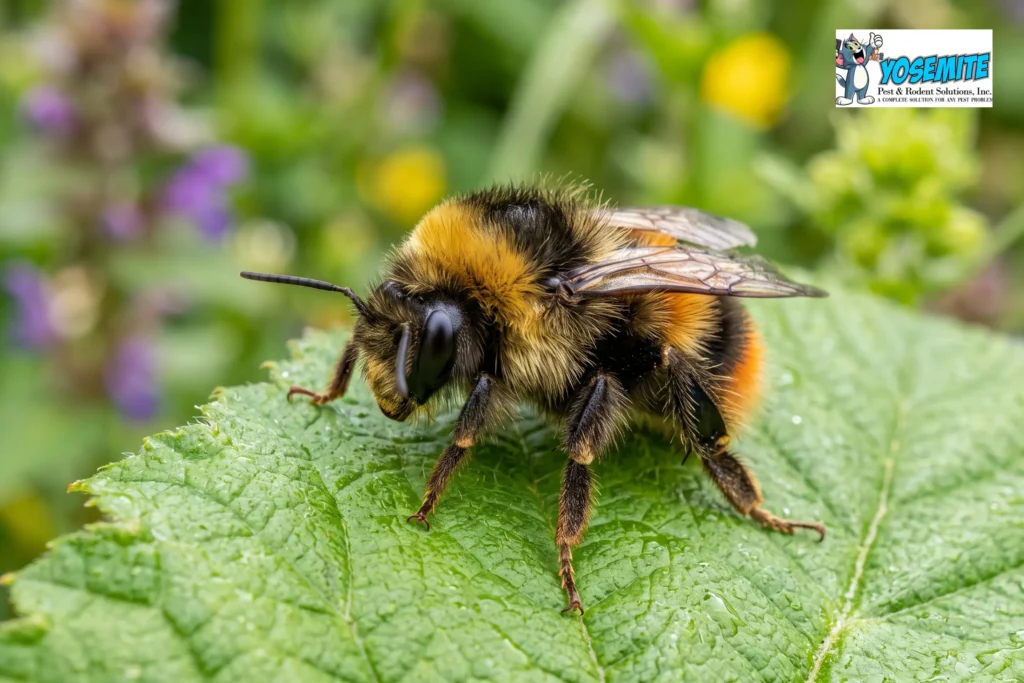
In Illinois, the most common holiday hitchhikers include mice, spiders, boxelder bugs, stink bugs, and overwintering beetles. These pests seek warmth and protected spaces as outdoor temperatures drop. Many of them become active indoors even though they appear dormant while in storage.

Why do cardboard boxes attract pests more than plastic containers?

Cardboard absorbs moisture, holds scent, and provides an easy material for nesting and chewing. In Illinois basements and garages, fluctuating humidity makes cardboard especially appealing to insects and rodents. Sealed plastic containers offer fewer hiding opportunities and support better pest prevention year-round.

Can pests survive in stored decorations for months?

Yes. Many Illinois pests can survive long periods without food in cool, undisturbed environments. Some insects enter a dormant state known as diapause, which allows them to remain inactive until conditions improve. Bringing stored items indoors provides warmth that reactivates them.

Is it risky to store firewood inside during winter?

Storing firewood indoors for extended periods increases the chance of releasing insects or rodents into your home. In Illinois, wood-boring insects and spiders commonly shelter in stacked firewood. It is best to bring in only what you plan to burn immediately and keep outdoor woodpiles away from the home.

Do pests come from clean homes too?

Yes. Pest activity is not a cleanliness issue. Seasonal behavior drives many infestations. Even well-maintained homes can experience problems when pests enter through décor, storage items, or small exterior openings. This is why seasonal prevention matters regardless of household habits.

When should I consider professional help during the holidays?

If you notice recurring pest activity, damage to stored items, or signs of rodents after bringing decorations indoors, it may be time to schedule an inspection with Yosemite Pest. Many homeowners begin searching for pest and rodent control near me when prevention steps no longer feel sufficient. Early professional support helps prevent long-term issues.

Does winter pest control really make a difference?

Yes. Winter pest control is often more effective because pests are concentrated indoors or near structures. Addressing problems during this season can reduce spring infestations and support long-term pest prevention across the entire year.

Winter Home Invaders in Illinois: Why Rodents Move In and How to Keep Them Out

Pest and Rodent Control

Winter in Illinois brings snow-covered lawns, freezing temperatures, and sealed-up homes. While homeowners are settling in for the season, rodents are doing the exact same thing. Unfortunately, they are often choosing your house.

As outdoor food disappears and temperatures drop, mice and rats look for warm, protected spaces to survive the winter. Homes offer everything they need: heat, shelter, nesting materials, and easy access to food. This is why winter is one of the most active seasons for rodent infestations and why so many homeowners begin searching for rodent control near me once the scratching starts.

The good news is that winter rodent infestations are preventable when you know what to look for and when to act.

Why Rodents Infestations Become a Winter Problem in Illinois

Rodents do not hibernate. When the weather turns cold, they shift strategies. Instead of surviving outdoors, they move closer to people. Illinois winters are especially challenging for rodents due to prolonged cold snaps, snow cover, and frozen ground that limits access to food.

Once inside, rodents can reproduce quickly and remain hidden for months. What starts as a single mouse can quietly become a full infestation by mid-winter. This is why early action matters and why professional pest control near me searches spike as temperatures fall.

Signs Rodents Have Moved In

Rodents are experts at staying out of sight, but they leave behind clues. Homeowners often notice the signs before they ever see the animal.

Common indicators include:

  • Scratching, squeaking, or scurrying sounds in walls or ceilings, especially at night
  • Droppings in kitchens, pantries, basements, or garages
  • Chewed food packaging, insulation, or wiring
  • Nesting material made from paper, fabric, or cardboard

If you notice one sign, there are usually more you cannot see yet. That is often when homeowners decide it is time to look into rodent control near me like we offer here at Yosemite Pest, rather than waiting for the problem to grow.

How Rodents Get Inside Your Home

Mice and rats can squeeze through openings the size of a dime, and rats do not need much more space. As homes age and weather takes a toll, small vulnerabilities form around the exterior.

Rodents commonly enter through:

  • Cracks in foundations or siding
  • Gaps around utility lines and pipes
  • Worn weather stripping around doors and garage doors
  • Attic vents, crawl spaces, and roofline openings

Winter makes these rodent entry points even more attractive as rodents actively seek warmth. A professional inspection helps identify these hidden access points before rodents settle in for the season.

How to Reduce Your Risk of Winter Rodent Infestations

Prevention goes a long way, especially before rodents establish nests inside your home. A few practical steps can help reduce your risk during the colder months.

Helpful winter prevention tips include:

  • Sealing visible cracks and gaps around your home’s exterior
  • Storing food in airtight containers and cleaning up crumbs promptly
  • Reducing clutter in basements, garages, and storage areas
  • Keeping firewood and debris stored away from the home

These steps can help, but once rodents are already inside, prevention alone is rarely enough. That is often when homeowners begin exploring rodent control near me options at Yosemite Pest for thorough removal.


When DIY Solutions Are Not Enough

Store-bought traps and deterrents may catch one rodent, but they rarely address the root of the problem. Without sealing rodent entry points and removing nesting areas, rodents continue to return.

DIY methods also come with risks, including improper placement, incomplete removal, and exposure to contamination. Rodents carry bacteria and can cause serious damage to insulation, wiring, and structural components.

Professional pest control near me services, like those we offer here to eradicate pests at Yosemite Pest & Rodent Solutions, focus on more than just removal. They identify how rodents got inside, eliminate active infestations, and help prevent future problems.

How Yosemite Pest & Rodent Solutions Helps Illinois Homeowners

At Yosemite Pest & Rodent Solutions, we understand how Illinois winters drive rodent infestations. Our team focuses on comprehensive inspections, targeted treatments, and exclusion strategies designed specifically for cold-weather infestations.

We help homeowners by:

  • Identifying hidden rodent entry points and nesting areas
  • Removing rodents safely and effectively
  • Reducing the risk of repeat infestations through exclusion and prevention
  • Offering clear guidance on long-term protection

If you are hearing noises in the walls or noticing signs of rodent activity, scheduling an inspection early can prevent bigger issues later. Many homeowners begin with a simple search for rodent control near me, but working with a trusted local team makes all the difference.

Take Action Before Rodents Settle In

Rodents do not leave on their own once winter arrives. The longer they remain inside, the more damage they can cause. Early intervention leads to faster resolution and greater peace of mind.

If you suspect rodents in your home or want to prevent a winter infestation before it starts, Yosemite Pest & Rodent Solutions is here to help. Visiting our site to schedule an appointment now can save you from months of unwanted houseguests and keep your home protected all season long.

Frequently Asked Questions About Winter Rodents in Illinois

Do rodents really come inside more during winter?

Yes. As temperatures drop and food sources disappear, rodents actively seek warmth and shelter. Homes provide ideal conditions, which is why winter is the peak season for rodent activity in Illinois.

Can mice and rats leave on their own once winter ends?

It is unlikely. Once rodents establish nesting areas indoors, they tend to stay unless they are removed. Waiting for warmer weather often allows infestations to grow and causes more damage over time.

Are rodents dangerous to have in the home?

Rodents can contaminate food, damage insulation and wiring, and spread bacteria through droppings and urine. Chewed electrical wires also increase the risk of fire, which makes early intervention especially important.

Will traps alone solve a rodent problem?

Traps may catch individual rodents, but they do not address rodent entry points or nesting areas. Without proper exclusion, new rodents can continue entering the home. This is often when homeowners start searching for rodent control near me to handle the problem more thoroughly.

When should I contact a professional for rodent control?

If you notice ongoing noises, droppings, or signs of damage, it is best to act quickly. Scheduling an inspection early can prevent a small issue from becoming a larger infestation. Working with a local team experienced in winter rodent behavior offers long-term protection and peace of mind.

Seasonal Invaders on the Move: How to Protect Your Home from Fall and Winter Pests in Illinois

Seasonal Invaders

“When the temperatures drop, pests move in… and they don’t even pay rent.”

As fall settles over Illinois and the first frost hits, everything from rodents to boxelder bugs starts looking for warmth, food, and shelter. Unfortunately, that often means your cozy home becomes their new winter hideaway. What begins as a few pests sneaking in can quickly turn into a full-blown infestation; complete with droppings, scratching sounds, and chewed-up insulation.

That’s where Yosemite Pest & Rodent Solutions comes in. Our team knows that pest control in Plainfield isn’t just about eliminating what’s already there, it’s about staying one step ahead. Proactive prevention keeps your home secure, clean, and free from the health and property risks that come with unwanted guests.

Why Pests Invade During Fall and Winter

When temperatures drop in Illinois, the shift in weather triggers a survival instinct for many pests. Insects, rodents, and other critters that thrive outdoors during summer suddenly find themselves without warmth or food, and your home starts to look like the perfect winter getaway. The combination of cold weather, food scarcity, and shelter-seeking behavior drives these seasonal invaders indoors, often long before homeowners even notice the signs.

It’s part of a predictable seasonal cycle. Those ants, spiders, and beetles you spotted around your yard in July don’t just disappear when winter hits… they move in. Once inside, they can nest behind walls, in attics, or near heat sources, where they’ll stay protected from the harsh Illinois cold.

Homes in Plainfield and nearby suburbs are especially vulnerable. Many houses in the area feature older construction, natural wood framing, and easy access points like gaps around siding, vents, and foundations. Combine that with the wooded neighborhoods and nearby open fields, and you’ve got a perfect launchpad for winter pests looking for refuge.

What Attracts Pests to Your Home in Cold Weather?

Pests don’t need much encouragement to settle in. Even small things like crumbs on the kitchen floor, cluttered storage boxes, standing moisture, or gaps around doors and windows can invite them inside.

Quick tip: before winter hits, take a walk around your home and inspect for cracks, especially near your foundation, attic vents, and utility openings. Sealing up these hidden pathways now can save you from major pest problems later.

By understanding what draws pests in and how seasonal behavior changes, you can take smarter steps toward prevention, and when needed, call in the professionals at Yosemite Pest & Rodent Solutions to help keep your home protected all season long.

Common Fall and Winter Pests in Illinois Homes

As fall fades into winter, a variety of winter pests begin making their way indoors across Illinois. Some are simply looking for warmth, while others come hunting for food or shelter. Either way, it’s a problem homeowners in Plainfield know all too well. Here’s a closer look at the most common cold-weather intruders and how to spot them before they settle in.

Rodents (Mice and Rats)

When temperatures drop, rodents are the first to move in. They squeeze through gaps as small as a dime, looking for cozy nesting spots in attics, basements, and wall voids. You might notice droppings in pantries, scratching sounds at night, or chewed food packaging: all classic signs of an infestation.

Rodents aren’t just unsettling; they pose serious health risks by spreading bacteria and contaminating food. They also gnaw through wires and insulation, creating costly damage and even fire hazards. Professional rodent control in Plainfield can help eliminate existing infestations and block entry points to prevent new ones.

Spiders

When insects head indoors, spiders follow. They’re natural predators that move inside to hunt other pests, often setting up shop in basements, corners, and window frames. While most Illinois spiders are harmless, their presence usually indicates another pest problem.

If you start noticing webs appearing faster than you can clean them up, or see larger species like wolf spiders or brown recluses, it’s time to call a professional exterminator for safe and targeted removal.

Boxelder Bugs and Stink Bugs

These are two of Illinois’ most infamous seasonal pest control challenges. Both species cluster on sunny exterior walls in fall, seeking warmth. Once temperatures dip, they slip through cracks around siding, windows, and vents to overwinter indoors.

Boxelder bugs and stink bugs don’t bite or sting, but they’re undeniably annoying… especially when they gather in large numbers or release that distinctive odor when crushed. Consistent Illinois pest prevention tactics, like sealing gaps and treating entry points, can stop them before they invade.

Cockroaches

Cockroaches thrive where it’s warm, humid, and full of food: making kitchens, bathrooms, and basements prime real estate. Once inside, they’re notoriously difficult to control without professional help. These pests can contaminate food, trigger allergies, and spread bacteria that lead to illness.

If you spot even one roach, assume there are more hiding nearby. Regular cleaning, moisture control, and scheduled indoor pest management treatments can help keep these resilient insects at bay throughout winter.

Ants and Occasional Invaders

You might think ants disappear in the cold, but in Illinois, they often linger indoors long after fall. They’re drawn to crumbs, pet food, and sticky spills, and once they find a food source, the colony won’t leave willingly.

Other occasional invaders, like centipedes, silverfish, and earwigs, also make surprise appearances during the colder months, drawn to warmth and moisture. Keeping surfaces clean and sealing tiny gaps can deter these pests, but if activity continues, a tailored treatment plan from Yosemite Pest & Rodent Solutions ensures your home stays protected all season long.

With the right prevention strategies, and help from local experts who understand Illinois pest behavior, you can keep these unwelcome guests outside where they belong.

How to Pest-Proof Your Home Before Winter Hits

As the cold sets in, prevention is your best defense. Most winter pests don’t need much of an invitation; a loose door seal or a forgotten food crumb can be all it takes. With a few practical steps, you can keep pests from finding a way inside and make your home far less appealing to them in the first place.

Seal Up the Gaps

Your home’s first line of defense is its exterior. Inspect doors, windows, vents, and foundation lines for cracks or gaps, then weather-strip or caulk them thoroughly. Pests like mice can squeeze through openings smaller than a coin, so even the tiniest gap matters. Don’t forget utility lines and pipes that enter your home; they’re common entry points for rodents and insects alike.

If you have an attic or crawl space, take a peek at the insulation. Damaged or damp insulation can indicate nesting pests or moisture issues that attract them. Sealing and reinforcing these spaces can go a long way toward preventing infestations.

Clean, Declutter, and Store Smarter

Pests thrive in cluttered, crumb-filled environments. Keep your home clean and organized, especially in kitchens and storage areas. Store food, including pet food, in airtight containers and vacuum regularly to remove crumbs and debris.

In basements or garages, skip the cardboard boxes. Instead, use sealed plastic bins that keep out insects and rodents. Decluttering also helps you spot early signs of pest activity before it becomes a bigger issue, making it easier to maintain effective Illinois pest prevention throughout the season.

Manage Moisture and Drainage

Dampness attracts everything from cockroaches to silverfish. Regularly check under sinks, around pipes, and near your home’s foundation for leaks. Empty standing water in planters, buckets, and gutters, and use dehumidifiers in basements or bathrooms if needed.

Good airflow and proper drainage help maintain a dry, pest-resistant home; especially important in older Illinois houses prone to moisture buildup.

Exterior Maintenance Tips

Your yard plays a huge role in keeping pests out. Rake up fallen leaves and debris where insects can hide, and clean out your gutters before the snow starts. Trim back shrubs, branches, and vines that touch your home, they act as bridges for rodents and other pests.

Finally, store firewood at least 20 feet away from the house and off the ground. It’s a small step that can prevent mice, ants, and spiders from making the easy jump indoors.

With consistent maintenance and seasonal awareness, your home can stay secure all winter long, and if pests still find their way in, Yosemite Pest & Rodent Solutions is ready to help with targeted treatments and ongoing prevention plans.

When DIY Isn’t Enough: The Case for Professional Help

DIY pest control can handle the occasional spider or a lone ant trail, but when infestations dig in, store-bought traps and sprays often fall short. Some pests, especially rodents and roaches, are incredibly resourceful, returning even after repeated attempts to remove them. Knowing when to bring in a professional can save you time, stress, and long-term damage to your home.

Signs It’s Time to Call a Pro

If you’re noticing persistent droppings, shredded nesting material, or chewed wires, it’s more than just a minor issue: it’s a sign of an active infestation. Other red flags include scratching sounds in the walls, damaged insulation, or foul odors that don’t seem to go away.

Recurring infestations or multiple pest types appearing at once often mean the problem runs deeper than surface-level activity. That’s when a professional inspection and treatment plan from Yosemite Pest & Rodent Solutions becomes essential.

Benefits of Professional Pest Control

A professional exterminator brings more than a can of spray: they bring strategy. With residential pest control services designed for Plainfield homes, Yosemite Pest tailors each treatment to your property’s unique layout and risk factors. Instead of blanket chemical applications, our experts use safe, targeted methods that get to the root of the problem.

Working with professionals also gives you access to long-term prevention plans, ensuring that once pests are gone, they stay gone. As a local team, Yosemite Pest understands Illinois pest behavior patterns; from how rodents enter homes in freezing weather to when ants and boxelder bugs start their migration indoors.

If rodents are your recurring issue, our specialized Rodent Control program offers comprehensive protection, from exclusion and sanitation to ongoing monitoring. For year-round coverage, explore our Residential Pest Control options for sustainable and safe ways to keep your home safeguarded through every season.

Stay Protected with Trusted Pest Control in Plainfield

Illinois winters are tough, and pests know it. As temperatures drop and snow starts to fall, rodents, bugs, and other winter pests look for warmth wherever they can find it. Without early prevention, they’ll gladly make your home their winter retreat.

That’s why acting now is the best defense. Professional pest control in Plainfield from Yosemite Pest & Rodent Solutions keeps your home protected through every season with safe, effective, and locally tailored treatments. From sealing entry points to eliminating active infestations, our team understands what it takes to keep Illinois homes pest-free year-round.

If your home is starting to feel a little too cozy for unwanted guests, Yosemite Pest can help you reclaim your space before winter settles in. Schedule your inspection today and stay one step ahead of the season.

Sources

U.S. Environmental Protection Agency. Introduction to Integrated Pest Management. EPA, https://www.epa.gov/ipm/introduction-integrated-pest-management.

Beyond the Spray: Why Eco-Friendly Pest Control Is the Smart Choice for Illinois Families

Eco-Friendly Pest Control

You want the pests gone, but not at the cost of your family’s health or the planet’s. That’s where Yosemite Pest & Rodent Solutions comes in, because keeping your home safe shouldn’t mean filling it with harsh chemicals.

Traditional pest control methods have long relied on heavy pesticide use to get fast results, but those chemicals can linger in the air, affect indoor quality, and even impact pets and kids. Today, homeowners across Illinois are turning toward a smarter, safer approach: eco-friendly pest control in Illinois.

By using plant-based treatments, targeted prevention, and sustainable techniques, green pest control eliminates infestations while keeping your home and the environment in balance. In this guide, we’ll explore how eco-friendly pest control works, why it’s just as effective as traditional methods, and how it’s shaping the future of smart, family-safe pest management.

The Problem with Traditional Pest Control

For years, the default approach to pest control has been simple: spray first and ask questions later. Those chemical-heavy treatments may remove pests quickly, but they often leave behind problems homeowners don’t see right away. Conventional pesticides can affect indoor air quality, seep into soil, and wash into local water systems. In Illinois, where humid summers and seasonal spraying are common, those chemicals can linger longer than intended and spread more easily into the environment.

Inside the home, older methods can create secondary issues like strong odors, sticky residue, and safety concerns for children, pets, and anyone with allergies or asthma. And because pests develop resistance over time, heavy chemical use can actually make some infestations harder to control.

More families are realizing that “more spray” doesn’t mean “better protection.” That shift has pushed homeowners across the state toward safer, smarter solutions like eco-friendly pest control in Illinois, which focuses on long-term prevention instead of chemical overload.

What Is Eco-Friendly Pest Control?

Eco-friendly pest control is all about protecting your home without relying on harsh chemicals. Instead of broad spraying, it uses low-toxicity, targeted, and sustainable methods that address pests at the source. This approach focuses on how pests behave, where they enter, and what attracts them, allowing for safer and more effective solutions.

The foundation of this strategy is Integrated Pest Management (IPM), a science-based method  built on careful inspection, sealing entry points, improving sanitation, and using minimal chemical treatments only when they’re truly needed. IPM emphasizes prevention first, making it a smarter choice for long-term protection. It’s the backbone of green pest control and a leading standard for family-safe pest control across Illinois.

Natural and Non-Toxic Methods Used by Pros

Modern professionals use a variety of natural and environmentally friendly tools to keep homes protected. Botanical or organic-based sprays, often made from essential oil derivatives, provide targeted control without leaving behind harsh residue. Baiting systems and mechanical traps remove pests safely and efficiently.

Habitat modification is another key component: reducing moisture, removing food sources, and sealing hidden entry points to keep pests from returning. Even disposal and sanitation follow eco-safe guidelines, ensuring every step of the process is part of a truly environmentally friendly pest treatment.

Together, these methods deliver a clean, sustainable, and highly effective way to safeguard Illinois homes.

Benefits of Eco-Friendly Pest Control for Illinois Families

Eco-friendly pest control isn’t just a trend, it’s a smarter, safer way to protect your home year-round. For Illinois families who want effective results without the harsh chemicals, green solutions offer real benefits that go far beyond simply getting rid of pests. Here’s what makes this approach worth choosing.

Healthier Homes

Eco-friendly pest control creates a safer environment for everyone who lives in your home. With low-toxicity treatments, you don’t have to worry about harsh chemical residue on floors, furniture, or countertops. It’s a cleaner option for families with kids who crawl on the carpet, pets who explore every corner, and anyone sensitive to odors or allergens. By reducing indoor air pollution and avoiding heavy chemical use, you’re choosing a healthier home from the start.

Long-Term Prevention

Unlike quick spray-and-go methods, eco-friendly pest control focuses on eliminating the source of the problem. By improving sanitation, sealing entry points, and using targeted treatments, pests are less likely to return. These methods also reduce the risk of pests developing resistance, which is a growing issue with chemical-heavy approaches. The result is longer-lasting control and better year-round protection.

Better for the Environment

Choosing green pest control supports the health of the environment around your home. Eco-friendly treatments protect pollinators like bees and butterflies, and they avoid harming non-target species that play a role in local ecosystems. By minimizing chemical runoff, you help reduce groundwater and soil contamination: a meaningful step in supporting Illinois conservation efforts.

Smart Investment

Eco-friendly pest control doesn’t just protect your home; it protects your budget. Because this approach is built on prevention, families experience fewer infestations and need fewer emergency treatments. Long-term plans save money by stopping pests before they cause damage, making sustainable pest management a smart investment for Illinois homeowners.

Eco-Friendly Doesn’t Mean Less Effective

One of the biggest misconceptions about green pest control is that “natural” means “weak.” In reality, modern eco-friendly solutions are thoroughly tested and proven to eliminate pests just as effectively as traditional treatments. The difference lies in the strategy. Instead of relying on heavy chemicals to force a quick fix, professionals use targeted, science-backed methods that treat pests based on their biology and behavior.

Today’s family-safe pest control options combine natural products with data-driven pest monitoring. Technicians track activity patterns, identify entry points, and use precision treatments that remove pests while preventing new ones from taking their place. This strategic approach produces stronger, longer-lasting results compared to old spray-heavy habits.

The expertise of trained technicians makes all the difference. At Yosemite Pest & Rodent Solutions, we use eco-friendly tools supported by professional inspection, customized treatment plans, and ongoing prevention. For complete home protection, explore our Residential Pest Control services and see how smart, sustainable pest management delivers 

How to Choose an Eco-Friendly Pest Control Partner in Illinois

Choosing the right provider is just as important as choosing the right method. Not all companies that advertise “green” services follow true eco-friendly practices, so it helps to know what to look for.

Start by asking whether the company uses Integrated Pest Management (IPM) as the foundation of their services. Providers who follow IPM typically hold certifications or eco-labels that show they prioritize inspection, prevention, and low-toxicity solutions. This is a strong sign that their approach is genuinely sustainable.

Next, ask which products they use and how often. A trustworthy partner will be transparent about its low-toxicity treatments and will avoid unnecessary chemical applications. Look for companies that emphasize long-term prevention plans rather than one-time quick fixes.

This is exactly how Yosemite Pest & Rodent Solutions operates, with a commitment to green methods, strategic prevention, and environmentally conscious care for Illinois homes.

Protect Your Home and the Planet with Eco-Friendly Pest Control in Illinois

Protecting your home shouldn’t mean putting your family or the environment at risk. With today’s safer, science-backed options, you don’t have to choose between effective results and responsible solutions. Eco-friendly pest control in Illinois offers a smart, sustainable path forward, giving you long-term protection without the heavy chemical footprint of older methods.

By focusing on prevention, low-toxicity treatments, and thoughtful pest management strategies, you can keep your home healthy, your air clean, and your surroundings protected. And when you partner with a company that understands both pest behavior and environmental stewardship, you get peace of mind that lasts.

With Yosemite Pest, you get solutions that are safe, strategic, and built to last, because protecting your home shouldn’t come at nature’s expense. Learn more about our Residential Pest Control services and explore the EPA’s guidance on Integrated Pest Management for additional eco-friendly insights.

Contact us today to schedule a free consultation, and get see how bug free and green can coexist in your home.

Sources

U.S. Environmental Protection Agency. Introduction to Integrated Pest Management. EPA, https://www.epa.gov/ipm/introduction-integrated-pest-management.

Khazaei, Mohammad, et al. “Eco-Friendly Pest Management: A Comprehensive Review of Sustainable Approaches.” ACS Omega, vol. 9, no. 2, 2024, American Chemical Society, https://doi.org/10.1021/acsomega.4c06628.

Rodent Season is Here: How Mice Sneak In When the Weather Cools

mice control aurora

There’s something cozy about fall in Illinois. The air gets cooler, the leaves turn bright and colorful, and everyone starts spending more time indoors. Unfortunately, so do the mice. As temperatures drop, these tiny invaders begin searching for warmth, food, and shelter, often finding exactly what they need inside your home.

Mice can sneak in through the smallest cracks and crevices, and once they settle, they don’t plan on leaving. They reproduce quickly, contaminate food, and chew through just about anything. That’s why now is the time to take a few smart fall rodent prevention tips seriously before the problem starts.

At Yosemite Pest & Rodent Solutions, we know how to spot rodent activity early and stop it before it spreads. Our local experts specialize in identifying where mice are getting in and keeping them out for good.

Why Fall Is Prime Rodent Season

As the weather cools and the days get shorter, rodents begin moving indoors to find warmth, shelter, and food. This shift in behavior happens every year as outdoor sources become scarce and your home becomes a safe, comfortable refuge.

Once heating systems turn on, the warmth inside attracts mice and rats to basements, attics, and crawl spaces. They can enter through tiny openings, following the scent of food or the promise of a cozy nesting spot.

As temperatures fall, more homeowners search for reliable mice pest control near me when these invaders start showing up inside. Acting early and taking prevention seriously helps stop small rodent problems from turning into major infestations as winter approaches.

How Mice Sneak In: Common Entry Points Around Your Home

When it comes to keeping rodents out, it helps to understand how mice get in your house in the first place. Mice are incredibly resourceful and can squeeze through openings as small as a dime. If you can fit a pencil through it, a mouse can fit through it too.

Here are the most common entry points homeowners should check:

Foundation cracks and crawl spaces

Tiny gaps along your foundation or in your crawl space give rodents direct access to your basement or lower levels.

Unsealed vents and utility lines

Openings around dryer vents, gas lines, or cables are easy targets. Mice often follow these pathways straight into your walls.

Gaps around doors and garage seals

Even a small space under a door or worn-out weatherstripping can invite mice indoors during cold weather.

Open chimneys or attic vents

Uncovered vents and chimneys make it easy for rodents to climb and enter unnoticed, especially in older homes.

Inspecting these areas regularly and sealing potential entry points can go a long way in protecting your home from unwanted guests this fall.

Warning Signs of Rodent Activity

Rodents are sneaky, but they leave behind plenty of clues if you know what to look for. Catching these early signs can make all the difference in preventing a full infestation.

Here are the most common indicators of rodent activity in your home:

  • Droppings near food areas, inside cabinets, or along baseboards and walls
  • Shredded insulation, paper, or fabric that may be used for nesting
  • Scratching or scurrying noises in the attic, crawl space, or behind walls
  • Grease marks or small footprints along walls or near entry points

Spotting these signs early and calling for professional rodent control Naperville services can prevent serious damage and protect your home from future infestations.

Professional Help vs. DIY: Why Timing Matters

When rodents move in, store-bought traps or poison might seem like an easy fix, but they rarely solve the entire problem. These quick solutions may catch a few mice but do little to address hidden nests or the rapid breeding that keeps infestations going.

The most effective approach starts with a thorough inspection and a customized plan. A professional Illinois home rodent inspectionwhich we do free of charge – which identifies entry points, nesting areas, and signs of ongoing activity that DIY methods often miss.

Our trained technicians know where to look, what to seal, and how to remove infestations safely. Acting early can prevent costly damage to insulation, wiring, and stored belongings while keeping your home clean, secure, and comfortable all season long.

How Yosemite Pest & Rodent Solutions Protects Your Home

At Yosemite Pest & Rodent Solutions, we take pride in being the trusted choice for Illinois homeowners. Our licensed, local experts have decades of combined experience and know exactly how to handle even the toughest rodent problems.

We use pet and family-safe treatments that protect your home without compromising safety or comfort. Our team is known for fast response times, reliable results, and guaranteed follow-up service that ensures your home stays pest-free.

Whether you need quick rodent control in Naperville or ongoing mice pest control near me, Yosemite delivers long-lasting results you can count on. We also offer preventive services such as exclusion sealing, home protection plans, and regular inspections to stop rodents before they return.

With Yosemite, you get more than pest control. You get lasting protection, expert care, and peace of mind every season.

Schedule a Rodent Inspection Before Winter Hits

You don’t have to wait until you hear scratching in the walls to take action. The best time to stop rodents is before they settle in for the winter. A professional inspection can reveal hidden entry points and prevent infestations before they start.

Schedule your Illinois home rodent inspection today with Yosemite Pest & Rodent Solutions, your trusted team for rodent control in Naperville. Our experts are ready to protect your home with effective, lasting solutions that keep rodents out for good.

Resources

Witmer, Gary W., and Susan M. Jojola. “What’s Up with House Mice? A Review.” 22nd Vertebrate Pest Conference, edited by R. M. Timm and J. M. O’Brien, University of California, Davis, 2006, pp. 124-130. eScholarship, https://escholarship.org/uc/item/64r826p6. eScholarship+1


“Signs of Mice.” Rentokil, Rentokil Initial plc, 2025, https://www.rentokil.co.uk/mice/signs-of-mice/.

Fall Pest Checklist for Illinois Homes: From Spiders to Stinkbugs

Fall Pest Checklist

There’s a lot to love about fall in Illinois. The crisp air, cozy sweaters, and weekend pumpkin patches make it a favorite season for many homeowners. But while you’re enjoying the change, some uninvited guests are making themselves at home too. As the temperatures cool, pests begin searching for warmth, food, and shelter, and your home offers the perfect refuge.

This season is prime time for spiders, mice, and stinkbugs to move indoors. That’s why homeowners should start with a few simple fall pest prevention tips to stay ahead of the problem before it grows.

At Yosemite Pest & Rodent Solutions, we understand how Illinois pests behave and, more importantly, how to stop them. Whether you need pest or rodent control in Aurora, our experts are ready to protect your home before pests settle in for the season.

When Fall Brings More Than Pumpkin Spice in Illinois

As temperatures drop and daylight hours shorten, pests start looking for warmth and steady food sources. The shift in weather makes your home an ideal place for them to settle in. Homeowners searching for reliable pest control in Aurora often notice an increase in unexpected visitors during this time of year.

Cooler weather drives common intruders like spiders, stinkbugs, mice, and boxelder bugs to move indoors. These pests are not only seeking shelter but also easy access to crumbs, clutter, and quiet corners where they can hide and breed. Understanding why they invade is the first step in keeping them out for good.

Your Illinois Home Pest Checklist: What to Inspect This Fall

Fall is the perfect time to give your home a little extra attention. A few simple steps now can make a big difference in keeping unwanted pests out as the weather cools. Think of it as your home’s fall cleaning list, but smarter and bug-proof.

Use this Illinois home pest checklist to protect your space:

  • Seal any gaps, cracks, and door frames where pests can squeeze through
  • Check attic and basement insulation for signs of nesting or damage
  • Clean gutters and remove standing water that can attract insects
  • Store firewood at least 20 feet away from your home’s foundation
  • Inspect window screens, vents, and your foundation for wear and tear

These small tasks go a long way in preventing pests from finding a cozy place to stay for the winter. 

Top Fall Pests: What to Watch For

When it comes to fall pests in Illinois, a few usual suspects tend to make their way inside once the temperatures begin to drop. Knowing what to look for helps you catch small problems before they turn into full-blown infestations.

Spiders: While most spiders are harmless, they can still be unsettling when they start showing up in corners and basements. Regular cleaning and sealing entry points are key parts of stinkbug and spider control for Illinois homes.

Stinkbugs: These pests sneak in through cracks and gaps around windows and siding. When handled roughly, they release a strong odor, so it’s best to remove them gently or vacuum them up and dispose of the bag outside.

Mice and Rats: As the weather cools, rodents start looking for warm nesting spots near food and shelter. Droppings, gnawed packaging, and scratching sounds are early warning signs. For homeowners looking for trusted Rodent Control Naperville professionals, prevention starts before the first freeze.

Boxelder Bugs: These insects gather on sunny siding and window areas before sneaking inside for winter. They don’t bite or cause damage but can become a big nuisance in large numbers.

By recognizing these pests early, you can act fast and keep your home pest-free throughout the colder months.

Professional Pest Solutions You Can Trust

DIY methods can help with prevention, but when pests move in, it’s time for professionals who know Illinois homes inside and out. That’s where Yosemite Pest & Rodent Solutions comes in.

Our team is licensed, local, and highly experienced in handling every type of pest problem Illinois homes face. We use pet-friendly and family-safe treatments that protect both your home and your loved ones. From general pest control to targeted rodent control in Naperville services, we customize every plan to fit your needs.

We take pride in being the company homeowners trust for dependable results. Our seasonal pest management and preventive home protection plans are designed to stop problems before they start. Whether you need fast pest control in Aurora or long-term rodent management, our experts deliver proven solutions with professionalism and care.

With Yosemite, you’re not just getting a service. You’re gaining a reliable partner who knows how to keep Illinois homes pest-free year-round.

Pro Tips from Yosemite Experts

Our team has seen just about every pest problem Illinois homeowner can face, and we know that small adjustments can make a big difference. Here are a few professional insights to help you stay ahead of pest activity this fall.

  1. Store-bought traps don’t always work. Most traps and sprays only handle what you can see. They rarely address the hidden nests or entry points that keep pests coming back. 
  2. Timing matters. Pest treatments work best when applied before temperatures drop too low. Acting early helps prevent rodents and insects from settling in for the winter, which makes removal much easier and more effective.
  3. Watch the weather. A sudden cold snap or heavy rain can drive pests indoors overnight. Keep an eye out for early signs of movement and contact Yosemite Pest Control in Naperville professionals if you notice new activity around walls, attics, or basements.
  4. Prevention always pays off. Routine inspections and sealing small gaps can prevent major infestations later. A few hours of preparation now can save you time, stress, and money down the road.

By following these expert insights, you’ll protect your home more effectively and enjoy a pest-free fall season with confidence.

Preparing Your Home for a Pest-Free Fall

You don’t have to share your home with fall’s uninvited guests. Start with prevention and finish with professional help from a team that knows how to protect Illinois homes the right way.

A seasonal inspection is the easiest way to stop pests before they cause damage or stress. Whether it’s sealing small openings, removing food sources, or setting up a long-term plan, early action makes all the difference.

Schedule your fall inspection today with Yosemite Pest & Rodent Solutions, your go-to team for Pest Control in Aurora. Our experts are ready to help you enjoy a clean, comfortable, and pest-free home all season long.

Resources

Illinois Department of Public Health. Healthy Homes: Keeping Your Home Healthy and Safe. Illinois Lead Program, Division of Environmental Health, 2016, https://dph.illinois.gov/content/dam/soi/en/web/idph/files/publications/healthy-homes-keeping-yourhome-healthy-and-safe-booklet-setup-042116.pdf

Emergency Pest Control Myths Busted: What You Should Stop Believing

Emergency Pest Control Myths

It’s midnight. You shuffle into the kitchen for a glass of water and, yikes, something just scurried across the floor. Do you wait until morning, grab a can of spray, or call for help right away? Moments like this are exactly why emergency pest control exists.


The problem is, there are a lot of myths floating around about pests and how to deal with them. Believing the wrong thing can actually make pest infestations worse, cost you more money, and put your family at risk. That’s why we’re here to bust some of the most common misconceptions and show you the truth about when and why to act fast.


Myth #1 – Pests Only Invade Dirty Homes


Truth: Even the cleanest, most spotless homes can end up with pest problems.

It’s a comforting thought that pests only show up where things are messy, but unfortunately, that’s just not true. Rodents, ants, cockroaches, and other critters aren’t judging your housekeeping. They’re looking for food, water, and shelter, and they’ll take it wherever they can find it.

Common factors that invite pests include:

The bottom line? Clean homes are not immune. That’s why regular inspections and preventive measures are key to keeping unwanted visitors out.


Myth #2 – DIY Sprays Solve Everything


Truth: Store-bought sprays might take out a few pests you see, but they rarely touch the source of the problem.

Here’s the issue with going full DIY: pests don’t just hang out where you can see them. Ants trail back to hidden colonies, roaches breed in dark crevices, and wasps build nests where you’d never think to spray. That’s why a can from the hardware store often buys you a day of relief — and then the problem comes crawling back.


The risks of relying only on DIY include:


Professional treatments are designed to eliminate both the pests you see and the ones you don’t. That’s the real difference between a temporary fix and a lasting solution.


Myth #3 – Emergency Pest Control Costs Too Much


Truth: Acting quickly often saves you money compared to waiting until an infestation spreads.

It’s easy to assume that calling for emergency pest control is a big, expensive step, but here’s the reality: ignoring the problem usually costs far more. Rodents chew through wires, termites weaken wood, and roaches multiply at lightning speed. The longer you wait, the more damage (and repair costs) pile up.

Many companies, including Yosemite Pest & Rodent Solutions, offer affordable options like same day pest control and flexible service plans. That means you can address urgent issues right away without breaking the bank, and keep long-term protection in place with preventive care.

So instead of thinking of emergency service as “extra,” it’s actually one of the smartest ways to protect your home, health, and wallet.


Myth #4 – You Can Wait Until Morning


Truth: Some pests can’t wait… and neither should you.

Rodents, bed bugs, and wasps aren’t just a nuisance. Rodents chew through wires and spread disease. Bed bugs multiply quickly and can turn one sighting into a full-blown infestation overnight. Wasps and hornets pose immediate risks if someone in your household is allergic.

That’s why emergency pest control matters. A fast response means you can stop the problem before it escalates, avoid costly damage, and keep your family safe. Emergency technicians are trained to handle urgent situations quickly and effectively, giving you peace of mind when you need it most — even if it’s the middle of the night.


Myth #5 – Once Treated, Pests Never Return


Truth: Treatment is only the first step; prevention and maintenance are what keep pests from coming back.

A one-time service can stop the immediate problem, but pests are persistent. Rodents find new entry points, ants follow fresh trails, and seasonal invaders like spiders and stink bugs return year after year. That’s why ongoing care matters just as much as the initial treatment.

Prevention strategies that work include:


Think of it this way: treating pests once is like mowing your lawn. It looks great that day, but without upkeep, it won’t stay that way for long.


When to Call for Emergency Pest Control


Not every pest problem can wait for a routine appointment. Some situations call for urgent action to protect your home and your family. You should call for emergency pest control right away if you notice:

  • Rodent sightings indoors – Mice and rats spread disease, chew wires, and multiply quickly.
  • Aggressive wasp or hornet nests – These pests can attack without warning, especially dangerous if anyone is allergic.
  • Bed bug infestations – Once they settle in, they spread fast and can turn one room into a whole-house problem.
  • Termites or ants damaging wood – The longer they go unchecked, the more expensive the repairs.


If you need pest control in Aurora, IL or pest control in Naperville, fast response is key. Acting quickly can stop the damage, reduce risks, and bring peace of mind back to your home.


Frequently Asked Questions About Emergency Pest Control


  1. Is emergency pest control really available 24/7?

Yes. Many companies, including Yosemite Pest & Rodent Solutions, offer 24/7 pest control services so you can get help anytime — day or night.

2. What’s the difference between emergency pest control and regular service?

Emergency service handles urgent, high-risk pest problems right away, while regular service is more about prevention and routine maintenance.

3. How fast can a technician arrive?

Response times vary, but with same day pest control options, a technician can often arrive within hours of your call.

4. Do emergency treatments guarantee results?

Yes. Treatments target the immediate problem, and follow-up services or maintenance plans are available to ensure pests don’t come back.


Get the Help You Need for Emergency Pest Control Today


The truth is simple: emergency pest control isn’t a luxury; it’s effective, affordable, and often necessary to stop infestations before they spiral out of control. From rodents to bed bugs to wasps, pests don’t wait, and neither should you.

Yosemite Pest & Rodent Solutions is your reliable local partner for fast, professional service. Whether you need pest control in Aurora, IL or pest control in Naperville, our team is ready to protect your home with same-day and 24/7 solutions that actually work.

Need emergency pest control? Contact Yosemite Pest today for fast, expert help, and take back your peace of mind.


Sources

Centers for Disease Control and Prevention. Rodents. CDC, 2022, https://www.cdc.gov/rodents/.

Centers for Disease Control and Prevention. Bed Bugs FAQs. CDC, 2023, https://www.cdc.gov/parasites/bedbugs/faqs.html.

Environmental Protection Agency. Safely Using Pesticides. EPA, 2023, https://www.epa.gov/safepestcontrol/safely-using-pesticides.