Common Habitat of Carpenter Bees:
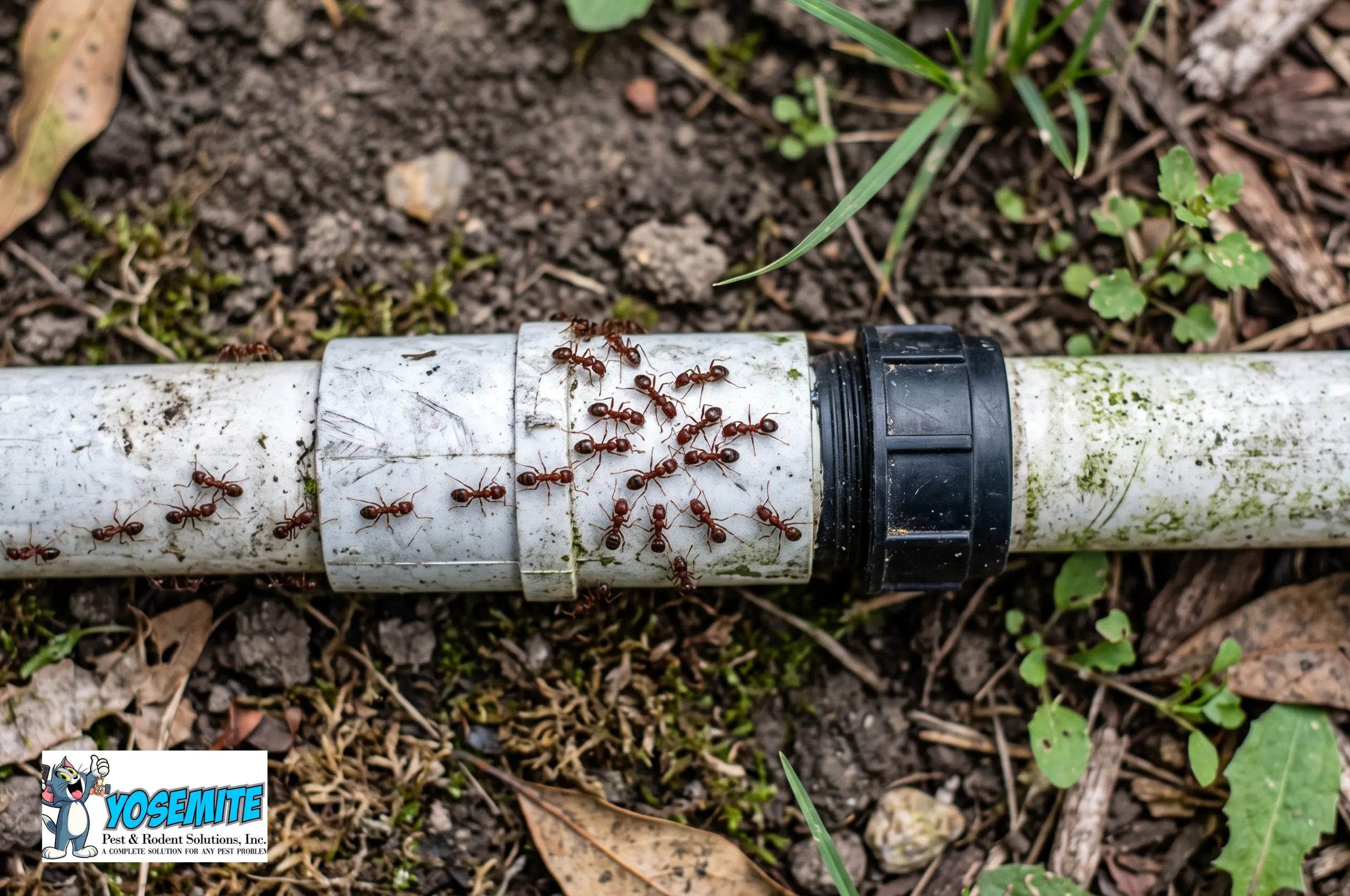
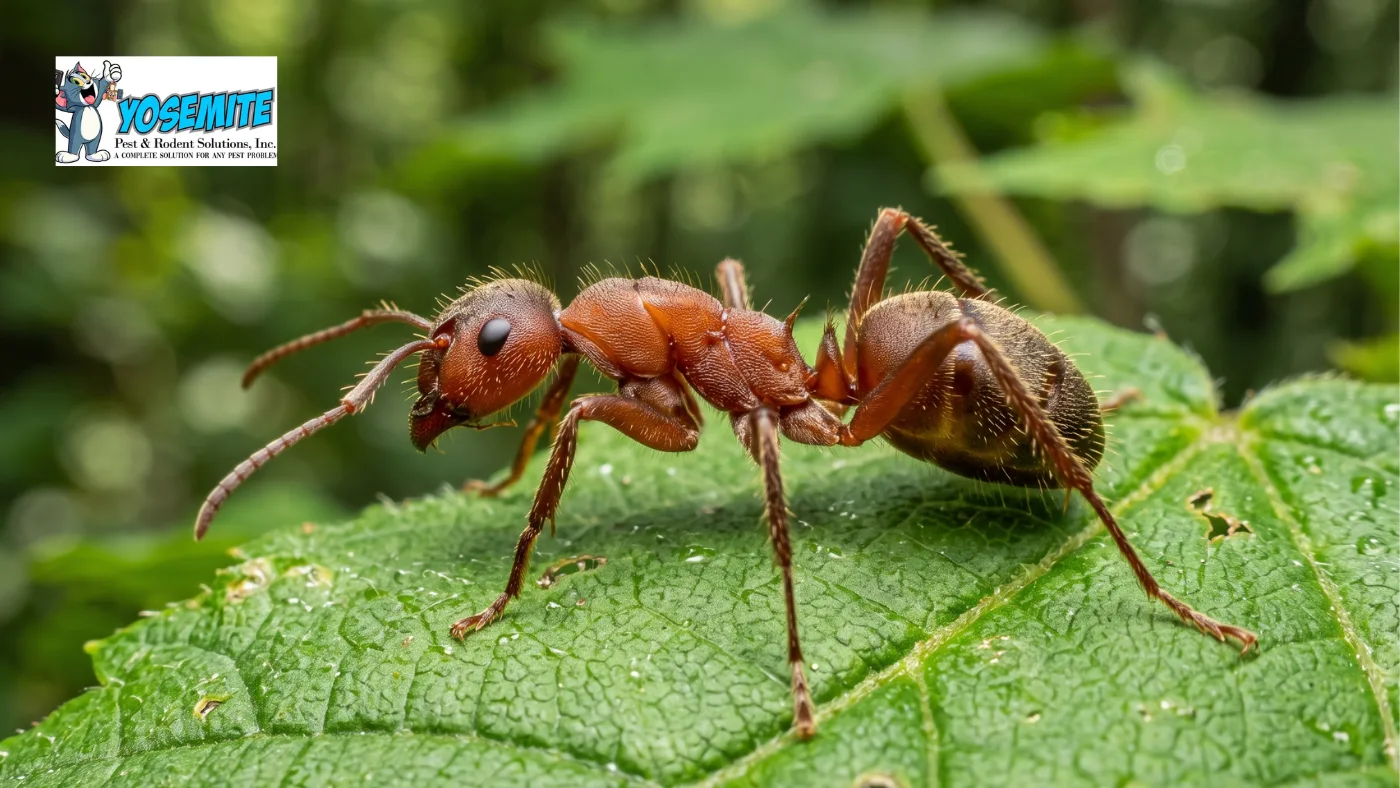
Pavement ants are small, dark brown to black ants that frequently nest in soil beneath pavement, concrete slabs, sidewalks, driveways, and building foundations. They create extensive underground galleries that may extend into lawns, landscape borders, and under stones or exterior slabs. Pavement ants forage widely and can establish satellite nests indoors in wall voids, beneath flooring, and around plumbing where moisture and food are available.
Risks & Potential Damage:
Pavement ants are primarily nuisance pests, but large colonies can contaminate food and create persistent trails throughout kitchens, pantries, and dining areas. Their widespread foraging activity can also attract secondary pests and indicate conditions that favor infestation, such as moisture issues or exterior cracks around foundations. While they do not cause structural wood damage, their presence can be disruptive and difficult to control without professional intervention.
Signs of Pavement Ants:
The most common sign of a pavement ant infestation is visible ant trails traveling between outdoor nesting sites and indoor food or water sources. These trails are often seen along baseboards, counters, sinks, and entry points where sugar or grease residues are present. You may also notice small piles of soil or grit near cracks in pavement or foundations where nests are located. Increased activity during warmer months and after irrigation or rain is common.
Methods of Pavement Ants Prevention:
Preventing pavement ant activity focuses on eliminating access to food and moisture, and reducing favorable conditions around structures. Store food in sealed containers, clean up spills quickly, and keep sinks and pet areas dry. Seal cracks and gaps around foundations, sidewalks, and driveways to reduce entry points. Eliminating excess moisture, trimming vegetation away from the home’s perimeter, and maintaining tidy exterior spaces can significantly reduce ant pressure and discourage indoor foraging.


 August 15, 2026