Common Habitat of Boxelder Bugs:
Boxelder bugs are commonly associated with boxelder trees, maple trees, and other similar vegetation where they feed on seeds and plant material during the warmer months. These insects typically remain outdoors throughout spring and summer, living in trees, shrubs, and nearby landscaping.
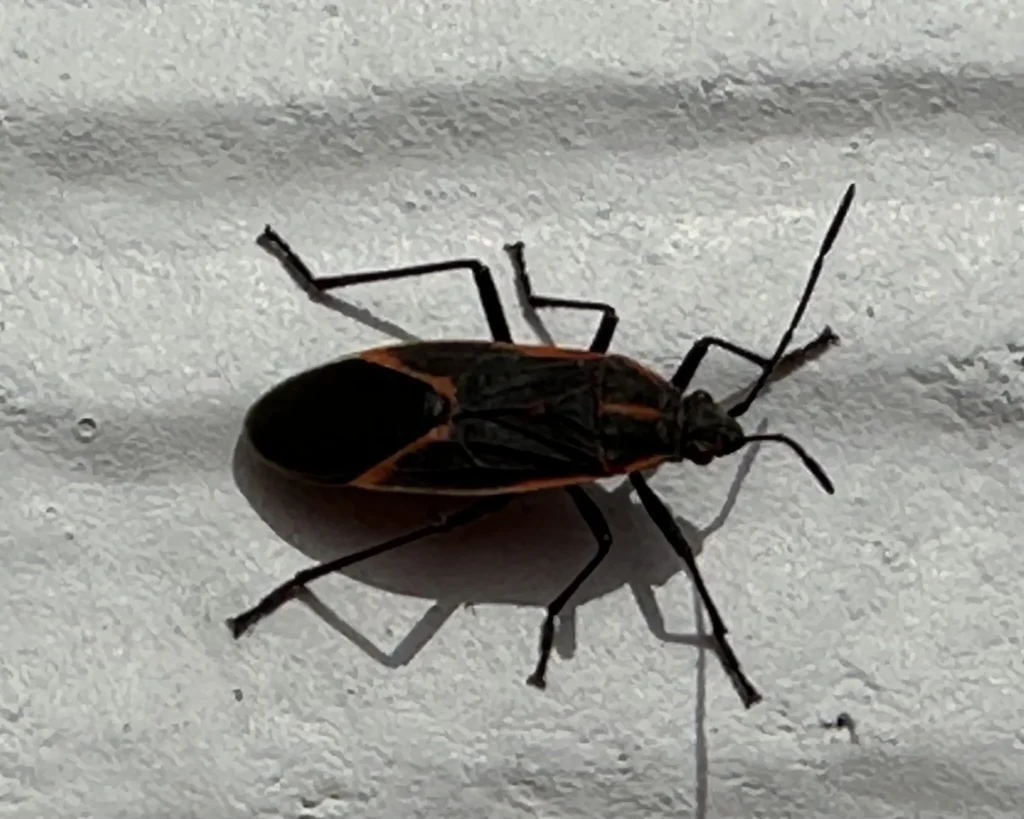
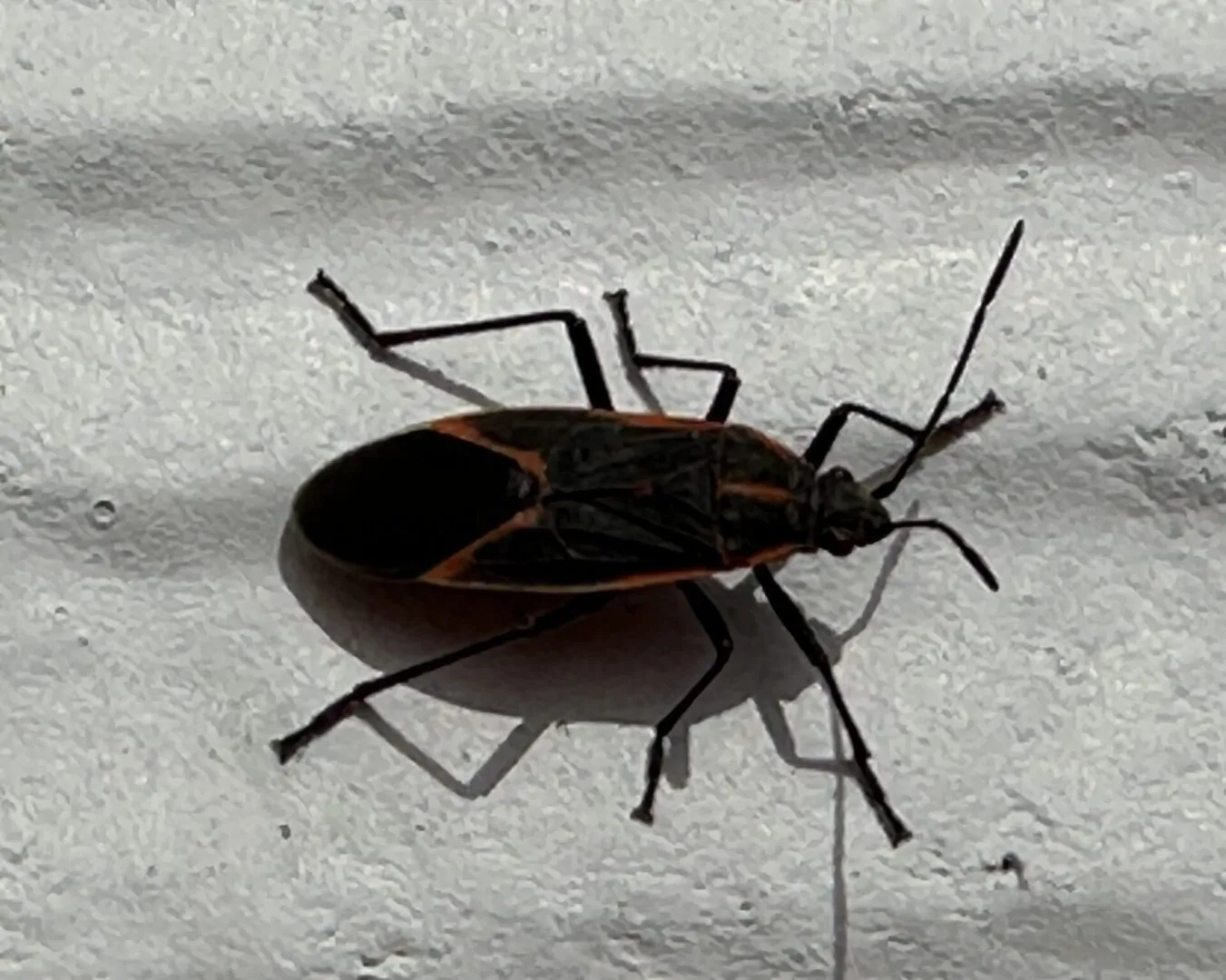
As temperatures begin to cool in the fall, boxelder bugs start gathering on warm, sunlit surfaces such as exterior walls, siding, and window frames, especially on the south and west sides of buildings. They look for sheltered places to spend the winter and may enter structures through small openings around windows, doors, vents, and rooflines. Once inside, they often hide in wall voids, attics, or crawl spaces where they stay inactive until temperatures rise again.
Risks & Potential Damage:
Boxelder bugs are mainly considered nuisance pests and generally do not pose serious health or structural risks. They do not bite, sting, or spread diseases. However, when they gather in large numbers in homes and buildings, they can become a noticeable and frustrating presence.
If they manage to enter indoor spaces, they may appear unexpectedly during warm winter days or early spring as they become active again. When crushed or disturbed, boxelder bugs can release a mild odor and may leave reddish stains on walls, fabrics, or other surfaces.
Signs of Boxelder Bugs Infestation:
A common sign of boxelder bug activity is the presence of groups of insects clustered on exterior siding, window frames, or around roof edges during late summer and fall. These gatherings are usually seen on sunny sides of the home where heat attracts them.
Indoors, boxelder bugs may occasionally be spotted crawling on walls, ceilings, or near windows. They can also appear in attics, crawl spaces, or along baseboards when temperatures briefly warm during the winter months.
Methods of Prevention:
Preventing infestations begins with early seasonal preparation and proactive boxelder bug control strategies. Homeowners should inspect exterior surfaces for cracks, gaps, and openings that could allow insects to enter the structure. Sealing these areas with proper caulking or weatherproof materials can significantly reduce the chances of indoor activity. Cleaning gutters, trimming branches away from the house, and removing debris near the foundation can also help discourage these pests from gathering near entry points. Preventative treatments applied during late summer or early fall can create a protective barrier that helps keep these insects outdoors.



 July 31, 2025