Common Habitat of Stinkbugs:
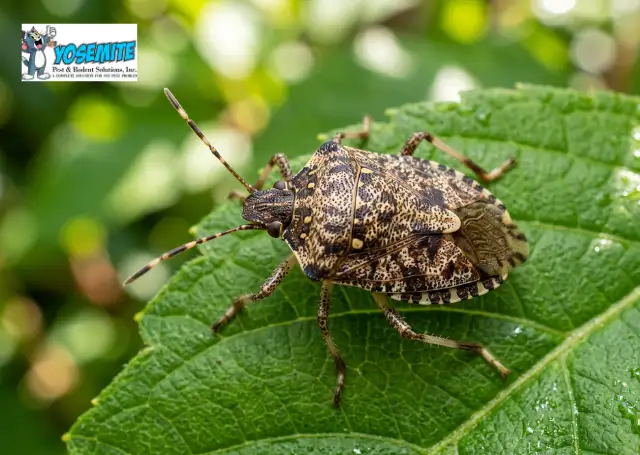
Stink bugs, especially the brown marmorated stink bug, are shield-shaped insects that become more noticeable toward the end of summer and during the fall season. Outdoors, they are often found on fruit trees, vegetable plants, and ornamental landscaping where they feed on plant juices.
As temperatures start to drop, these insects look for sheltered areas to survive the winter. They commonly gather on warm, sunlit sides of buildings and then slip indoors through small openings around windows, doors, siding, vents, and rooflines. Once inside, stink bugs tend to hide in quiet areas such as wall spaces, attics, ceiling fixtures, or around window and door frames.
Risks & Potential Damage:
Stink bugs are primarily nuisance pests, but they can still create several problems indoors and outdoors. When handled or crushed, they release a strong odor that can linger on furniture, fabrics, and other household surfaces. In some people, contact with stink bugs may also cause mild skin irritation or allergic reactions.
Outside the home, these insects can damage fruits, vegetables, and garden plants by feeding on them, which may affect the appearance and quality of produce. Large numbers entering a home may also suggest gaps or openings that allow other pests to enter as well.
Signs of Infestation:
One of the most noticeable signs of stink bug activity is the presence of groups of brown, shield-shaped insects gathering on exterior siding during late summer or early fall. They are often seen near windows, doors, and other sun-exposed areas of the building.
Indoors, stink bugs may appear along baseboards, near windows, around ceiling lights, or in upper floors of the home. They sometimes emerge during warmer winter days after hiding in wall cavities or attic spaces. A strong odor released when the bugs are disturbed or crushed is another common indicator of their presence.
Methods of Stinkbugs Prevention:
Preventing stink bug invasions involves addressing entry points before the fall season begins. Sealing cracks and small openings around windows, doors, siding, vents, and rooflines can significantly reduce their ability to enter a structure. Installing or repairing screens and weather-stripping also helps limit access.
Since it can be difficult to block every possible opening, exterior pest control treatments are often used to reduce insect populations around the home. Professional barrier applications can help limit overwintering activity and reduce the chances of stink bugs returning during seasonal changes.


 August 20, 2025