Common Habitat of Stinkbugs:
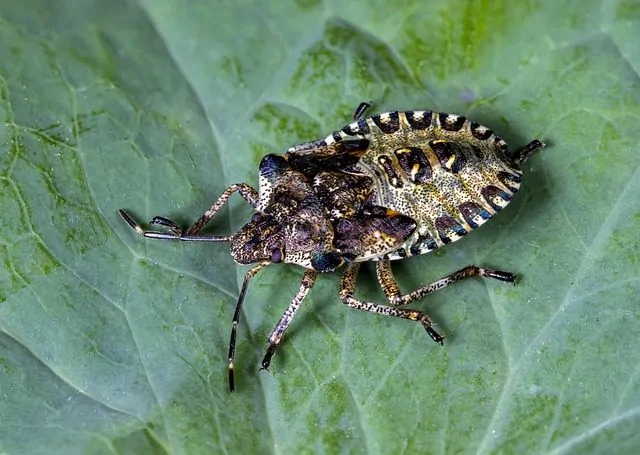
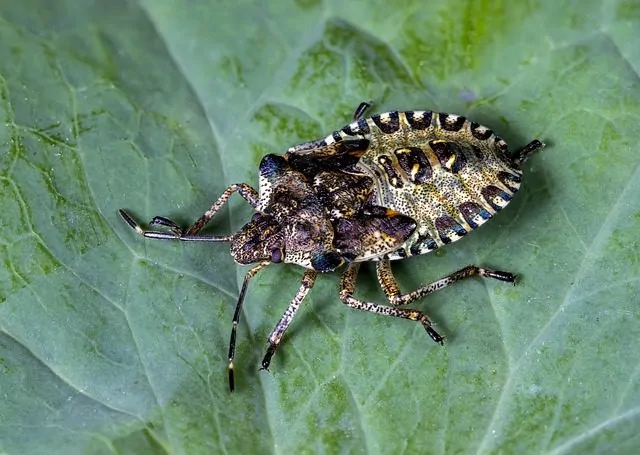
Stink bugs, particularly the invasive brown marmorated stink bug, are shield-shaped insects that become highly active in late summer and fall. Outdoors, they feed on fruits, vegetables, and ornamental plants. As temperatures cool, they gather on sun-exposed exterior walls and enter homes through small cracks and gaps to overwinter. Inside structures, stink bugs commonly settle in wall voids, attics, light fixtures, drop ceilings, and around window and door trim.
Risks & Potential Damage:
Stink bugs are more than just a nuisance. When crushed or disturbed, they release a strong, lingering odor that can cling to furniture, curtains, and clothing. In some individuals, exposure may trigger allergic reactions or mild dermatitis. Large indoor infestations often signal hidden entry points that may also allow other pests inside. Outdoors, stink bugs can damage gardens, fruits, and landscaping plants.
Signs of Infestation:
The most common sign is clusters of shield-shaped brown bugs gathering on exterior siding during late summer and fall. Indoors, stink bugs may appear around baseboards, windows, ceiling lights, and upper-level rooms—especially on warm winter days when overwintering insects become temporarily active. A noticeable odor when bugs are disturbed is another clear indicator. Outdoors, stink bugs damage fruits, vegetables, and ornamental plants, affecting gardens and surrounding landscapes.
Methods of Carpenter Bees Prevention:
Effective stink bug prevention begins before fall congregation occurs. Sealing cracks around windows, doors, siding, rooflines, and vents reduces entry points. Because complete exclusion is often difficult, proactive exterior treatments help minimize population pressure. Professional applications create a protective barrier, reduce overwintering activity, and help prevent recurring seasonal infestations.



 August 20, 2025