A Complete Solution For Any Pest Problem

Emergency Pest Control Myths Busted: What You Should Stop Believing

Emergency Pest Control Myths

It’s midnight. You shuffle into the kitchen for a glass of water and, yikes, something just scurried across the floor. Do you wait until morning, grab a can of spray, or call for help right away? Moments like this are exactly why emergency pest control exists.


The problem is, there are a lot of myths floating around about pests and how to deal with them. Believing the wrong thing can actually make pest infestations worse, cost you more money, and put your family at risk. That’s why we’re here to bust some of the most common misconceptions and show you the truth about when and why to act fast.


Myth #1 – Pests Only Invade Dirty Homes


Truth: Even the cleanest, most spotless homes can end up with pest problems.

It’s a comforting thought that pests only show up where things are messy, but unfortunately, that’s just not true. Rodents, ants, cockroaches, and other critters aren’t judging your housekeeping. They’re looking for food, water, and shelter, and they’ll take it wherever they can find it.

Common factors that invite pests include:

The bottom line? Clean homes are not immune. That’s why regular inspections and preventive measures are key to keeping unwanted visitors out.


Myth #2 – DIY Sprays Solve Everything


Truth: Store-bought sprays might take out a few pests you see, but they rarely touch the source of the problem.

Here’s the issue with going full DIY: pests don’t just hang out where you can see them. Ants trail back to hidden colonies, roaches breed in dark crevices, and wasps build nests where you’d never think to spray. That’s why a can from the hardware store often buys you a day of relief — and then the problem comes crawling back.


The risks of relying only on DIY include:


Professional treatments are designed to eliminate both the pests you see and the ones you don’t. That’s the real difference between a temporary fix and a lasting solution.


Myth #3 – Emergency Pest Control Costs Too Much


Truth: Acting quickly often saves you money compared to waiting until an infestation spreads.

It’s easy to assume that calling for emergency pest control is a big, expensive step, but here’s the reality: ignoring the problem usually costs far more. Rodents chew through wires, termites weaken wood, and roaches multiply at lightning speed. The longer you wait, the more damage (and repair costs) pile up.

Many companies, including Yosemite Pest & Rodent Solutions, offer affordable options like same day pest control and flexible service plans. That means you can address urgent issues right away without breaking the bank, and keep long-term protection in place with preventive care.

So instead of thinking of emergency service as “extra,” it’s actually one of the smartest ways to protect your home, health, and wallet.


Myth #4 – You Can Wait Until Morning


Truth: Some pests can’t wait… and neither should you.

Rodents, bed bugs, and wasps aren’t just a nuisance. Rodents chew through wires and spread disease. Bed bugs multiply quickly and can turn one sighting into a full-blown infestation overnight. Wasps and hornets pose immediate risks if someone in your household is allergic.

That’s why emergency pest control matters. A fast response means you can stop the problem before it escalates, avoid costly damage, and keep your family safe. Emergency technicians are trained to handle urgent situations quickly and effectively, giving you peace of mind when you need it most — even if it’s the middle of the night.


Myth #5 – Once Treated, Pests Never Return


Truth: Treatment is only the first step; prevention and maintenance are what keep pests from coming back.

A one-time service can stop the immediate problem, but pests are persistent. Rodents find new entry points, ants follow fresh trails, and seasonal invaders like spiders and stink bugs return year after year. That’s why ongoing care matters just as much as the initial treatment.

Prevention strategies that work include:


Think of it this way: treating pests once is like mowing your lawn. It looks great that day, but without upkeep, it won’t stay that way for long.


When to Call for Emergency Pest Control


Not every pest problem can wait for a routine appointment. Some situations call for urgent action to protect your home and your family. You should call for emergency pest control right away if you notice:

  • Rodent sightings indoors – Mice and rats spread disease, chew wires, and multiply quickly.
  • Aggressive wasp or hornet nests – These pests can attack without warning, especially dangerous if anyone is allergic.
  • Bed bug infestations – Once they settle in, they spread fast and can turn one room into a whole-house problem.
  • Termites or ants damaging wood – The longer they go unchecked, the more expensive the repairs.


If you need pest control in Aurora, IL or pest control in Naperville, fast response is key. Acting quickly can stop the damage, reduce risks, and bring peace of mind back to your home.


Frequently Asked Questions About Emergency Pest Control


  1. Is emergency pest control really available 24/7?

Yes. Many companies, including Yosemite Pest & Rodent Solutions, offer 24/7 pest control services so you can get help anytime — day or night.

2. What’s the difference between emergency pest control and regular service?

Emergency service handles urgent, high-risk pest problems right away, while regular service is more about prevention and routine maintenance.

3. How fast can a technician arrive?

Response times vary, but with same day pest control options, a technician can often arrive within hours of your call.

4. Do emergency treatments guarantee results?

Yes. Treatments target the immediate problem, and follow-up services or maintenance plans are available to ensure pests don’t come back.


Get the Help You Need for Emergency Pest Control Today


The truth is simple: emergency pest control isn’t a luxury; it’s effective, affordable, and often necessary to stop infestations before they spiral out of control. From rodents to bed bugs to wasps, pests don’t wait, and neither should you.

Yosemite Pest & Rodent Solutions is your reliable local partner for fast, professional service. Whether you need pest control in Aurora, IL or pest control in Naperville, our team is ready to protect your home with same-day and 24/7 solutions that actually work.

Need emergency pest control? Contact Yosemite Pest today for fast, expert help, and take back your peace of mind.


Sources

Centers for Disease Control and Prevention. Rodents. CDC, 2022, https://www.cdc.gov/rodents/.

Centers for Disease Control and Prevention. Bed Bugs FAQs. CDC, 2023, https://www.cdc.gov/parasites/bedbugs/faqs.html.

Environmental Protection Agency. Safely Using Pesticides. EPA, 2023, https://www.epa.gov/safepestcontrol/safely-using-pesticides.

Eco-Friendly Pest Control: Rethinking Chemicals and Embracing Integrated Pest Management (IPM)

Eco-Friendly Pest Control

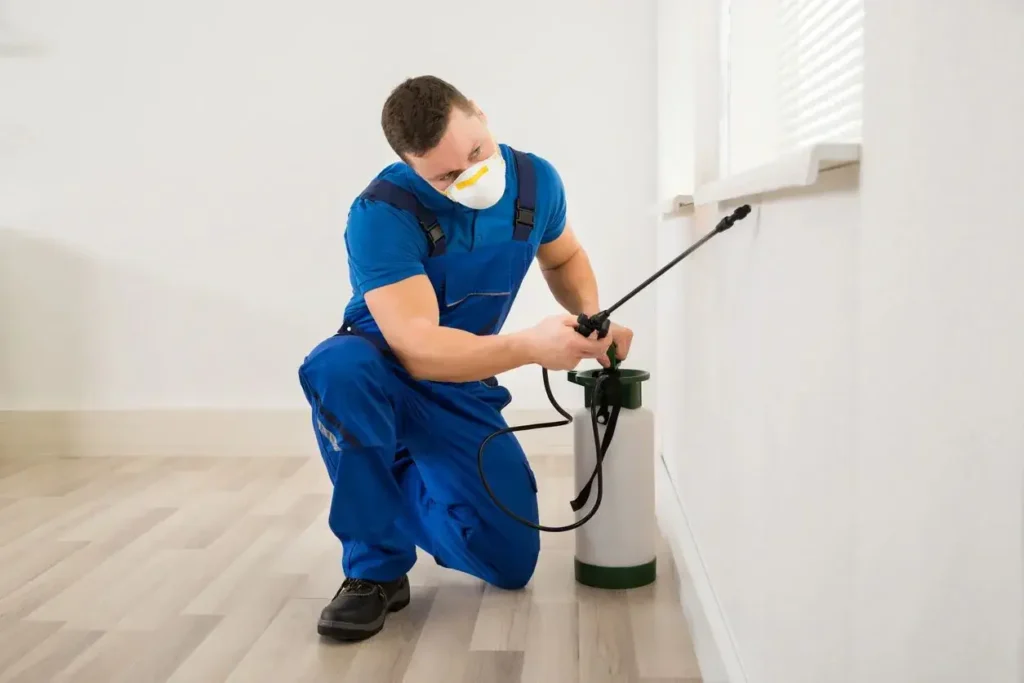
When you think about pest control, you probably picture someone lugging around a big spray tank, fogging the place down with chemicals. But times are changing, and that old-school image doesn’t tell the whole story anymore. Today, more homeowners are asking for safer, smarter solutions that protect both their homes and the environment.

That’s where integrated pest management (IPM) comes in. Instead of defaulting to heavy chemical use, IPM focuses on prevention, monitoring, and targeted treatments that solve pest problems without putting your family, pets, or the planet at risk. It’s not just eco-friendly pest control; it’s a sustainable strategy designed to keep pests away for the long haul.

What Is Integrated Pest Management (IPM)?

What is integrated pest management? At its core, integrated pest management (IPM) is a strategy that prioritizes prevention and smart solutions over blanket chemical use. Instead of reaching for the spray first, IPM takes a step back to understand why pests are there in the first place, and then addresses the root cause. (Environmental Protection Agency)

The approach includes:

  • Prevention – stopping pests from getting inside by sealing entry points and removing what attracts them.
  • Monitoring – inspecting regularly to catch early signs of activity.
  • Targeted treatment – using the least-toxic methods first, with chemicals only when truly necessary.

The goal is balance: you get effective results without unnecessary exposure to harmful pesticides. It’s pest control that protects your home while also being mindful of your family, pets, and the environment.

Why Rethink Chemical Use in Pest Control?

For years, the default image of pest control has been “spray more, solve faster.” But here’s the truth: more spray doesn’t mean better protection. In fact, chemical-heavy methods often come with more risks than rewards.

The downsides of overusing chemicals include:

  • Health risks – Harsh pesticides can expose families and pets to harmful residues.
  • Environmental harm – Sprays don’t just disappear; they can affect soil, water, and beneficial insects like pollinators.
  • Pesticide resistance – The more pests are exposed, the more likely they are to adapt, making treatments less effective over time.

By shifting toward eco-friendly practices that reduce pesticide use, homeowners can keep their homes pest-free while minimizing the risks to health and the environment. It’s about solving the problem smartly, not just spraying it away.

The Core Principles of IPM

Integrated pest management (IPM) works because it’s not about one quick fix, it’s about layering smart strategies that actually last. Here are the four core principles: 

  • Prevention – The first line of defense. This means sealing cracks, repairing screens, storing food properly, and even adjusting landscaping to make your home less appealing to pests.
  • Monitoring – Regular inspections help spot early signs of activity before they turn into full-blown infestations. Think of it like catching a leak before it becomes a flood.
  • Targeted treatment – IPM uses the least-toxic solutions first, like traps or baits, and only moves to chemical treatments when absolutely necessary.
  • Ongoing evaluation – Because pests (and homes) change over time, IPM involves follow-ups and adjustments to make sure the plan continues to work.

Together, these steps build a smarter, safer system that keeps pests under control without overloading your home or environment with unnecessary chemicals. (Purdue University Extension)

Eco-Friendly Pest Control in Action

Eco-friendly pest control isn’t just a buzzword; it’s about using smarter, safer tools that actually work. Here are a few ways integrated pest management (IPM) puts greener strategies into action:

The benefits go beyond fewer chemicals. Families enjoy cleaner air and safer surfaces, pets don’t have to worry about harmful residues, and the environment gets a break from pesticide overload. It’s proof that effective pest control doesn’t have to come at the expense of your health or your home.

Local Impact: Sustainable Pest Solutions for Illinois Homes

Here in Illinois, homeowners deal with more than just the occasional ant trail. Local pests like rodents, mosquitoes, and seasonal invaders such as boxelder bugs can cause year-round headaches if not addressed properly. The good news? Eco-friendly strategies can handle these problems just as effectively as heavy chemical treatments.

  • Ants – Bait systems and entry-point sealing often work better (and last longer) than sprays.
  • Rodents – Exclusion methods like sealing gaps and humane trapping protect homes without overreliance on toxins.
  • Mosquitoes – Reducing standing water and using targeted treatments keeps yards safer for summer nights.
  • Boxelder bugs – Preventive sealing and seasonal treatments stop these fall invaders before they take over.

If you’re looking for pest control in Aurora, IL or pest control in Naperville, you don’t have to choose between results and responsibility. Yosemite Pest combines local expertise with sustainable pest solutions that protect your family, your property, and your environment. (University of Illinois Extension)

Frequently Asked Questions About Eco-Friendly Pest Control

Is IPM as effective as traditional pest control?

Yes. When done properly, integrated pest management (IPM) is just as effective, and often longer lasting, because it focuses on prevention and solving the root cause, not just spraying away the symptoms.

Does eco-friendly pest control cost more?

Not usually. In fact, eco-friendly strategies can save money over time by reducing repeat infestations and minimizing damage repairs.

Can IPM completely eliminate chemicals?

Not always. IPM aims to reduce pesticide use as much as possible, relying on the least-toxic methods first and only using chemicals when absolutely necessary.

How do I know if IPM is right for my home?

If you want effective results with fewer chemicals around your family and pets, IPM is a great fit. A local expert, like Yosemite Pest, can assess your home and recommend the best sustainable pest solutions for your needs.

Get the Eco Friendly Support You Crave

Integrated pest management (IPM) brings together science, prevention, and eco-friendly solutions to create a smarter way to control pests. Instead of relying on endless sprays, IPM tackles the root causes of infestations and builds long-term protection for your home.

It’s time to think beyond the spray bottle. Sustainable pest control isn’t just better for the environment, it’s safer for your family, pets, and community.

Ready for sustainable, effective pest solutions? Yosemite Pest offers eco-friendly pest control options that protect your home and the planet.

Sources

Environmental Protection Agency. Introduction to Integrated Pest Management. EPA, 2023, https://www.epa.gov/ipm/introduction-integrated-pest-management.

Purdue University Extension. Integrated Pest Management (IPM): A Common Sense Approach to Controlling Pests. Purdue University, 2022, https://extension.entm.purdue.edu/publications/e-61/ 

University of Illinois Extension. Integrated Pest Management (IPM). University of Illinois Urbana-Champaign, 2023, https://extension.illinois.edu/ipm

The Ultimate Guide to Spider Control for Aurora Homeowners

Spiders Pest Control Services- Yosemite Pest & Rodent Solutions, Inc. in Arora , il

Ah yes, spiders, the most famous arachnids. These creepy crawlies have always weirded out humans for a long time and they have solidified themselves as a symbol of Halloween and all things scary, but every so often, we ask ourselves, what harm can spiders cause? While MOST spiders are harmless, they can cause infestations, which can be a nuisance, and there are a few spiders that can cause more lethal harm. For these reasons, it is essential to know what kinds of spiders can cause damage, what the consequences of a spider infestation are, and what steps you can take to prevent it. 

It is also essential for Aurora residents to know this since we are entering summer, and spiders are common in Aurora homes, especially during this time of year. 

Aurora, IL’s hot summers, humid weather, and well-maintained suburban landscaping offer the ideal environment for residential spiders to thrive. As the temperatures rise, especially during the warmer months, spiders become more active and are likely to venture indoors on a mission for food and shelter. The area’s gardens, trees, and manicured lawns offer insects bait, which in turn attract spiders on the hunt for their next source of nutrition. Although most of the spiders in the house are harmless, their presence can prove disturbing for homeowners who want to have a pest-free home. 

What are spiders? What harm can they cause? What are the common types of spiders?

Spiders are air-breathing arthropods that walk on eight limbs. They are tiny creatures with an average body size of .2 to .28 inches. While they are active throughout the year, they are primarily active during the summer and fall months for various reasons. They are active during the summer since it is their breeding season and when their prey is most active outside. They are also active during the fall since the weather cools down, and they will seek shelter, many times in people’s homes during this time. They are also active during the fall since many of their hatchlings have matured, which leads to more spiders overall. 


Some of the most common types of spiders in Aurora are house, wolf, cellar, and black widows. 

  • House Spiders: The American house spider is North America’s most commonly-seen spider. It ranges in size from about ⅛ to ⅚ inches and is generally harmless, although it can bite when threatened. However, this bite is not poisonous. 
  • Wolf Spiders: Wolf spiders are larger than house spiders, ranging in size from about ½ inches to 2 inches. They are usually black or brown but can sometimes be gray. They are rarely inside people’s homes as they hunt outside and do not build webs. Their bite is not poisonous, but due to their size, their bite may hurt.
  • Cellar Spider: These grayish-yellow spiders have long legs and are between House and Wolf spiders in size, ranging from 1 ¾ inches to 1 15/16 inches. Their bite is not poisonous, and their jaws cannot pierce human skin.
  • Black Widow: No, not the Avenger! Black widows are spiders that can grow up to 1.5 inches in size. They can be black or brown, but they all have a distinct reddish-orange hourglass shape on the underside of their abdomen. A bite from a black widow is extremely dangerous. Their venom is infected with toxic chemicals that can affect nerve endings (The Spruce). 

How to Prevent Spiders from Entering Your Home

There are many ways to prevent spiders from entering your home. 

One such method is sealing entry points around the house. Spiders usually enter people’s homes through gaps within the walls or near windows or doors. For any cracks and crevices found around the house, using caulk or weatherstripping is useful to help seal these entry points. Installing door sweeps and screens on windows and doors is another effective method since you can open them occasionally without spiders sneaking in. 

Another helpful method is to reduce any clutter around your house. Spiders tend to hide in clutter and build their webs there, so regularly vacuuming and cleaning your space can make the area less attractive to them. Storing items properly in sealed containers and paying attention to corners and crevices are some of the ways you can make sure your house is clutter-free. 

Leaving exterior lights on at night attracts flying insects, which in turn serve as a food source for spiders. To reduce this, consider using timers or motion sensors on your exterior lights. Another effective solution is to replace standard bulbs with bug-repellent amber bulbs, which are less attractive to insects.

Using natural repellants can also be useful, peppermint oil, vinegar, or essential oils such as eucalyptus and cedar are some natural repellants that are useful in repelling spiders.

When to Call a Professional Spider Control Service in Chicagoland & Near By Cities

There can be many reasons to call a professional pest control in Aurora, IL to help with spider issues:

  1.  One scenario is if a black widow is in your house. These spiders are extremely dangerous and pose a serious risk to yourself and anyone else in your household; taking them out yourself is very risky, and therefore, in this situation, it is best to seek professional services. 
  2. Another scenario is if there are a significant number of spiders or webs in your house; having many spiders makes it difficult for you to remove them all on your own, making a professional service helpful.  
  3. Finally, if you have tried all the DIY methods and have had no success isa good reason to contact a professional spider control service.

To recap, most spiders are generally harmless. However, they can cause nuisance in large numbers, and some of them are quite dangerous, such as the black widow. While there are methods you can use on your own to prevent a spider infestation, the most effective method would be to call a professional pest control service and have them eliminate the current issue and prevent any future infestations from occurring.

If you are looking for services that offer Spider Control in Aurora, Naperville & surrounding areas in Northern Illinois, feel free to contact Yosemite Pest and Rodent Solutions, Inc at (630) 779-7674.

5,500


Customers Served

2010


In Business Since

Less Than 2 Hours


Response Rate

5 Star


Client Rating

Yosemite Pest & Rodent Solutions, Inc
Monday - Friday: 07:00AM to 06:00PM
Saturday: 08:00AM - 04:00PM
Sunday: 09:00AM to 03:00PM