If you have owned a home for more than a few years, you have probably noticed that pest control does not cost what it used to. That is a conversation Yosemite Pest & Rodent Solutions has regularly with Northern Illinois homeowners who want to understand not just the price, but the reason behind it.
In 2026, nearly every home service has been affected by rising costs, tighter regulations, and a smaller labor pool. Pest control is no exception. Local providers like us have seen firsthand how changes in materials, training requirements, and compliance standards shape what responsible service looks like today.
What has changed is not just the number on the invoice, but what that number actually covers. Today’s pricing reflects a much higher standard of care, safety, and long-term prevention than what was common even five or ten years ago.
Inflation Has Changed the Cost of Doing the Job Right
Inflation impacts pest control in ways most homeowners never see. Products, protective equipment, vehicles, fuel, and insurance have all increased in cost. So have business essentials like licensing, continuing education, and compliance reporting.
In 2026, professional-grade pest control products are more targeted and environmentally responsible than older formulations. That is good for your home, your family, and local ecosystems. It also means they are more expensive to manufacture and apply correctly. Proper application takes time, training, and precision, not just a quick spray and a promise.
When pricing increases, it is often tied to these behind-the-scenes costs that ensure treatments are effective, legal, and safe.
Labor Shortages Have Raised the Value of Skilled Technicians
One of the biggest drivers of pricing in 2026 is labor. Pest control is not entry-level work. It requires training, certification, experience, and a real understanding of how pests behave in different structures and seasons.
Qualified technicians are harder to find and harder to replace. Companies that invest in their teams pay for ongoing education, competitive wages, and retention. That investment shows up in pricing, but it also shows up in better outcomes, fewer callbacks, and more accurate diagnoses.
A lower price often means rushed appointments, rotating technicians, or undertrained staff. A higher price usually reflects experience and accountability.
Regulations Have Tightened Across the Industry
Modern pest control operates under stricter federal, state, and local regulations than ever before. These rules are designed to protect homeowners, pets, wildlife, and water sources.
Compliance requires documentation, approved treatment methods, proper storage, and licensed application. In 2026, cutting corners is not just unethical, it is illegal. Reputable companies factor compliance into their pricing because it is part of doing the job responsibly.
If a quote seems dramatically lower than others, it is worth asking how regulatory requirements are being met.
Why “Cheap” Quotes Often Cost More Later?
Low-cost pest control often looks appealing at first. The problem is that pests do not respond well to shortcuts. Incomplete inspections, surface-level treatments, and weak warranties can lead to repeat infestations that cost more over time.
A cheap quote may only address what is visible, not the source of the problem. It may exclude follow-up care, warranty coverage, or prevention measures that stop pests from returning.
In many cases, homeowners end up paying twice. Once for the low-priced service that did not solve the issue, and again for a comprehensive treatment that should have been done from the start.
In 2026, pest control pricing is less about paying more and more about paying smarter.
How Pest Control Pricing Actually Works?
Pest control pricing can feel confusing because it is not built like a simple menu. There is no flat rate that applies to every home, every pest, or every situation. In 2026, pricing is structured around risk, prevention, and long-term results, not just the cost of showing up.
Understanding how pricing works makes it much easier to compare quotes and avoid services that sound good but fall short.
One-Time Treatments vs Ongoing Service
A one-time treatment is exactly what it sounds like. A technician treats the current problem, applies product where needed, and provides a limited warranty based on the pest and severity of the issue. This option can work well for isolated problems like ants, spiders, or seasonal invaders when the infestation is minor and the structure is in good condition.
Ongoing service is designed for prevention and control over time. This typically includes an initial, more intensive treatment followed by scheduled exterior services throughout the year. For rodents and recurring pests, ongoing service often includes monitoring devices, exclusion strategies, and regular adjustments based on activity levels.
The key difference is scope. One-time treatments focus on solving today’s problem. Ongoing service focuses on stopping the next one before it starts.
Neither option is automatically better. The right choice depends on the pest, the home, and how much risk you are willing to manage yourself.
Warranties Explained in Plain Language
A warranty in pest control is not a lifetime guarantee. It is a defined window of time during which the company agrees to re-treat at no additional cost if the same pest returns under the same conditions.
In 2026, warranties commonly range from 20 days to 180 days depending on the pest, treatment type, and level of service. Longer warranties usually cost more because they require ongoing accountability and follow-up capacity.
It is important to understand what the warranty covers and what it does not. Most warranties apply only to the specific pest treated. New infestations, different pests, or structural changes are typically excluded.
A longer warranty does not automatically mean better service. A clear, realistic warranty paired with proper treatment often provides more value than a long warranty attached to a rushed job.
Why Inspections Matter Before Numbers?
Any pest control quote given without an inspection is, at best, an estimate and, at worst, a guess. Homes vary widely in size, construction, access points, and pest pressure. Even two houses on the same street can require very different approaches.
An in-home inspection allows the technician to identify entry points, nesting areas, moisture issues, and structural factors that influence treatment. It also helps determine whether the issue is active, historical, or seasonal.
Pricing based on an inspection is not about upselling. It is about accuracy. Without seeing the home, it is impossible to determine the right treatment, warranty length, or level of ongoing service needed.
In 2026, the most reliable pest control pricing starts with someone walking your property, asking questions, and explaining what they see before quoting a number.
Detailed Price Breakdown for Northern Illinois
Pest control pricing in Northern Illinois reflects more than just the pest involved. Weather patterns, seasonal pressure, housing styles, and rodent activity all play a role. The numbers below represent realistic 2026 pricing ranges for professional service in this region, with the understanding that inspections determine final costs.
Mice and Rats
Rodent problems are among the most complex and variable issues homeowners face. Mice and rats are persistent, adaptable, and capable of causing damage well beyond what is immediately visible.
One-Time Treatment Pricing
A one-time rodent treatment in Northern Illinois typically ranges from $325 to $700, with warranties ranging from 30 days up to 180 days.
Pricing varies based on:
- The size and layout of the home
- The severity and duration of the infestation
- Access points and nesting locations
- The length of warranty provided
This type of service focuses on addressing the current infestation. It may include interior treatment, targeted trapping, and limited exterior prevention. One-time treatments can be effective for early-stage rodent issues or isolated incidents.
Initial Plus Ongoing Service Model
For established rodent problems, most homeowners benefit from an initial treatment followed by ongoing service.
The initial service typically ranges from $800 to $2,000. This phase often includes:
- Interior inspection and treatment
- Installation of exterior rodent devices
- Identification of entry points and pressure areas
- Strategic placement of monitoring tools
After the initial service, ongoing exterior rodent maintenance averages $600 to $800 per year. This includes regular servicing of devices, monitoring activity, and making seasonal adjustments.
This model focuses on long-term control, not just removal. Rodents are rarely a one-and-done issue without ongoing prevention.
Common Invading Pests (Ants, Spiders, and Similar Insects)
Common household pests such as ants and spiders are usually addressed with one-time treatments when infestations are limited.
In 2026, one-time service for these pests generally ranges from $180 to $475, with warranties between 30 and 180 days.
Pricing depends on:
- Home size
- Infestation severity
- Treatment areas required
- Warranty length
These treatments typically include interior and exterior applications designed to eliminate active pests and reduce re-entry.
Occasional and Seasonal Pests
Seasonal invaders tend to surge during specific times of the year, often catching homeowners off guard.
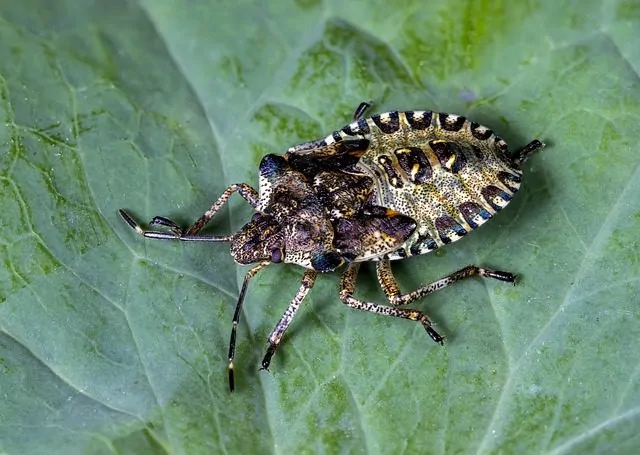
Boxelder Bugs, Stink Bugs, Clover Mites, and Springtails
Most seasonal pests require a single, targeted treatment. In Northern Illinois, the initial cost for these services generally ranges from $275 to $625, with warranties from 20 days to 180 days.
Ongoing regular service for seasonal pest prevention averages around $900 per year, depending on property size and exposure.
These pests often enter through small cracks and gaps, making exterior treatment and timing especially important.
Bed Bugs: Clear Expectations and Limits
Bed bugs require a very different approach. Treatment is intensive, time-consuming, and highly sensitive to preparation and follow-through.
In 2026, professional bed bug treatment in Northern Illinois typically ranges from $1,500 to $4,000, with a limited warranty of approximately 30 days.
This pricing reflects:
- Multiple treatment steps
- Specialized products and equipment
- Detailed inspections
- The high risk of reintroduction
Bed bug warranties are shorter because reinfestation is often caused by external factors outside the provider’s control.
What Ongoing Service Really Includes
Ongoing pest control service is not just a recurring visit. It is a prevention strategy.
In Northern Illinois, ongoing service commonly includes:
- Scheduled exterior treatments
- Monitoring and adjustment based on pest activity
- Seasonal pests prevention measures
- Early detection before infestations escalate
- Warranty-backed re-treatment when needed
For many homeowners, ongoing service provides peace of mind and cost stability by reducing emergency treatments and surprise infestations.
In 2026, the value of pest control is not measured by how often a technician shows up, but by how rarely you have to think about pests at all.
What Factors Change Pest Control Pricing the Most?
No two homes are exactly alike, and neither are pest problems. In Northern Illinois, pricing differences are usually driven by a small set of core factors. Understanding these variables makes it easier to evaluate quotes and avoid comparing services that are not actually equivalent.
Home Size and Construction
The size of a home affects more than square footage. Larger homes typically have more entry points, more exterior surface area, and more places for pests to hide. That means more time, more product, and more monitoring.
Construction style also plays a major role. Older homes often have gaps, aging materials, and complex layouts that make treatment more involved. Crawl spaces, finished basements, attached garages, and multi-level rooflines all increase inspection and treatment time.
Newer homes are not immune either. Certain modern construction materials can create hidden voids where pests travel unnoticed. The structure determines how pests move and how technicians must respond.
Severity and Access Points
An early-stage infestation is usually faster and less expensive to resolve than a long-standing one. Severity affects pricing because it determines how aggressive the treatment must be.
Access points are equally important. A single visible entry is very different from multiple hidden pathways behind walls, under siding, or through utility lines. Rodents and insects rarely enter through obvious openings alone.
When access points are widespread or difficult to reach, treatment becomes more complex and time-intensive. This often explains why two homes with the same pest can receive very different quotes.
How to Budget Realistically for Pest Control in 2026?
Pest control is often treated as an emergency expense, something homeowners deal with only when a problem becomes impossible to ignore. In 2026, the most cost-effective approach is planning ahead and budgeting with prevention in mind.
Understanding how costs break down over time helps avoid surprise expenses and rushed decisions.
One-Time Treatment vs Annual Planning
One-time treatments can make sense for minor or isolated issues. They are usually less expensive up front and can resolve problems quickly when conditions are favorable.
However, repeated one-time treatments often add up to more than an annual service plan. When pests return seasonally or access points are not fully addressed, homeowners may find themselves paying multiple times in a single year.
Annual planning spreads costs more evenly and focuses on reducing the likelihood of future infestations. For homes with recurring issues or high exposure, this approach often provides better value and fewer disruptions.
When Prevention Saves Money?
Preventive service targets pests before they become visible. Exterior treatments, monitoring devices, and seasonal adjustments help stop infestations from taking hold.
Preventing rodents from entering a home is typically far less expensive than removing them once they have established nesting areas. The same is true for insects that multiply quickly when left unchecked.
In 2026, prevention is not an upsell. It is a cost-control strategy.
What to Expect for Annual Pest Control Costs
While every home is different, many Northern Illinois homeowners should expect to budget anywhere from several hundred to just under a thousand dollars per year for comprehensive pest prevention, depending on property size, pest pressure, and service scope.
Rodent-heavy properties, homes near wooded areas, and older structures often fall toward the higher end of that range. Smaller homes with limited exposure may fall lower.
The goal is not to eliminate all risk, but to manage it proactively.
Northern Illinois Pest Control in 2026: What to Do Next
Pest control pricing in 2026 can feel complicated, but it does not have to be confusing. For homeowners in Northern Illinois, the most important step is working with a provider that understands local conditions and explains pricing clearly before any work begins.
At Yosemite Pest & Rodent Solutions, pricing is built around inspections, not assumptions. Every home is different, and the only way to recommend the right level of service is to see what is actually happening on the property. That approach helps avoid unnecessary treatments and ensures pricing reflects real conditions, not generic averages.
Get Started With Our Complimentary Inspection Today
The most reliable way to understand pest control pricing for your home is through an in-home inspection and consultation. This allows our team at Yosemite Pest & Rodent Solutions to assess activity, identify access points, and recommend the most effective solution based on your needs and budget.
In 2026, smart pest control decisions are informed, local, and proactive. With clear pricing, qualified technicians, and a prevention-focused approach, Yosemite Pest & Rodent Solutions helps Northern Illinois homeowners protect their homes with confidence.
For more information or to schedule an inspection, homeowners can contact us directly at 630-779-7674 or visit yosemite-pest.com/.
Sources
National Research Council (US) Committee on Agricultural Land Use and Wildlife Resources. Land Use and Wildlife Resources. National Academies Press, 1970, Chapter 6, “Pesticides and Wildlife.” National Center for Biotechnology Information, www.ncbi.nlm.nih.gov/books/NBK208752/.