Common Habitat of Stinging Insects:
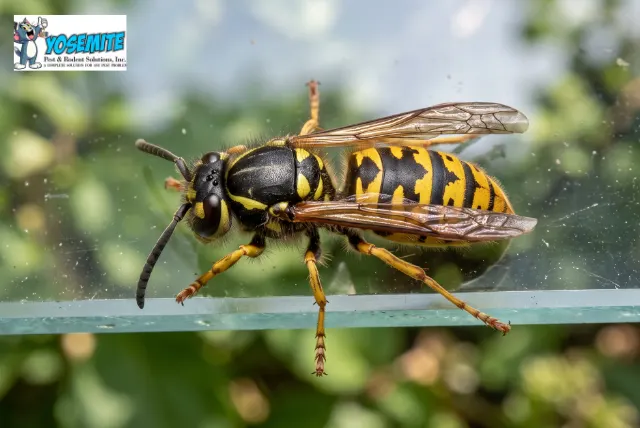
Stinging insects such as wasps, hornets, and yellow jackets build nests in a variety of outdoor and semi-protected locations. Common habitats include eaves, soffits, rooflines, attics, wall voids, shrubs, trees, and ground cavities. Nests may be attached to structures or hidden in landscaping, sheds, or debris piles. Stinging insects are most active during the spring through early fall, foraging for nectar, insects, and sweet foods to support colony growth, and can become more aggressive as colonies mature later in the season.
Risks & Diseases / Damage:
Stinging insects pose direct risks to people and pets due to the potential for painful stings and allergic reactions, which in some cases can be severe or life-threatening. Wasps, hornets, and yellow jackets defend their nests vigorously when disturbed. Beyond the immediate risk of stings, large colonies near entrances, play areas, or high-traffic zones increase the likelihood of encounters. While these pests do not typically cause structural damage, their nests may be difficult to remove and may interfere with outdoor activities or property use.
Signs of Stinging Insects Infestation:
Common signs of stinging insect activity include visible nests under eaves, in attics, wall voids, tree branches, or shrubs. You may notice increased insect activity around doors, windows, trash cans, outdoor dining areas, play structures, and gardens. Frequent sightings of wasps or hornets flying in repeated patterns near a specific location, or audible buzzing around walls or openings, are strong indicators of an active nest nearby. Some species also forage in groups around sweet foods or open beverage containers.
Methods of Stinging Insect Prevention:
Prevention focuses on eliminating moisture and wood-to-soil contact. Repairing leaks, replacing water-damaged wood, sealing foundation Preventing stinging insect problems begins with eliminating attractants and securing potential nesting sites. Keep lids on trash cans, clean up food spills, and reduce outdoor sweet food and beverage exposure during picnics, barbecues, and gatherings. Seal cracks and gaps around eaves, soffits, wall voids, and other structural openings. Install screens on vents and repair damaged screens on windows and doors. Professional exterior inspections and targeted treatments early in the season can help reduce the likelihood of nest establishment and limit activity near the home.



 August 15, 2026