A Complete Solution For Any Pest Problem

Boxelder Bug Infestations in Northern Illinois: How to Keep Them Out of Your Home

Boxelder Bug Infestations in Northern Illinois: How to Keep Them Out of Your Home_YP_July 2025

When fall arrives in Northern Illinois, so do the boxelder bugs. These small, red-striped invaders might seem harmless at first glance, but their sudden appearance in large numbers can be overwhelming for homeowners. As temperatures drop, boxelder bugs start searching for warmth… and your house is at the top of their list.

While they don’t bite or damage your home like termites or carpenter ants, boxelder bugs are notorious for slipping through cracks, clustering on sunny walls, and creeping into attics, window frames, and siding. Once they’re in, getting them out isn’t always easy.

At Yosemite Rodent & Pest Solutions, we have organized this guide to help you understand how and why boxelder bugs invade, what makes Northern Illinois homes particularly vulnerable, and most importantly, how to stop them before they become a real nuisance. Whether you’re in the early stages of spotting a few or bracing for a swarm, we’ll walk you through everything you need to know about boxelder bug control, pest control in Aurora, IL, and pest control in Naperville.

What Are Boxelder Bugs?

Boxelder bugs are easy to spot once you know what you’re looking for. These slender black insects are marked with distinctive red or orange stripes along their wings and thorax, giving them a flashy look for such a frustrating pest. Adults typically measure about half an inch long and are often seen in clusters on warm, sunny surfaces like siding, garage doors, and south-facing windows.

Despite their alarming numbers, boxelder bugs are slow movers and don’t pose a direct threat to humans or pets. Their behavior is more of a seasonal nuisance than a year-round invasion—they congregate in large groups, especially when they’re preparing to overwinter.

Their life cycle begins in spring when females lay eggs in the bark of boxelder, maple, and ash trees. Those eggs hatch into bright red nymphs, which go through several molts before becoming the winged adults you’re likely to spot by late summer or early fall. This timing is no coincidence—it’s when temperatures start to drop that they begin searching for shelter, often in and around homes.

Understanding this cycle is the first step in stopping them before they settle in. Early awareness means better prevention—and fewer pests hanging out on your living room walls.

Why Boxelder Bugs Are a Problem in Northern Illinois

Northern Illinois offers the perfect mix of climate and landscape to make boxelder bugs feel right at home—unfortunately, sometimes that means your home.

As summer gives way to fall, fluctuating temperatures signal boxelder bugs to start looking for a place to hunker down. These seasonal shifts—especially the warm days followed by cool nights—trigger a migration pattern where bugs move from the trees into siding, soffits, and any small crevice they can find.

Adding to the problem is our regional tree lineup. Boxelder bugs thrive near boxelder, maple, and ash trees, all of which are abundant in suburban and rural communities throughout Northern Illinois. If your neighborhood is lined with these trees, chances are good that boxelder bugs are already nearby.

Even the way your home is positioned can play a role. Properties with southern or western exposures tend to absorb more afternoon sun, which warms up exterior walls and makes them especially attractive to overwintering bugs. It’s like putting out a welcome mat—only instead of guests, you get hundreds of six-legged squatters.

Are Boxelder Bugs Dangerous?

Despite their intimidating numbers, boxelder bugs aren’t dangerous in the traditional pest sense. They won’t bite you, they don’t sting, and they aren’t chewing through your drywall or support beams. But that doesn’t mean they’re harmless houseguests.

When crushed (accidentally or otherwise), boxelder bugs emit a strong, unpleasant odor—something between sour herbs and stale laundry. Not exactly the welcome-home scent you want lingering in your entryway.

Worse, they leave behind reddish-orange stains on walls, curtains, and upholstered furniture. These pigments come from the same compounds that give them their signature color—and they’re notoriously hard to remove.

And then there’s the quantity. A handful of boxelder bugs might seem manageable at first, but infestations can quickly escalate into hundreds if they find a way into your siding or attic. That’s when homeowners start searching for reliable boxelder bugs control or trusted pest control in Aurora, Il and pest control in Naperville to stop the swarm before it spreads.

How to Prevent Boxelder Bug Infestations

The best way to deal with boxelder bugs? Don’t let them in to begin with.

Start by sealing any potential entry points. These bugs can sneak through the tiniest cracks, so check around doors, windows, siding, vents, and utility openings. Use a combination of caulk, weather stripping, and fine-mesh screens to shore up your home’s defenses.

If you have boxelder or maple trees close to your house, consider trimming back overhanging branches. While you don’t need to chop down your shade trees, reducing direct access to your roof and siding makes your home less appealing as a landing spot.

Also, don’t forget what’s happening at ground level. Remove yard debris like leaf piles, wood stacks, and thick mulch beds near your foundation—these cozy hiding spots offer shelter until the bugs find a way inside.

In communities across Northern Illinois, proactive boxelder bugs control is often part of a broader seasonal strategy. Whether you’re looking for pest control in Naperville or dependable pest control in Aurora, Il, prevention now means fewer bugs later.

Boxelder Bug Control Options

If you’re already spotting boxelder bugs around your windows or siding, don’t panic—you’ve got options.

DIY fixes can help with mild infestations. A simple soapy water solution sprayed directly on visible bugs can kill them on contact. For the ones that make it inside, a vacuum works well—just be sure to empty the vacuum bag immediately to avoid odor and escapees. Some homeowners also apply exterior insecticidal sprays around the foundation and siding before the first big drop in temperature, which can reduce how many bugs try to enter.

That said, once the bugs are in or the numbers start growing, it’s time to bring in the pros.

Professional pest control teams offer targeted, effective solutions that go beyond surface fixes. Preventative perimeter treatments in late summer or early fall are often the first line of defense. For homes already dealing with a swarm, insecticide treatments can manage heavy infestations quickly and safely. And for older or more vulnerable properties, long-term exclusion plans can keep boxelder bugs (and other seasonal pests) out for good.

Why Northern Illinois Homeowners Should Act Early

When it comes to boxelder bugs control, timing is everything.

In Northern Illinois, infestations typically peak between late September and October—right when the weather starts to cool and the bugs begin looking for shelter. Wait too long, and they’ll already be inside your walls, attic, and window frames before you notice.

The earlier you act, the easier they are to stop. Preventative treatments in late summer can block their entry before they settle in, saving you the frustration (and stains) of dealing with them indoors later. It also reduces the chance of repeated invasions season after season.

So whether you’re already spotting a few on your siding or just want peace of mind before fall hits, it’s smart to get ahead of the problem—especially if you’re considering pest control in Naperville or pest control in Aurora, Il.

Choosing a Local Pest Control Expert

When it comes to managing pests that thrive in your backyard—literally—working with a local expert makes all the difference.

Technicians who understand Northern Illinois pest patterns can anticipate seasonal shifts, know where boxelder bugs are most likely to enter, and tailor treatment plans to your specific neighborhood conditions. They’re not just reading from a manual—they’ve seen the bugs, the infestations, and the ways they behave in homes just like yours.

Familiarity with local architecture and landscaping matters too. Whether it’s split-level homes in Naperville or older ranches in Aurora, a local team will know how to treat the nooks and crannies bugs love to exploit—and which trees nearby (like boxelders or maples) are contributing to the problem.

Reputable local providers also offer seasonal treatment plans and flexible scheduling, helping you time your prevention perfectly. If you’re looking for reliable boxelder bugs control, pest control in Aurora, Il, or pest control in Naperville, going local isn’t just convenient—it’s strategic.

Our Boxelder Bug Treatment Services

At Yosemite Pest & Rodent Solutions, we know how disruptive boxelder bugs can be—especially when they show up in swarms just as the weather turns. That’s why we offer tailored, affordable, and effective solutions designed specifically for Northern Illinois homes.

Our fall preventative treatments are strategically timed to block bugs before they move indoors. We start with a free consultation and build a customized service plan that fits your home’s layout, exposure, and surrounding environment. Whether you need a one-time treatment or a seasonal prevention plan, we’ve got you covered.

And because we know your home isn’t just yours—it’s also home to kids and pets—we offer treatment options that are both family- and pet-safe.

Looking for trusted pest control in Naperville, pest control in Aurora, Il, or surrounding communities like Oswego, Plainfield, or Rockford? You’ll find our team already in your neighborhood, helping homeowners take control before boxelder bugs settle in.

Don’t Let Boxelder Bugs Make Themselves at Home

Boxelder bugs might be a seasonal nuisance, but with the right approach, they don’t have to become a recurring problem. A few early steps—like sealing up entry points and scheduling preventative treatments—can save you from dealing with stains, odors, and swarms later on.

Whether you’ve just noticed a handful or you’re seeing dozens sunning themselves on your siding, now is the time to act.

At Yosemite Pest & Rodent Solutions, we specialize in proactive, long-lasting boxelder bugs control and trusted pest control in Aurora, Il and pest control in Naperville—all tailored to the unique needs of Northern Illinois homeowners.

Click to learn more and protect your home before the next wave hits.
Ladybug Control Near Aurora, IL: What You Need to Know About These Unwanted Houseguests

Ladybug Control Near Aurora, IL: What You Need to Know About These Unwanted Houseguests_YP_July 2025

Ladybugs are often considered lucky in the garden—but once they move indoors, they’re anything but welcome. These small beetles may be harmless outside, but inside your home, they can become a frustrating (and surprisingly stubborn) pest.

In places like Aurora, IL—and even as far as Aurora, CO—residents commonly experience ladybug invasions during the fall and winter months. That’s because certain species, especially the Asian lady beetle, begin seeking out warmth and shelter as temperatures drop. And unfortunately, your home or business can provide the perfect hiding spot.

At Yosemite Pest & Rodent Solutions, we help homeowners and business owners across Northern Illinois identify, prevent, and manage these seasonal intrusions. Whether you’re seeing just a few or an entire swarm, our expert team is here to guide you through every step of effective ladybug pest control—from education to prevention to treatment. If you’re searching for pest control in Oswego, Il or pest control in Yorkville, Il, you’re in the right place.

Are Ladybugs a Problem ? Are Ladybugs Dangerous?

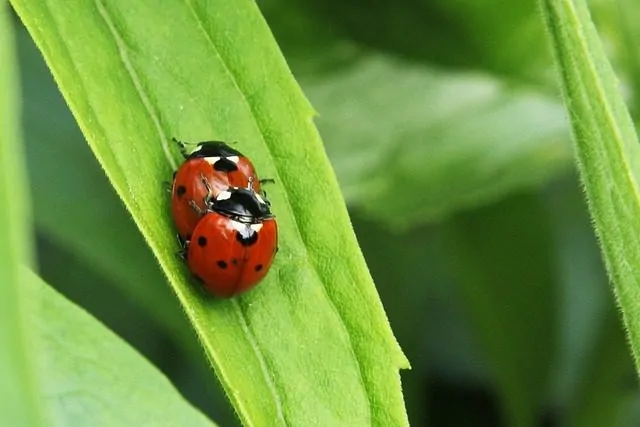
Not all ladybugs are created equal. The bright red beetles you see in the garden are often native ladybugs, and they’re beneficial—eating pests like aphids and mites. But the ones invading homes in Aurora, IL are usually Asian lady beetles—a lookalike species known for making themselves a little too comfortable indoors.

Unlike their friendly cousins, Asian lady beetles tend to gather in large numbers, especially on sunny walls, ceilings, and window frames. They’re drawn to warmth and light, and once they find a cozy spot, they’ll squeeze into cracks and crevices to overwinter inside your home.

These pests aren’t dangerous in the traditional sense—they don’t carry disease or chew through materials—but they do cause plenty of frustration. Large infestations can stain surfaces with a yellowish secretion, produce a strong odor, and even trigger mild allergic reactions in sensitive individuals.

That’s why so many homeowners turn to Yosemite Pest & Rodent Solutions for reliable ladybug pest control, especially when seeking trusted pest control in Oswego, Il and pest control in Yorkville, Il during the peak fall months.

Ladybug Infestations in Aurora: What Causes Them?

If you’re spotting ladybugs in your home each fall, you’re not alone—and it’s not random.

In the Midwest, ladybug (and Asian lady beetle) infestations follow a seasonal pattern. As fall arrives and the weather fluctuates between warm days and cool nights, these pests begin searching for a sheltered spot to ride out the winter. Your home’s sunny siding or attic just happens to check all the boxes.

Aurora’s landscape adds to the issue. Homes near open farmland, wooded areas, or parks provide the perfect breeding ground for ladybugs in warmer months. And older houses—especially those with unsealed gaps, aging windows, or loose siding—offer easy access indoors once temperatures begin to drop.

Understanding these local factors is key to prevention. At Yosemite Pest & Rodent Solutions, we’ve helped countless homeowners with strategic ladybug pest control plans tailored to these conditions. Whether you’re searching for pest control in Oswego, Il or pest control in Yorkville, Il, our team knows how to identify and block the seasonal triggers that lead to infestations.

Health & Nuisance Concerns

Ladybugs might look harmless, but when they show up inside in large numbers, they bring more than just an inconvenient surprise.

One of the most common complaints? The smell. When disturbed or crushed, Asian lady beetles release a musty, unpleasant odor along with a yellowish secretion. That fluid doesn’t just stink—it can also stain walls, window frames, curtains, and furniture.

While most people won’t experience serious health effects, some individuals report allergy-like symptoms including coughing, sneezing, or itchy eyes when ladybugs are present in large numbers. Those with asthma or heightened sensitivities may react more strongly, especially if bugs are congregating in living areas or near HVAC systems.

In rare cases, Asian lady beetles can bite. While it’s not venomous or dangerous, the bite can cause mild irritation and is just one more reason why indoor infestations are worth addressing quickly.

If these pests have made themselves at home, don’t wait. Yosemite Pest & Rodent Solutions offers reliable, localized ladybug pest control, and serves homeowners in need of pest control in Oswego, Il or pest control in Yorkville, Il with targeted, seasonal solutions.

Prevention Tips for Homeowners

When it comes to ladybugs (especially their less-welcome cousins, Asian lady beetles), the best offense is a good defense. Keeping them out in the first place can save you from stains, smells, and swarms come fall.

Start by sealing cracks and gaps around windows, doors, and siding—anywhere they might squeeze through. Check window frames, attic vents, and even around cable and plumbing lines. A little caulk can go a long way.

Installing door sweeps and weather stripping adds another layer of protection, especially on older homes where drafts (and bugs) tend to sneak in. For those already seeing a few ladybugs inside, resist the urge to squish them—vacuum instead, and promptly empty the vacuum bag or canister to prevent lingering odors or reappearance.

Natural deterrents can also help. Some homeowners have success with bay leaves or citrus-scented oils placed around windowsills and entry points. Light traps can also attract and contain wandering beetles without leaving a mess behind.

At Yosemite Pest & Rodent Solutions, we know that prevention is often the simplest, most cost-effective form of ladybug pest control. Whether you’re preparing early or responding to a sudden swarm, we’re here to help—especially if you’re looking for pest control in Oswego, Il or pest control in Yorkville, Il that’s customized for the way local homes are built.

Professional Ladybug Control Services in Aurora

If you’re finding more ladybugs than you can vacuum—and they keep coming back year after year—it might be time to call in the pros.

A professional inspection will pinpoint where the bugs are entering, how severe the infestation is, and what type of treatment makes the most sense for your home or business. At Yosemite Pest & Rodent Solutions, we start by evaluating both interior and exterior conditions, including siding, attic vents, and sunny south-facing walls where ladybugs love to gather.

Treatment plans often include residual insecticides, perimeter sprays, and targeted exclusion techniques. These methods don’t just eliminate current invaders—they also help keep new ones out through the rest of the season.

The real benefit of working with a local Aurora-based pest control expert? We know the region. Our technicians are familiar with seasonal migration patterns, local home construction, and the specific conditions that attract ladybugs to properties across Aurora and surrounding towns.

So if you’re exploring options for ladybug pest control, pest control in Oswego, IL, or pest control in Aurora, IL, trust the team that knows Northern Illinois inside and out.

Why Choose Yosemite Pest & Rodent Solutions for Ladybug Control in Aurora?

At Yosemite Pest & Rodent Solutions, we know that when ladybugs invade your home, you don’t want to wait days for help. That’s why we offer quick response times, flexible scheduling, and personalized treatment plans designed specifically for homes in and around Aurora.

Our team combines regional expertise with eco-conscious care, offering pet-safe and environmentally friendly treatment options whenever possible. We don’t believe in one-size-fits-all service—we believe in smart, targeted solutions that actually work.

Homeowners throughout the area choose us for our reliability, clear communication, and a reputation backed by strong reviews. We also offer seasonal service discounts and satisfaction guarantees to help make your pest control experience stress-free and affordable.

We proudly serve Aurora, Naperville, Montgomery, North Aurora, and surrounding communities. So whether you’re dealing with a stubborn ladybug problem or looking for preventive ladybug pest control, you can count on our team to deliver.

Looking for trusted pest control in Oswego, Il or pest control in Yorkville, IL? We’re already in your neighborhood—and we’re here to help.

Don’t Let Ladybugs Overstay Their Welcome

Ladybugs might be cute in the garden, but once they start crowding your windows and walls, the charm fades fast. In Aurora’s seasonal climate, fall and winter bring the perfect storm of conditions for indoor invasion—especially when your home offers easy access and cozy warmth.

The good news? With the right prevention strategies and timely intervention, you can keep your home ladybug-free all season long. From sealing entry points to scheduling professional treatments, you’ve got options.

Yosemite Pest & Rodent Solutions is here to help with trusted ladybug pest control services across Northern Illinois. Whether you’re searching for pest control in Oswego, Il, pest control in Yorkville, Il, or a reliable team right in Aurora, our local experts are ready when you are.

Click to learn more about how we can help keep your home protected, naturally and effectively.

Why Stink Bugs Invade Illinois Homes in Fall—And How to Keep Them Out for Good

Expert Stinkbug Removal & Prevention for Chicagoland Homes_YP_Aug 2025

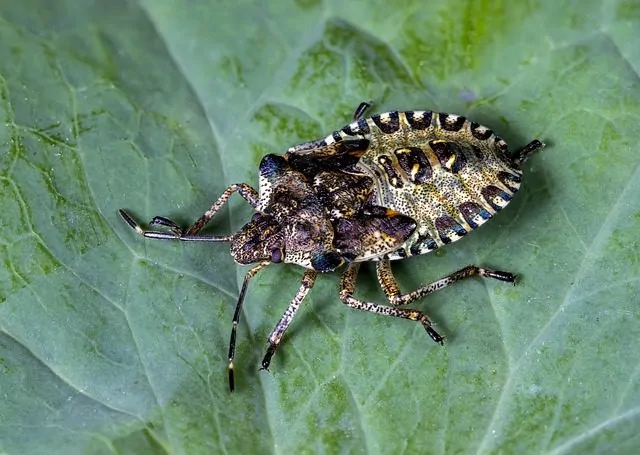
Stink bugs are those creatures you are told not to kill, for if you do, they will emit a terrible smell. For those who may not know, stink bugs are insects characterized by a distinctive shield-like shape and are usually mottled brown or gray. They emit a foul odor when threatened by glands in their abdomen. You may ask, beyond the foul smell, which is a significant concern, what other issues can they cause? They seem harmless. While they are not as dangerous as other pests, they still can pose a serious threat to the health of people living in your household and you. In this article, we will discuss the dangers they cause, when they are most active, steps you can take to mitigate the risks, and when to call a  stink bug pest control service.

When are stink bugs most active in households?

Stink bugs are most common in households during the fall season. The primary reason for this is the temperature. As the weather gets cooler and the days get shorter, stink bugs seek warmer places to avoid the cold. During the winter, stink bugs enter a state of dormancy known as diapause, where they do not feed. It is essential, therefore, for them to find a suitable place; households usually provide an ideal environment for them. This can generally create a domino effect; if one bug finds a shelter site, it releases pheromones that attract other bugs to the exact location. 

Where can you find them and what kind of harm can they cause?

You can find stink bugs in areas such as attics, near windows or doors, cracks and spaces in the wall, or crawl spaces. While it is true that stink bugs don’t cause structural damage to your property, they can cause harm in other ways. They can contaminate food items, especially fruits and vegetables, making them unsuitable for consumption. Regarding the issue of odor, it can also cause allergic reactions in some individuals. 

How to prevent a stink bug infestation?

Instead of dealing with an infestation, preventing one is the more cost-effective solution. There are many ways to do this, including: 

Sealing Entry Points – Random openings around the house are common ways that stink bugs and other insects enter people’s homes. Using materials such as caulk to seal gaps around windows or doors can help block them from entering. 

Focus on Window Screens – Ensuring that your window screens are not damaged is also very important, as broken screens are another common point of entry. If it is broken, ensure that you repair it immediately. It is also essential to ensure that there is proper sealing around your windows and doors to prevent gaps where stink bugs can enter. 

Water & Food Sources – Another effective method is to eliminate food and water sources that attract stink bugs. Making sure to clean up any leftover food and ensuring there are no crumbs around the house can also help reduce the likelihood that stink bugs will enter your home. Eliminate Standing Water – Standing water can also attract stink bugs; therefore, it would be helpful to repair leaky pipes and faucets and ensure proper drainage throughout your home. 

Exterior Lights Can Also Attract Stink Bugs – Eliminating attractants outside your house is also effective. Stink bugs are attracted to light; turning off exterior lights or relocating them to another area may prove helpful. 

Clean up Your Yard – It also helps to clean up your garden to make sure that stink bugs have no place to hide, such as in dead leaves. 

How to get rid of stink bugs already inside?

Okay, so you didn’t prevent them, and now they’re in the house. No worries, there are absolutely ways to handle this issue as well. It is important to state from the get-go, DO NOT CRUSH THEM YOURSELF, unless you want your house to stink for a bit. 

To quickly eliminate them, a helpful method is to use a vacuum cleaner and dispose of the bag immediately outside. 

Another solution is to mix soap and water and spray it on the bugs; the soap disrupts their ability to float, thereby drowning them. 

It is also important not to use insecticides inside the house, most of them are not effective against stink bugs and may be harmful if used indoors. 

Can Pest Control Get Rid of Stink Bugs & When to Seek Help From Professional Services?

If stink bugs have already migrated into your home, it’s best to contact a pest control service to help manage the infestation. Professionals can inspect your home and perform treatments using approved methods to treat the perimeter and interior as needed.

These services are provided by professionals who understand how to best address the issue based on factors unique to your situation. They are also able to implement preventive measures to ensure that an infestation like this does not occur again. If you are looking for services that offer Pest Control in Aurora, Naperville & surrounding areas in Northern Illinois, feel free to contact Yosemite Pest and Rodent Solutions, Inc at (630) 779-7674.

Yellow Jackets in Illinois: How to Identify, Avoid, and Eliminate These Aggressive Pests This Summer

Yellow Jackets is sitting on floor

Imagine it is a warm summer day, the sun is out, the weather is warm, and the bees are buzzing around your splendid garden. However, upon closer inspection, these bugs don’t resemble bees; they appear to be a little more yellow and slender. You brush this off and think it’s no big deal. However, these bugs start to become more aggressive to the point where you have to rush inside. What you encountered was not a bee but a yellow jacket. 

You may ask, what is a yellow jacket? Why would it be more dangerous than bees? If they are more destructive, what should I do when I see them in large numbers?  You may wonder how to get rid of yellow jackets? We will answer these questions and more, so that, as Illinois residents, you can gain a deeper understanding of these creatures and learn how to best deal with them this summer. 

What Are Yellow Jackets?

Yellow jackets are a type of social wasp. They are yellow and black and more slender than bees. They reside in nests that they build in areas such as underground burrows, tree cavities, sheds, wall voids, and attics. Yellowjackets tend to be most active during the late summer/early fall, from around August to October. This is due to two reasons. 

First, their population peaks around this time, as the queen lays eggs throughout the summer, and they hatch during this period. 

Second, food resources become scarce in late summer/early fall, making yellowjackets more aggressive in their search. 

Dangers of Yellow Jacket Infestations

Yellow jacket infestations can be hazardous for several reasons. 

Aggressive Behaviors – One reason is a propensity for aggressive behavior; unlike honey bees, yellowjackets can be highly aggressive, even against humans. As stated before, yellowjackets become particularly aggressive during the late summer and early fall. Yellowjackets can often sting human beings; however, unlike honey bees that die after one sting, yellowjackets can and do sting people multiple times. These stings can be quite painful and cause swelling, itchiness, redness, and harmful allergic reactions in people who are allergic to yellow jacket venom. 

Property Damage – If left unchecked, yellow jackets can also expand their nests to include areas in or around your house; this could lead to potential damage to your property since they would need to chew through wood and drywall to build such nests. Having them near your home also increases the likelihood that you or one of your family members will be stung by them. 

Disruptive Behaviors – They are also attracted to sugary substances, grease from the grill, or protein from your food, which can potentially cause issues if you or your family decide to have a summer outing in your backyard or other open space. 

Step-by-Step Guide to Yellow Jackets Removal In Illinois

Identification of Yellow Jackets – The first appropriate step would be to identify any yellow jackets in your area. Have you seen them? How often do you see them? Is it just one at a time or multiple? If it seems like an issue, it would be helpful to try to locate the next one. As stated before, nests can be found in attics, sheds, wall voids, landscaping, and holes in the ground.

Call a Professional Yellow Jacket Extermination – If you spot yellow jackets, call a professional pest control service to safely have them eliminated. We suggest not eliminating them on your own. This is especially true if there are multiple nests in the house, which would indicate a significant presence of yellow jackets on your property and make it extremely difficult and dangerous to try to eliminate them yourself. 

Prevention Tips from Yellow Jacket Exterminator near You

There are many steps you can take to prevent this issue from arising in the first place. One such method would be sealing any entry points into your home, such as gaps or cracks in the perimeter. Using caulk or another sealant would be effective in blocking these potential entrances. 

Another effective method is to pack up any leftover food and clean up any spilled liquids, such as water or lemonade. Food sources can attract yellow jackets, especially when food sources outside are scarce, and it is therefore essential to minimize any food and water resources that would attract them inside your home.

Another helpful method would be regular inspection by a pest control service. It is challenging to identify potential signs of a pest infestation continuously. Hiring a professional service would be helpful, as they have the tools and knowledge to identify possible signs and take the appropriate steps to prevent any issues from arising. 

Conclusion

Yellow jackets are not always a threat; they can be beneficial to the environment, as they help control insect populations that harm crops and aid in pollination. However, they can also pose a significant danger for multiple reasons ranging from damage to structural property to their painful and potentially dangerous sting. For these reasons, it is essential to understand the risks they pose, what you can do to eliminate or prevent an infestation from occurring, and when to seek a professional pest control service

If you are looking for services that offer Pest Control in Aurora, Naperville & surrounding areas in Northern Illinois, feel free to contact Yosemite Pest and Rodent Solutions, Inc at (630) 779-7674.

Top 5 Wasp and Yellow Jackets Exterminators in Aurora, Naperville and Surrounding area: Who to Call for Immediate Relief

wasps exterminator pest Services in Aurora & Naperville, il

Wasps are related to bees but do not provide honey, are very aggressive, and not very likable creatures! 

On a serious note, wasps can cause severe damage to your property and your loved ones. Wasps can sting multiple times, unlike bees that die after a single sting. Yellow jackets can also cause structural damage to your property primarily through nest-building activities such as chewing through wood and spreading moisture to surrounding wood, causing decay. 

For these reasons, it is important for Aurora, Oswego & surrounding city residents to hire a professional wasp exterminator in Aurora. It is also important to know the best services, their names, what specific services they provide, pricing, etc. Therefore, in the guide, we will help readers find the best wasp control services near them.

Why do you need a professional wasp or yellow jacket exterminator?

Professional wasp exterminators are important for many reasons, one of which is safety. It is incredibly risky to get rid of wasp nests unless you are a professional. 

Exterminators have access to high quality protective gear that can help shield them from dangerous stings while they carry out their operation. They also are knowledgeable about different types of wasps and kinds of operations that are warranted for different types of wasps. Finally, it is cost-efficient; professional wasp exterminators also specialize in implementing preventative measures to ensure that these infestations do not occur again, saving money in the process. 

Top 5 Wasp Exterminators in Aurora and Surrounding Areas

Yosemite Pest Control

  • Services: Yosemite Pest Control offers eco-friendly integrated pest management services for pests ranging from mice to wasps to ants. It provides both extermination and maintenance services.
  • Customer Ratings: 5-stars on Google
  • Pricing: Available on Request

Enviro-Pro Professional Pest Management, Inc

  • Services: Enviro Pro offers a wide variety of pest control services for pest service for all your pest problems, including termites, carpenter ants, rodents, flying and crawling insects, fleas, roaches, etc..
  • Customer Ratings: 4.3 stars on Google
  • Pricing: Customized Plan
  • Contact: 630-299-3069

Pest Arrest Pest Control

  • Services: Pest Arrest Pest Control provides services for both commercial and residential clients. These services include inspections and preventative measures. 
  • Customer Ratings: 5 stars on Google
  • Pricing: N/A

Fox Valley Termite & Pest Control

  • Services: Fox Valley Environmental family-owned pest control company serving the western suburbs of Chicago since 1990.  
  • Customer Rating: 5.0 stars on Google
  • Pricing: N/A
  • Contact: 630-513-8120

Terminix

  • Services: Terminix offers a wide range of pest control services such as termite control, wasp control, and bed bug control. 
  • Customer Rating: 5.0 stars on Google
  • Pricing: N/A
  • Contact: (866) 358-6339

How to Choose the Best Wasp Exterminator Near You

Multiple factors are involved in choosing the best wasp exterminator service. Many of these factors are individual and pertain to your unique circumstances, such as where you live and the severity of the issue. 

However some factors are essential to look at regardless of individual situations:

  1. Years of Experience – This matters in almost every professional pest service, and wasp extermination is no outlier. Experience allows professionals to accurately identify pests, understand their behavior, and develop effective treatment plans. It also provides them the ability to spot problems before they become out of control.
  2. Eco-friendly Services – Nobody prefers harsh chemicals in their vicinity that could harm pests, kids, and other loved ones. Opt for pest control services that provide safe and eco-friendly pest control in Aurora, IL. Considering the harm pesticides can cause, finding a service that understands the potential harm and acts accordingly is important. 
  3. Fast response time – Another incredibly important factor is for a service to have a fast response time to an emergency wasp removal due to the risks in human health and safety. 

How to Prevent Wasp Infestations in Your Home & Yard

There are many ways you can prevent a wasp infestation from occurring. Some of the ways are:

  • Keep household trash cans covered and make sure they are washed regularly. 
  • Walk around the property and search for any new nests. It is best to get rid of them early on before they become trouble.
  • Seal any gaps around the perimeter of your house, such as your patio, deck, etc.
  • Seal gaps around your windows and repair any holes in your windows.
  • Adding plants around your house can also prove useful, as some help prevent wasps. Some useful plants are peppermint, citronella, and marigolds. 

Are All Wasps Bad?

Absolutely not! Many types of wasps are not aggressive and are great for biological control since they prey on many pests, such as stink bugs and caterpillars. The issue mainly arises when wasps build their nests close to our living spaces. At that point, it can cause problems. Due to this, it is best to make your home unattractive to wasps or prevent current new nests from increasing in population using the methods described above and more. 

Did you know that solitary female wasps are not aggressive as they only feed their babies; social wasps are known to be assertive. There are several types of wasps, some more aggressive than others, such as yellow jackets and bald-faced hornets (Southern Living). 

Wasps infestations are no joke. Wasps, while not dangerous all the time, can cause harm to yourself and your property. For these reasons, it is essential to understand why seeking a professional pest control service that does wasp extermination is incredibly important. If you live in Aurora, knowing the best services in your area regarding wasp extermination can be very handy.

If you are looking for services that offer Wasp Extermination Control in Aurora, Naperville & surrounding areas in Northern Illinois, feel free to contact Yosemite Pest and Rodent Solutions, Inc at (630) 779-7674.  

Clover Mites: How to Identify, Prevent, and Get Rid of These Tiny Red Invaders

Spider Control Service in Aurora

If you’ve ever noticed tiny red specks scurrying about your windowsills or walls, then you’ve probably had the displeasure of dealing with clover mites. Tiny as they are, these pests can be a nuisance, particularly when they take over your house by the hundreds.

Many people are unsure of what clover mites are; however, it is important to know what they are and what steps you can take to prevent damage. In this article, we will touch upon all the points mentioned above. Including clover mites pest control and more. 

What Are Clover Mites?

Clover mites are tiny plant-feeding arachnids, like spiders, ticks, and scorpions. They are about 1/64th inch long, have a tiny head, and have an oval-shaped body. They can vary in color from rusty brown to dark red. They usually live and reproduce outdoors but occasionally enter people’s houses. They are most active during the Spring and Fall months since they thrive in slightly cooler temperatures, and their eggs hatch during these seasons. 

What Kind of Damage Can Clover Mites Cause?

Clover mites actually cause little damage themselves. They cannot sting or bite people, nor can they cause substantial damage to your property. When they become large in numbers, they can start to become a nuisance, so it can be helpful to find ways to get rid of them or reduce their numbers (Iowa State University). 

How to Identify a Clover Mite Infestation?

There can be many signs of a clover mite infestation; one obvious way would be to see one in the house or around it. As said before, clover mites can range in color from rusty brown to dark red and are about 1/64th inch long. They can be found inside the house on windowsills, cracks, or crevices. If you also see reddish stains around the house, that could also be a sign as clover mites leave a reddish stain whenever they are crushed.

How to Prevent Clover Mites from Entering Your Home?

One effective way you can prevent clover mites from entering your home is by ensuring there is little to no grass or vegetation near the house’s perimeter. Clover mites live in grass and primarily feed off of the sap. It is recommended that the grass-free zone be 18 to 24 inches wide from all sides (University of Missouri). 

Another helpful method would be to seal up entry points such as cracks or crevices. Clover mites sometimes enter people’s homes through openings at the house’s perimeter. Some areas that are common points of entry are windows, doors, or the foundation. 

If you are unable to avoid having vegetation such as plants near your home’s foundation, bordering your home with dry, non-organic material could help separate them from the foundation. Using pea gravel to surround the perimeter of your home can help as it does not retain moisture like organic mulch (e.g., wood chips), making it less attractive to clover mites and other pests. 

It is also important to seek a professional pest control service that specializes in clover mites and have them conduct regular inspections of the house. They are well-trained to identify any possible signs of an infestation, so having them check the house every once in a while is also another effective way to prevent a clover mite infestation. 

How Do You Get Rid of Clover Mites?

There are natural and chemical methods you can use to get rid of clover mites. 

One natural process is to vacuum your house regularly; vacuum any areas where you spot clover mites and do it regularly; always make sure never to squish them as they leave red stains, and always dispose of the vacuum bag immediately to prevent them from being released back into the house. 

Another way would be to use diatomaceous earth or essential oils and apply them around the perimeter of your home. Diatomaceous earth specifically can dehydrate clover mites by absorbing their waxy coating. 

One method that involves using chemicals is applying insecticide around the perimeter of your house since insecticides can also kill clover mites. Disclaimer: Always read and follow label directions carefully!

When to Call Professional Pest Control

At any point, you can call a professional pest control service to help deal with a clover mite issue. 

However, when clover mite infestation becomes large, which can cause them to be a serious nuisance to your property, that would be definitely the time to call a professional pest control services in Aurora

In addition, if you have tried all the methods, whether to prevent them from coming on or eliminate them, and the problem isn’t resolved – at that point, it would also be helpful to call a professional service since they may have the knowledge and tools necessary to carry out best practices to eliminate clover mites from your property. 

You can also contact them if there seem to be many clover mites outside your house and you worry that they may find a way to enter your home. 

To recap, clover mites cannot cause any sort of bodily harm or property damage. However, they can become a nuisance if they appear in larger numbers. Implementing preventative measures and measures that eliminate them if they have already entered your home are important. 

The most effective measure you can take is to call a professional pest control service and have them eliminate the issue and/or prevent a future infestation from occurring. If you are looking for services that offer Clover Mites Extermination in Aurora, Naperville & surrounding areas in Northern Illinois, feel free to contact Yosemite Pest and Rodent Solutions, Inc at (630) 779-7674.

Top 5 Proven Ways to Get Rid of Ants in Your Property

Ants may seem harmless beings, but as a collective, they have the potential to cause wide-ranging harm. These can range from structural damage to health risks to damage to the surrounding environment. Invasive ant species, such as fire ants, cause up to $6.7 billion in damage annually (Ant Pest Community of Practice). 

An ant infestation can be hard to detect early on; often, it is too late before homeowners are able to identify one. For these reasons, people must know the specifics about ant infestations, the different types of ants, and the proven ways to get rid of ants on your property.

How to Get Rid of Ants: Identify the Type of Ants in Your Property

Not all ants are the same; there are differences between them, and this is important because specific ants can cause particular kinds of damage, but not all of them cause the same amount of damage. 

Carpenter Ants are perhaps the most common ants found around homes. They are blackish and range in size from around ¼ to ¾ inch. Their diet consists of anything that humans also eat. They are known for their ability to burrow into wood and create intricate tunnels and nests that can cause damage to the structural integrity of your property. They establish these nests at different locations, such as tree stumps, hollow logs, wall voids, attics, or other large pieces of wood.

Another type of ants are pavement ants. Pavement ants range around ⅛ to ⅙ inch and are typically of blackish brown color. They set up nests in places such as cracks in pavement or under floors inside a house. Their food preferences are mainly sweet and greasy foods. 

Finally, little black ants are a common household pest in Illinois. These tiny insects are known for their persistence and ability to infiltrate even the cleanest of homes. While they may seem harmless, little black ants can pose a significant threat, contaminating food sources and potentially spreading diseases.

It is also important to identify whether an ant infestation is actually occurring. Identifying one or two of these ants is not sufficient to determine if there is a bigger problem. A sign of such an infestation would be a small buildup of soil outside your house since ants use soil to help build their nests. Another sign could be tapping on wood surfaces to hear a hollow sound since this would indicate that there has been damage done. Finally, spotting a large ant colony is the clearest indication that ant infestation has occurred.

How to Get Rid of Ants in House Using Natural Remedies

One natural remedy is using a mixture of water and vinegar and spraying colonies and perimeter of your home as vinegar repels ants by disrupting their scent trail. 

Baking soda and sugar mixed in equal parts is also a natural remedy to eliminate ants as ants are attracted to the sugar and carry it, along with baking soda, which then kills the ants. This can be applied to perimeter areas, such as sills and entrances.

Another natural repellant is lemon juice. Its acidic nature also disrupts the scent trails ants use. It can be used as a spray by mixing with water or freshly squeezed and applied to areas such as window sills. 

Prevent Ant Infestations: Seal Entry Points and Eliminate Food Sources

Preventing infestations is the most effective method to keep your property ant free. 

Sealing entry points and eliminating food sources effectively prevent an infestation. When it comes to sealing entry points. It is essential to identify any cracks or openings on the exterior of your house and determine whether they could be potential entry points. When looking for cracks or gaps, keep in mind that they are most likely to appear near doors or windows. When identifying these areas, using proper sealants such as silicone-based caulk is essential. 

Eliminating food sources for ants is also another effective method since ants enter people’s homes to find food sources. Tasks such as cleaning up leftovers and ensuring there are no leftover crumbs to clean up after any liquid spills help eliminate potential food sources for ants. 

How to Get Rid of Carpenter Ants with Commercial Solutions

One commercial solution you can use is an ant bait station. Ant bait stations are essentially areas along ant trails where you can set any ant bait to help lure them away from home. These baits can also be mixed with insecticides, which can harm the ants.

Another way is to use insecticides on its own, such as diatomaceous earth. An insecticide that can be applied to ants at the nesting site. It causes dehydration and, therefore, kills them. 

Hire an Ants Exterminator in Aurora for Guaranteed Results

It is essential, however, to emphasize the importance of seeking professional help if the infestation becomes too severe. If you are a resident of Aurora, IL, it is always best to find a professional service such as ant exterminators in Aurora if the infestation becomes too much. 

Professional pest control services offer tailored solutions crafted by experts. They can determine the specific issue regarding your situation and use their expertise and the tools at their disposal to help you solve the issue. 

If you use a pest control service for ant treatment, there are a few things you should expect. First, they will conduct a thorough inspection of your house, both inside and outside. They will look for various points of entry, the specific ant species present, and any potential food sources. Afterwards, they will create a tailor-made plan that could include setting up bait, using insecticides, etc. 

It is important to understand the risky nature of an ant infestation and know what steps you can take to solve the issue if it arises and prevent it in the future. However, it is always better to consult professional pest control services in Aurora, IL whenever the infestation becomes a serious issue. 

If you are looking for services that offer Ants Extermination Control in Aurora, Naperville & surrounding areas in Northern Illinois, feel free to contact Yosemite Pest and Rodent Solutions, Inc at (630) 779-7674. 

Integrated Pest Management (IPM) Tips for Effective Seasonal Ant Control

Seasonal Ant Control

Ah yes, ants, those friendly creatures in Bugs Life, right? Not exactly. While ants at many times are harmless, they can also pose a significant risk to your property. Ants are known to cause significant damage to people’s homes. For this reason, it is important to understand the effective methods used to ensure that this damage does not occur.

Integrated Pest Management (IPM) is the gold standard for pest control, including ant control. It is essentially a combination of various pest control techniques mainly centered on monitoring pests, structural measures to prevent pests from gaining a foothold in your property, and minimizing damage. This method is useful due to its holistic approach to tackling pest infestation issues, both working at prevention and elimination of pest issues that are  

environmentally friendly as well.

In this article, we will discuss effective pest management services.

Understanding Ant Behavior and Seasonal Patterns

Ant activity tends to increase around the springtime. They emerge during the spring due to a variety of factors such as longer days and warmer weather. Ants are cold blooded creatures that rely on external heat, and so they become more active when the weather starts to heat up. Spring also coincides with ants’ mating season. Some of the most common types found in Illinois are carpenter ants, pavement ants, and little black ants. 

Carpenter ants are the most visible ants found in and around homes. They range in size around ¼ to ¾ inch and are typically blackish in color. Their diet consists of anything humans eat.

Pavement ants are ants that range around ⅛ to ⅙ inch and are of blackish brown color.

Little black ants are about 1/15 inch long and their nests are usually outdoors, in the soil, or under objects. (Mississippi State University).

Implementing IPM Strategies for Ant Control

Prevention Techniques: 

One of the important aspects of IPM is preventing a pest invasion from occurring in the first place. This involved a variety of techniques used such as:

  • Sealing any potential areas of entry
  • Regularly removing trash
  • Installing barriers such as screens
  • Removing standing water

Monitoring and Identification:

If an infestation has occurred, it is important to first identify the pest or pests causing the issue and have frequent monitoring of the house. The signs vary among each pest, for example, winged termites will often leave discarded wings on window sills, signs of a mouse can be scratching sounds during the night (EPA). For ants, finding ants in unusual places, finding ant trails, observing ant nests are some signs that an ant infestation has occurred.

Monitoring will involve regular inspection to see what kind of pests are still there, how many, and how much damage they have done. Both identification and monitoring are key to determining the correct strategy to take, one that reduces the unnecessary use of pesticides and prevents elimination of beneficial organisms (IPM). 

Control Methods:

There are two particular control methods that can be used in IPM: Chemical and non-chemical pest control. 

Chemical control involves the use of pesticides that are mainly chemical substances used for pest control. While they are beneficial due to their effectiveness and quick results, they can also be very toxic, causing harm to people and animals if they ingest them. Due to this, chemical uses are used sparingly when implementing an IPM strategy. 

Non chemical pest control, such as biological pest control, is the use of natural organisms such as predators or parasites to get rid of pests. Due to the fact that this method uses natural mechanisms to get rid of pests, it is more environmentally friendly and does not damage the ecosystem.

Benefits of IPM in Ant Control

The benefits of using IPM for ant control are the same benefits of using IPM in general. IPM is less hazardous to human health due to its limited use of chemical methods. It is likely to give more long term control since it includes not just eliminating any current pest issues but continuous monitoring of the situation as well as implementation of preventive techniques to ensure future infestations do not occur. It is easier to carry out safely and effectively since it has less of a risk of harming people or pets in your household, is more cost effective insofar as it reduces damage done to your property, and it less toxic to non-target organisms (PSU). 

To summarize, Integrated Pest Management has various benefits that other methods do not have. 

  1. It incorporates a variety of methods that involve prevention, elimination, and monitoring of pest infestations. 
  2. It is also environmentally friendly and actively tries to prevent usage of chemicals. For these reasons, at Yosemite Pest and Rodent Solutions, we apply an IPM strategy for pest issues including ants. 
  3. Pest control services are important, not only in eliminating pests from your area, but also ensuring long-term prevention of these pests from your property. Therefore it is important to look for the right pest control service near you. 

If you are looking for services that offer Pest Control in Aurora, Glen Ellyn, Naperville, and many other cities in the Chicagoland area, feel free to contact Yosemite Pest and Rodent Solutions, Inc at (630) 779-7674. 

5 Spring Pest Control Tips for Homeowners

Pest Control in Plainfield

Even though Chicago is in the midst of a winter weather freeze, spring is right around the corner when weather gets warmer, days get longer, and the flowers start to blossom. And while it is exciting to observe honey bees make their rounds and pollinate your beautiful white wild indigos, there are other bugs you may also need to observe, and some of them don’t exactly pollinate your flowers. 

During this time of year, many pests cause various issues in people’s homes and property. The issues can range from structural damage to bodily harm to health. In this article, we will discuss some of the common pests households may see during springtime and tips for homeowners on what steps they should take in response to the potential danger. 

Common Springtime Pests in Illinois: 

Ants: Ants are a common pest that start to become most active around spring, specifically around March. Ants are cold blooded and therefore they rely on external sources of heat, hence they become more active as the weather starts to warm. 

There are also dangers of spring floods, which can damage their nests, causing them to seek shelter indoors. Here they can cause various problems such as infesting common food sources, weakening wood in critical structures, and transmitting diseases in some cases (UMN). 

Wasps: Wasps start to become more active during the spring, mainly because their period of hibernation ends around February to March. 

During this time, fertile female wasps will leave their current spot and branch out to create new colonies. 

One of the obvious dangers of a wasp is their ability to sting, however, unlike bees who sting and then die right after, wasps can sting humans multiple times. This can be especially dangerous to people with certain allergies, in which case wasp stings can sometimes be life-threatening. 

Wasps can also cause structural damage by creating nests within property structures. If nests expand, this could cause even more damage since wasps are also able to chew through wood and therefore weaken the structural integrity of the house.

Termites: Termites are common during the spring time due to the warm weather and the fact that their mating season is also during this time. 

Subterranean termites consume wood, specifically the cellulose in the wood. If termites make it inside your home, they can cause damage to any type of damp wood in your house, potentially causing large amounts of structural damage. 

5 Spring Pest Control Tips :

1. Look out for Signs of Pest Control :

Ants: There may be multiple signs of an ant infestation. Look out for damaged property, such as soft spots and crumbling edges. 

Large piles of soil is another sign since ants usually build large nests composed of soil, therefore take notice if you see random piles of soil in your lawn. 

Another sign you can notice is if you tap on certain wood surfaces and the noise indicates its hollow, this could be another sign since carpenter ants excavate wood.

Wasps: A simple sign of a wasp infestation is you happen to see more of them around your house, indicating a strong base on or near your home. 

Looking at areas such as attics or crawl spaces might even lead you to identify a nest in those areas, also indicating an infestation. 

Another sign is seeing tiny holes in wood spaces, which can be attributed to wasp construction activities. 

Termites: Termites are also a common springtime pest. One of the signs of a termite infestation is discarded termite wings. Certain termites such as swarmers or alates usually shed their wings when they have found a place to settle, which might just be your house. 

Spotting mud tubes in areas right outside your house is also a strong sign. Termites construct mud tubes to transport underground, indicating a strong presence in your home. 

2. Keep your home clean:

Basic tasks such as taking out the garbage daily, cleaning up any sort of spills immediately, and sweeping floors are effective ways to prevent pest infestation. 

Pests such as ants are attracted to leftover foods that are outside, water spills, and water sources such as drains. 

3. Keep Your Outdoors Clean: 

It is also important to keep the outside of your home clean. Lawn mowing regularly and cleaning up any leftover food or crumbs after a picnic or a dinner on the patio can also help prevent pest infestations. Ensure you keep your foundational shrubs trimmed and firewood away from the house. 

Make sure there is no standing water around your property as these can be breeding grounds for mosquitoes. Standing water may be found in pots, water fountains, children’s pools, buckets, bird baths, trash cans and more.

4. Seal Your Home:

Sealing your home is also important. Specifically, it is important to seal any holes or gaps in the base of your home, loose window screens, or holes in the walls or on the roofs as well. 

5. Call a Professional Pest Control Service:

Spring can be a beautiful time of year, but it can also be unpleasant if you do not take the proper measures to insure a pest infestation does not occur. If one does, however, it is best to call a professional pest control service to handle the issue. If you are looking for services that offer Pest Control in Naperville, Pest Control in Glen Ellyn, Pest Control in Aurora, and many other cities in the Chicagoland area, feel free to contact Yosemite Pest and Rodent Solutions, Inc at (630) 779-7674. 


Are Spring Ants Dangerous and How Do I Get Rid of Them?

Spring Ants

Spring is a beautiful time of year, especially in Illinois. The weather becomes warmer, flowers start to bloom, and honey bees come out to pollinate your garden. However, there is another bug that also comes out of the shadows every spring and has the potential to cause damage to your health and property: ants. 

Ants may seem harmless due to their small size, but as a unit. They can cause tremendous harm. Ants infestations are a common occurrence during the spring due to a number of factors. Ants are cold blooded, therefore they rely on external sources of heat, hence they become more active as the weather starts to warm. There are also dangers of spring floods, which can damage their nests, causing them to seek shelter indoors. 

In this article, we will discuss the kinds of damage ants can cause, how to identify an infestation, how to prevent infestations from happening, and what steps to take when one occurs. 

Understanding Different Kinds of Ants:

Before we discuss damages caused by ants, it is important to understand different types of ants we see in Illinois so we understand variations in type of infestation and prevention strategies.

Carpenter Ants: 

Carpenter ants are the most noticeable ants found in and around homes in Illinois in spring and remain active through early fall (IDPH). 

They can be recognized by their size and color. They range in size around ¼ to ¾ inch and are typically blackish in color. 

They will establish nests at different locations such as tree stumps, hollow logs, or any other large piece of wood. The best way to target carpenter ants is to destroy the parent nest with dust of residual insecticides. Finding the carpenter ants colony can be difficult.

They have an ability to burrow into wood and create intricate tunnels and nests that can cause damage to the structural integrity of your property. 

Their diet consists of anything that humans eat, i.e., carbohydrates or proteins.

Pavement Ants: 

Pavement ants are smaller than carpenter ant; they range around ⅛ to ⅙ inch and are of blackish brown color. 

Pavement ants become most active in Spring and early summer. They can travel more than 30 feet from their nest in search of food. 

They set up nests outdoors next to structures, under cracks of pavement, under floors and insulation, etc. They enter through cracks or other openings in search of food. Their preferred foods are greasy and sweet food. 

The best way to eradicate pavement ants is to place baits along their trails. The worker ants are likely to carry the bait to their nests, helping eradicate entire colonies.

Little Black Ants: 

Little black ants are about 1/15 inch long and their nests are usually outdoors, in soil, or under objects. 

These ants have large colonies with many queens. They are known for their ability to infiltrate even the cleanest of homes due to their persistence. 

They can potentially contaminate food sources and potentially spread disease (IDPH). 

Like pavement ants, placing baits along their trails or places where they are primarily found is the best way to eradicate them. 

What Kinds of Damage can Ants Cause?

There are many types of damages that ants can cause. 

Ants of all types can bite other people if they believe they are being threatened. This bite, although not considered to be very dangerous, if left alone, can cause the skin to become infected. 

Fire ants, which are ants found in the southern states, can sting people, injecting venom in the process. The effects of the venom can vary from swelling and redness to chest pain and dizziness. 

Ants can also cause significant damage to your home. Ants, such as carpenter ants,  usually build nests in hollow surfaces and wood that is weak. They can cause damage to it by digging tunnels throughout the structure, causing large amounts of damage. 

Ants can also cause outdoor problems. Most ants set up colonies underground in dirt. Since ants are omnivores, they consume various food sources such as plants and animals. This can cause considerable damage to people’s gardens and is something they should be on the lookout for. 

Ants can also cause unseen problems. Ants, such as farming ants, secret pheromones that attract their prey, one of these prey being aphids, which can also cause large amounts of damage to your property. 

How to identify an ant infestation:

For ants, there are multiple signs that your house may be infested by ants. 

If you are outside the house and see large build ups of soil, that may be a sign since ants build their colonies’ nests by building large amounts of soil. 

Another sign may be tapping on certain wood surfaces, such as soft spots and crumbling edges; this may indicate damage done to these surfaces by ants. 

How to prevent ant infestation:

Keep Your Home Sanitized!

The most important way you can prevent an infestation is by keeping your home clean. Tasks such as taking out the trash daily, cleaning any food or spills on your floor, and sweeping your house floor regularly. Ants are attracted to leftover foods and water spills. 

Keep Your Outdoors Clean

Keeping your house clean on the inside alone is not the only solution. Making sure the outside of your house is clean is also important by lawn mowing regularly, trimming foundational shrubs, keeping firewood away from the house, and inspecting the foundations for rotting wood and other nesting sites. 

Seal Entry Points

It is also important to seal any potential entry points on the outside of your house. Holes, cracked in window sills, etc, are potential entry points for ants to enter your house. 

How to Control Ants: Call a Professional Pest Control Service

Spring can be a beautiful time of year, but it can also be unpleasant if you do not take the proper measures to ensure an ant infestation does not occur. 

While it is important to take the necessary steps to prevent one, if infestation does occur, it is best to call a professional pest control service to handle the issue. 

If you are looking for services that offer Ants Extermination Control in Aurora, Naperville & surrounding areas in Northern Illinois, feel free to contact Yosemite Pest and Rodent Solutions, Inc at (630) 779-7674. 

5,500


Customers Served

2010


In Business Since

Less Than 2 Hours


Response Rate

5 Star


Client Rating

Yosemite Pest & Rodent Solutions, Inc
Monday - Friday: 07:00AM to 06:00PM
Saturday: 08:00AM - 04:00PM
Sunday: 09:00AM to 03:00PM