loader image
A Complete Solution For Any Pest Problem

Beyond the Spray: Why Eco-Friendly Pest Control Is the Smart Choice for Illinois Families

Eco-Friendly Pest Control

You want the pests gone, but not at the cost of your family’s health or the planet’s. That’s where Yosemite Pest & Rodent Solutions comes in, because keeping your home safe shouldn’t mean filling it with harsh chemicals.

Traditional pest control methods have long relied on heavy pesticide use to get fast results, but those chemicals can linger in the air, affect indoor quality, and even impact pets and kids. Today, homeowners across Illinois are turning toward a smarter, safer approach: eco-friendly pest control in Illinois.

By using plant-based treatments, targeted prevention, and sustainable techniques, green pest control eliminates infestations while keeping your home and the environment in balance. In this guide, we’ll explore how eco-friendly pest control works, why it’s just as effective as traditional methods, and how it’s shaping the future of smart, family-safe pest management.

The Problem with Traditional Pest Control

For years, the default approach to pest control has been simple: spray first and ask questions later. Those chemical-heavy treatments may remove pests quickly, but they often leave behind problems homeowners don’t see right away. Conventional pesticides can affect indoor air quality, seep into soil, and wash into local water systems. In Illinois, where humid summers and seasonal spraying are common, those chemicals can linger longer than intended and spread more easily into the environment.

Inside the home, older methods can create secondary issues like strong odors, sticky residue, and safety concerns for children, pets, and anyone with allergies or asthma. And because pests develop resistance over time, heavy chemical use can actually make some infestations harder to control.

More families are realizing that “more spray” doesn’t mean “better protection.” That shift has pushed homeowners across the state toward safer, smarter solutions like eco-friendly pest control in Illinois, which focuses on long-term prevention instead of chemical overload.

What Is Eco-Friendly Pest Control?

Eco-friendly pest control is all about protecting your home without relying on harsh chemicals. Instead of broad spraying, it uses low-toxicity, targeted, and sustainable methods that address pests at the source. This approach focuses on how pests behave, where they enter, and what attracts them, allowing for safer and more effective solutions.

The foundation of this strategy is Integrated Pest Management (IPM), a science-based method  built on careful inspection, sealing entry points, improving sanitation, and using minimal chemical treatments only when they’re truly needed. IPM emphasizes prevention first, making it a smarter choice for long-term protection. It’s the backbone of green pest control and a leading standard for family-safe pest control across Illinois.

Natural and Non-Toxic Methods Used by Pros

Modern professionals use a variety of natural and environmentally friendly tools to keep homes protected. Botanical or organic-based sprays, often made from essential oil derivatives, provide targeted control without leaving behind harsh residue. Baiting systems and mechanical traps remove pests safely and efficiently.

Habitat modification is another key component: reducing moisture, removing food sources, and sealing hidden entry points to keep pests from returning. Even disposal and sanitation follow eco-safe guidelines, ensuring every step of the process is part of a truly environmentally friendly pest treatment.

Together, these methods deliver a clean, sustainable, and highly effective way to safeguard Illinois homes.

Benefits of Eco-Friendly Pest Control for Illinois Families

Eco-friendly pest control isn’t just a trend, it’s a smarter, safer way to protect your home year-round. For Illinois families who want effective results without the harsh chemicals, green solutions offer real benefits that go far beyond simply getting rid of pests. Here’s what makes this approach worth choosing.

Healthier Homes

Eco-friendly pest control creates a safer environment for everyone who lives in your home. With low-toxicity treatments, you don’t have to worry about harsh chemical residue on floors, furniture, or countertops. It’s a cleaner option for families with kids who crawl on the carpet, pets who explore every corner, and anyone sensitive to odors or allergens. By reducing indoor air pollution and avoiding heavy chemical use, you’re choosing a healthier home from the start.

Long-Term Prevention

Unlike quick spray-and-go methods, eco-friendly pest control focuses on eliminating the source of the problem. By improving sanitation, sealing entry points, and using targeted treatments, pests are less likely to return. These methods also reduce the risk of pests developing resistance, which is a growing issue with chemical-heavy approaches. The result is longer-lasting control and better year-round protection.

Better for the Environment

Choosing green pest control supports the health of the environment around your home. Eco-friendly treatments protect pollinators like bees and butterflies, and they avoid harming non-target species that play a role in local ecosystems. By minimizing chemical runoff, you help reduce groundwater and soil contamination: a meaningful step in supporting Illinois conservation efforts.

Smart Investment

Eco-friendly pest control doesn’t just protect your home; it protects your budget. Because this approach is built on prevention, families experience fewer infestations and need fewer emergency treatments. Long-term plans save money by stopping pests before they cause damage, making sustainable pest management a smart investment for Illinois homeowners.

Eco-Friendly Doesn’t Mean Less Effective

One of the biggest misconceptions about green pest control is that “natural” means “weak.” In reality, modern eco-friendly solutions are thoroughly tested and proven to eliminate pests just as effectively as traditional treatments. The difference lies in the strategy. Instead of relying on heavy chemicals to force a quick fix, professionals use targeted, science-backed methods that treat pests based on their biology and behavior.

Today’s family-safe pest control options combine natural products with data-driven pest monitoring. Technicians track activity patterns, identify entry points, and use precision treatments that remove pests while preventing new ones from taking their place. This strategic approach produces stronger, longer-lasting results compared to old spray-heavy habits.

The expertise of trained technicians makes all the difference. At Yosemite Pest & Rodent Solutions, we use eco-friendly tools supported by professional inspection, customized treatment plans, and ongoing prevention. For complete home protection, explore our Residential Pest Control services and see how smart, sustainable pest management delivers 

How to Choose an Eco-Friendly Pest Control Partner in Illinois

Choosing the right provider is just as important as choosing the right method. Not all companies that advertise “green” services follow true eco-friendly practices, so it helps to know what to look for.

Start by asking whether the company uses Integrated Pest Management (IPM) as the foundation of their services. Providers who follow IPM typically hold certifications or eco-labels that show they prioritize inspection, prevention, and low-toxicity solutions. This is a strong sign that their approach is genuinely sustainable.

Next, ask which products they use and how often. A trustworthy partner will be transparent about its low-toxicity treatments and will avoid unnecessary chemical applications. Look for companies that emphasize long-term prevention plans rather than one-time quick fixes.

This is exactly how Yosemite Pest & Rodent Solutions operates, with a commitment to green methods, strategic prevention, and environmentally conscious care for Illinois homes.

Protect Your Home and the Planet with Eco-Friendly Pest Control in Illinois

Protecting your home shouldn’t mean putting your family or the environment at risk. With today’s safer, science-backed options, you don’t have to choose between effective results and responsible solutions. Eco-friendly pest control in Illinois offers a smart, sustainable path forward, giving you long-term protection without the heavy chemical footprint of older methods.

By focusing on prevention, low-toxicity treatments, and thoughtful pest management strategies, you can keep your home healthy, your air clean, and your surroundings protected. And when you partner with a company that understands both pest behavior and environmental stewardship, you get peace of mind that lasts.

With Yosemite Pest, you get solutions that are safe, strategic, and built to last, because protecting your home shouldn’t come at nature’s expense. Learn more about our Residential Pest Control services and explore the EPA’s guidance on Integrated Pest Management for additional eco-friendly insights.

Contact us today to schedule a free consultation, and get see how bug free and green can coexist in your home.

Sources

U.S. Environmental Protection Agency. Introduction to Integrated Pest Management. EPA, https://www.epa.gov/ipm/introduction-integrated-pest-management.

Khazaei, Mohammad, et al. “Eco-Friendly Pest Management: A Comprehensive Review of Sustainable Approaches.” ACS Omega, vol. 9, no. 2, 2024, American Chemical Society, https://doi.org/10.1021/acsomega.4c06628.

Rodent Season is Here: How Mice Sneak In When the Weather Cools

mice control aurora

There’s something cozy about fall in Illinois. The air gets cooler, the leaves turn bright and colorful, and everyone starts spending more time indoors. Unfortunately, so do the mice. As temperatures drop, these tiny invaders begin searching for warmth, food, and shelter, often finding exactly what they need inside your home.

Mice can sneak in through the smallest cracks and crevices, and once they settle, they don’t plan on leaving. They reproduce quickly, contaminate food, and chew through just about anything. That’s why now is the time to take a few smart fall rodent prevention tips seriously before the problem starts.

At Yosemite Pest & Rodent Solutions, we know how to spot rodent activity early and stop it before it spreads. Our local experts specialize in identifying where mice are getting in and keeping them out for good.

Why Fall Is Prime Rodent Season

As the weather cools and the days get shorter, rodents begin moving indoors to find warmth, shelter, and food. This shift in behavior happens every year as outdoor sources become scarce and your home becomes a safe, comfortable refuge.

Once heating systems turn on, the warmth inside attracts mice and rats to basements, attics, and crawl spaces. They can enter through tiny openings, following the scent of food or the promise of a cozy nesting spot.

As temperatures fall, more homeowners search for reliable mice pest control near me when these invaders start showing up inside. Acting early and taking prevention seriously helps stop small rodent problems from turning into major infestations as winter approaches.

How Mice Sneak In: Common Entry Points Around Your Home

When it comes to keeping rodents out, it helps to understand how mice get in your house in the first place. Mice are incredibly resourceful and can squeeze through openings as small as a dime. If you can fit a pencil through it, a mouse can fit through it too.

Here are the most common entry points homeowners should check:

Foundation cracks and crawl spaces

Tiny gaps along your foundation or in your crawl space give rodents direct access to your basement or lower levels.

Unsealed vents and utility lines

Openings around dryer vents, gas lines, or cables are easy targets. Mice often follow these pathways straight into your walls.

Gaps around doors and garage seals

Even a small space under a door or worn-out weatherstripping can invite mice indoors during cold weather.

Open chimneys or attic vents

Uncovered vents and chimneys make it easy for rodents to climb and enter unnoticed, especially in older homes.

Inspecting these areas regularly and sealing potential entry points can go a long way in protecting your home from unwanted guests this fall.

Warning Signs of Rodent Activity

Rodents are sneaky, but they leave behind plenty of clues if you know what to look for. Catching these early signs can make all the difference in preventing a full infestation.

Here are the most common indicators of rodent activity in your home:

  • Droppings near food areas, inside cabinets, or along baseboards and walls
  • Shredded insulation, paper, or fabric that may be used for nesting
  • Scratching or scurrying noises in the attic, crawl space, or behind walls
  • Grease marks or small footprints along walls or near entry points

Spotting these signs early and calling for professional rodent control Naperville services can prevent serious damage and protect your home from future infestations.

Professional Help vs. DIY: Why Timing Matters

When rodents move in, store-bought traps or poison might seem like an easy fix, but they rarely solve the entire problem. These quick solutions may catch a few mice but do little to address hidden nests or the rapid breeding that keeps infestations going.

The most effective approach starts with a thorough inspection and a customized plan. A professional Illinois home rodent inspectionwhich we do free of charge – which identifies entry points, nesting areas, and signs of ongoing activity that DIY methods often miss.

Our trained technicians know where to look, what to seal, and how to remove infestations safely. Acting early can prevent costly damage to insulation, wiring, and stored belongings while keeping your home clean, secure, and comfortable all season long.

How Yosemite Pest & Rodent Solutions Protects Your Home

At Yosemite Pest & Rodent Solutions, we take pride in being the trusted choice for Illinois homeowners. Our licensed, local experts have decades of combined experience and know exactly how to handle even the toughest rodent problems.

We use pet and family-safe treatments that protect your home without compromising safety or comfort. Our team is known for fast response times, reliable results, and guaranteed follow-up service that ensures your home stays pest-free.

Whether you need quick rodent control in Naperville or ongoing mice pest control near me, Yosemite delivers long-lasting results you can count on. We also offer preventive services such as exclusion sealing, home protection plans, and regular inspections to stop rodents before they return.

With Yosemite, you get more than pest control. You get lasting protection, expert care, and peace of mind every season.

Schedule a Rodent Inspection Before Winter Hits

You don’t have to wait until you hear scratching in the walls to take action. The best time to stop rodents is before they settle in for the winter. A professional inspection can reveal hidden entry points and prevent infestations before they start.

Schedule your Illinois home rodent inspection today with Yosemite Pest & Rodent Solutions, your trusted team for rodent control in Naperville. Our experts are ready to protect your home with effective, lasting solutions that keep rodents out for good.

Resources

Witmer, Gary W., and Susan M. Jojola. “What’s Up with House Mice? A Review.” 22nd Vertebrate Pest Conference, edited by R. M. Timm and J. M. O’Brien, University of California, Davis, 2006, pp. 124-130. eScholarship, https://escholarship.org/uc/item/64r826p6. eScholarship+1


“Signs of Mice.” Rentokil, Rentokil Initial plc, 2025, https://www.rentokil.co.uk/mice/signs-of-mice/.

Eco-Friendly Pest Control: Rethinking Chemicals and Embracing Integrated Pest Management (IPM)

Eco-Friendly Pest Control

When you think about pest control, you probably picture someone lugging around a big spray tank, fogging the place down with chemicals. But times are changing, and that old-school image doesn’t tell the whole story anymore. Today, more homeowners are asking for safer, smarter solutions that protect both their homes and the environment.

That’s where integrated pest management (IPM) comes in. Instead of defaulting to heavy chemical use, IPM focuses on prevention, monitoring, and targeted treatments that solve pest problems without putting your family, pets, or the planet at risk. It’s not just eco-friendly pest control; it’s a sustainable strategy designed to keep pests away for the long haul.

What Is Integrated Pest Management (IPM)?

What is integrated pest management? At its core, integrated pest management (IPM) is a strategy that prioritizes prevention and smart solutions over blanket chemical use. Instead of reaching for the spray first, IPM takes a step back to understand why pests are there in the first place, and then addresses the root cause. (Environmental Protection Agency)

The approach includes:

  • Prevention – stopping pests from getting inside by sealing entry points and removing what attracts them.
  • Monitoring – inspecting regularly to catch early signs of activity.
  • Targeted treatment – using the least-toxic methods first, with chemicals only when truly necessary.

The goal is balance: you get effective results without unnecessary exposure to harmful pesticides. It’s pest control that protects your home while also being mindful of your family, pets, and the environment.

Why Rethink Chemical Use in Pest Control?

For years, the default image of pest control has been “spray more, solve faster.” But here’s the truth: more spray doesn’t mean better protection. In fact, chemical-heavy methods often come with more risks than rewards.

The downsides of overusing chemicals include:

  • Health risks – Harsh pesticides can expose families and pets to harmful residues.
  • Environmental harm – Sprays don’t just disappear; they can affect soil, water, and beneficial insects like pollinators.
  • Pesticide resistance – The more pests are exposed, the more likely they are to adapt, making treatments less effective over time.

By shifting toward eco-friendly practices that reduce pesticide use, homeowners can keep their homes pest-free while minimizing the risks to health and the environment. It’s about solving the problem smartly, not just spraying it away.

The Core Principles of IPM

Integrated pest management (IPM) works because it’s not about one quick fix, it’s about layering smart strategies that actually last. Here are the four core principles: 

  • Prevention – The first line of defense. This means sealing cracks, repairing screens, storing food properly, and even adjusting landscaping to make your home less appealing to pests.
  • Monitoring – Regular inspections help spot early signs of activity before they turn into full-blown infestations. Think of it like catching a leak before it becomes a flood.
  • Targeted treatment – IPM uses the least-toxic solutions first, like traps or baits, and only moves to chemical treatments when absolutely necessary.
  • Ongoing evaluation – Because pests (and homes) change over time, IPM involves follow-ups and adjustments to make sure the plan continues to work.

Together, these steps build a smarter, safer system that keeps pests under control without overloading your home or environment with unnecessary chemicals. (Purdue University Extension)

Eco-Friendly Pest Control in Action

Eco-friendly pest control isn’t just a buzzword; it’s about using smarter, safer tools that actually work. Here are a few ways integrated pest management (IPM) puts greener strategies into action:

The benefits go beyond fewer chemicals. Families enjoy cleaner air and safer surfaces, pets don’t have to worry about harmful residues, and the environment gets a break from pesticide overload. It’s proof that effective pest control doesn’t have to come at the expense of your health or your home.

Local Impact: Sustainable Pest Solutions for Illinois Homes

Here in Illinois, homeowners deal with more than just the occasional ant trail. Local pests like rodents, mosquitoes, and seasonal invaders such as boxelder bugs can cause year-round headaches if not addressed properly. The good news? Eco-friendly strategies can handle these problems just as effectively as heavy chemical treatments.

  • Ants – Bait systems and entry-point sealing often work better (and last longer) than sprays.
  • Rodents – Exclusion methods like sealing gaps and humane trapping protect homes without overreliance on toxins.
  • Mosquitoes – Reducing standing water and using targeted treatments keeps yards safer for summer nights.
  • Boxelder bugs – Preventive sealing and seasonal treatments stop these fall invaders before they take over.

If you’re looking for pest control in Aurora, IL or pest control in Naperville, you don’t have to choose between results and responsibility. Yosemite Pest combines local expertise with sustainable pest solutions that protect your family, your property, and your environment. (University of Illinois Extension)

Frequently Asked Questions About Eco-Friendly Pest Control

Is IPM as effective as traditional pest control?

Yes. When done properly, integrated pest management (IPM) is just as effective, and often longer lasting, because it focuses on prevention and solving the root cause, not just spraying away the symptoms.

Does eco-friendly pest control cost more?

Not usually. In fact, eco-friendly strategies can save money over time by reducing repeat infestations and minimizing damage repairs.

Can IPM completely eliminate chemicals?

Not always. IPM aims to reduce pesticide use as much as possible, relying on the least-toxic methods first and only using chemicals when absolutely necessary.

How do I know if IPM is right for my home?

If you want effective results with fewer chemicals around your family and pets, IPM is a great fit. A local expert, like Yosemite Pest, can assess your home and recommend the best sustainable pest solutions for your needs.

Get the Eco Friendly Support You Crave

Integrated pest management (IPM) brings together science, prevention, and eco-friendly solutions to create a smarter way to control pests. Instead of relying on endless sprays, IPM tackles the root causes of infestations and builds long-term protection for your home.

It’s time to think beyond the spray bottle. Sustainable pest control isn’t just better for the environment, it’s safer for your family, pets, and community.

Ready for sustainable, effective pest solutions? Yosemite Pest offers eco-friendly pest control options that protect your home and the planet.

Sources

Environmental Protection Agency. Introduction to Integrated Pest Management. EPA, 2023, https://www.epa.gov/ipm/introduction-integrated-pest-management.

Purdue University Extension. Integrated Pest Management (IPM): A Common Sense Approach to Controlling Pests. Purdue University, 2022, https://extension.entm.purdue.edu/publications/e-61/ 

University of Illinois Extension. Integrated Pest Management (IPM). University of Illinois Urbana-Champaign, 2023, https://extension.illinois.edu/ipm

The Ultimate Guide to Spider Control for Aurora Homeowners

Spiders Pest Control Services- Yosemite Pest & Rodent Solutions, Inc. in Arora , il

Ah yes, spiders, the most famous arachnids. These creepy crawlies have always weirded out humans for a long time and they have solidified themselves as a symbol of Halloween and all things scary, but every so often, we ask ourselves, what harm can spiders cause? While MOST spiders are harmless, they can cause infestations, which can be a nuisance, and there are a few spiders that can cause more lethal harm. For these reasons, it is essential to know what kinds of spiders can cause damage, what the consequences of a spider infestation are, and what steps you can take to prevent it. 

It is also essential for Aurora residents to know this since we are entering summer, and spiders are common in Aurora homes, especially during this time of year. 

Aurora, IL’s hot summers, humid weather, and well-maintained suburban landscaping offer the ideal environment for residential spiders to thrive. As the temperatures rise, especially during the warmer months, spiders become more active and are likely to venture indoors on a mission for food and shelter. The area’s gardens, trees, and manicured lawns offer insects bait, which in turn attract spiders on the hunt for their next source of nutrition. Although most of the spiders in the house are harmless, their presence can prove disturbing for homeowners who want to have a pest-free home. 

What are spiders? What harm can they cause? What are the common types of spiders?

Spiders are air-breathing arthropods that walk on eight limbs. They are tiny creatures with an average body size of .2 to .28 inches. While they are active throughout the year, they are primarily active during the summer and fall months for various reasons. They are active during the summer since it is their breeding season and when their prey is most active outside. They are also active during the fall since the weather cools down, and they will seek shelter, many times in people’s homes during this time. They are also active during the fall since many of their hatchlings have matured, which leads to more spiders overall. 


Some of the most common types of spiders in Aurora are house, wolf, cellar, and black widows. 

  • House Spiders: The American house spider is North America’s most commonly-seen spider. It ranges in size from about ⅛ to ⅚ inches and is generally harmless, although it can bite when threatened. However, this bite is not poisonous. 
  • Wolf Spiders: Wolf spiders are larger than house spiders, ranging in size from about ½ inches to 2 inches. They are usually black or brown but can sometimes be gray. They are rarely inside people’s homes as they hunt outside and do not build webs. Their bite is not poisonous, but due to their size, their bite may hurt.
  • Cellar Spider: These grayish-yellow spiders have long legs and are between House and Wolf spiders in size, ranging from 1 ¾ inches to 1 15/16 inches. Their bite is not poisonous, and their jaws cannot pierce human skin.
  • Black Widow: No, not the Avenger! Black widows are spiders that can grow up to 1.5 inches in size. They can be black or brown, but they all have a distinct reddish-orange hourglass shape on the underside of their abdomen. A bite from a black widow is extremely dangerous. Their venom is infected with toxic chemicals that can affect nerve endings (The Spruce). 

How to Prevent Spiders from Entering Your Home

There are many ways to prevent spiders from entering your home. 

One such method is sealing entry points around the house. Spiders usually enter people’s homes through gaps within the walls or near windows or doors. For any cracks and crevices found around the house, using caulk or weatherstripping is useful to help seal these entry points. Installing door sweeps and screens on windows and doors is another effective method since you can open them occasionally without spiders sneaking in. 

Another helpful method is to reduce any clutter around your house. Spiders tend to hide in clutter and build their webs there, so regularly vacuuming and cleaning your space can make the area less attractive to them. Storing items properly in sealed containers and paying attention to corners and crevices are some of the ways you can make sure your house is clutter-free. 

Leaving exterior lights on at night attracts flying insects, which in turn serve as a food source for spiders. To reduce this, consider using timers or motion sensors on your exterior lights. Another effective solution is to replace standard bulbs with bug-repellent amber bulbs, which are less attractive to insects.

Using natural repellants can also be useful, peppermint oil, vinegar, or essential oils such as eucalyptus and cedar are some natural repellants that are useful in repelling spiders.

When to Call a Professional Spider Control Service in Chicagoland & Near By Cities

There can be many reasons to call a professional pest control in Aurora, IL to help with spider issues:

  1.  One scenario is if a black widow is in your house. These spiders are extremely dangerous and pose a serious risk to yourself and anyone else in your household; taking them out yourself is very risky, and therefore, in this situation, it is best to seek professional services. 
  2. Another scenario is if there are a significant number of spiders or webs in your house; having many spiders makes it difficult for you to remove them all on your own, making a professional service helpful.  
  3. Finally, if you have tried all the DIY methods and have had no success isa good reason to contact a professional spider control service.

To recap, most spiders are generally harmless. However, they can cause nuisance in large numbers, and some of them are quite dangerous, such as the black widow. While there are methods you can use on your own to prevent a spider infestation, the most effective method would be to call a professional pest control service and have them eliminate the current issue and prevent any future infestations from occurring.

If you are looking for services that offer Spider Control in Aurora, Naperville & surrounding areas in Northern Illinois, feel free to contact Yosemite Pest and Rodent Solutions, Inc at (630) 779-7674.

Odorless & Invisible Pest Control: Safe for Kids, Pets, and Your Home

Odorless & Invisible Pest Control: Safe for Kids, Pets, and Your Home_YP_August

When people hear “odorless pest control,” they often think it just means “less smelly.” But in reality, it’s a whole different approach to treatment. Odorless pest control uses advanced, eco-safe formulas that target pests effectively without leaving behind the strong chemical fumes homeowners have come to expect from traditional sprays.

“Invisible” treatment goes one step further. These applications don’t leave visible residues, stains, or messy trails behind. Instead of blanket-spraying your baseboards with harsh chemicals, technicians use discreet methods like gel baits, dusts, and precision sprays that are nearly undetectable once applied.

Unlike older chemical-heavy options, modern odorless and invisible solutions are designed to be safer for families and pets while still providing long-lasting protection. That means if you’re looking for pest control in Aurora, IL or pest control in Naperville, you don’t have to choose between effectiveness and safety—you can have both. 

Here at Yosemite Pest, we are ready to help!

What is Odorless & Invisible Pest Control?

When people hear odorless pest control, they often think it just means “less smelly.” In reality, it’s a whole different approach to treatment. Odorless pest control uses advanced, eco-safe formulas that eliminate pests effectively without leaving behind the harsh chemical fumes traditional sprays are known for.

Invisible pest control takes it a step further. These treatments don’t leave visible residues, stains, or messy trails on your walls, floors, or furniture. Instead of blanket-spraying your home, technicians use discreet methods—like gel baits, precision sprays, or fine dusts—that target pests directly while remaining virtually undetectable once applied.

Unlike older chemical-heavy methods, modern odorless and invisible pest control is designed with your family and pets in mind. If you’re searching for trusted pest control in Aurora, IL or reliable pest control in Naperville, this approach gives you the best of both worlds: effective results without the lingering odors or safety concerns.


The Health & Safety Benefits

Choosing pest control isn’t just about eliminating bugs—it’s about protecting the people and pets who live in your home. That’s why odorless pest control and invisible pest control are quickly becoming the preferred options for families looking for safer solutions in Northern Illinois.

Safe for Pets

Household pets are often the first to explore freshly treated areas. Traditional chemical sprays can leave behind strong odors and residues that irritate their respiratory systems, paws, or skin. With odorless pest control, there’s no harsh smell, and invisible pest control ensures no sticky or powdery residue is left behind. Your cats, dogs, and other pets can move around freely without the risk of irritation or accidental exposure.

Safe for Children

Children naturally spend more time close to the ground—crawling, playing, and touching surfaces. Old-style treatments can leave dangerous residues or fumes that raise safety concerns. With odorless and invisible pest control, there are no lingering chemicals on surfaces or in the air, greatly reducing the risk of accidental contact or ingestion. Parents can feel confident knowing their home is protected against pests without compromising their child’s health.

How It Works

One of the biggest advantages of odorless pest control and invisible pest control is that the process is designed to be thorough, effective, and safe—without the heavy blanket spraying of traditional methods. Here’s what homeowners in Northern Illinois can expect:

Inspection

Every treatment starts with a detailed inspection of your home. Technicians look for entry points, nesting areas, and the specific pests causing problems. This step ensures that treatments are targeted, not generic.

Targeted Treatment

Instead of coating your entire home with harsh chemicals, modern invisible pest control uses precise tools and eco-friendly products:

  • Gel baits placed in discreet areas pests frequent
  • Dusts applied in cracks, crevices, and wall voids where bugs hide
  • Eco-sprays that leave no strong odor or visible residue

This approach means pests are eliminated at the source while your living spaces remain clean and safe.

Prevention

Finally, technicians recommend simple prevention steps to keep pests from coming back—like sealing gaps, reducing attractants, and scheduling seasonal treatments. For families looking for dependable pest control in Aurora, IL or reliable pest control in Naperville, prevention ensures long-term results without constant re-treatments.

Why Choose Pet & Child-Friendly Pest Control

When it comes to protecting your home, you shouldn’t have to choose between effectiveness and safety. That’s the real benefit of odorless pest control and invisible pest control—they provide long-lasting results while keeping your family safe and comfortable.

Peace of Mind for Families

Parents and pet owners don’t want to worry about strong chemical odors, sticky residues, or hidden risks after a service. With modern treatments, you can feel confident knowing your home is protected without putting loved ones at risk.

Compliance with Health & Safety Standards

Today’s pest control services must meet strict local and federal safety regulations. Eco-friendly products used in pest control in Aurora, IL and pest control in Naperville are not only effective but also approved for use around kids, pets, and sensitive environments.

Cleaner Air, Healthier Home

Unlike traditional chemical sprays, odorless pest control treatments won’t linger in your indoor air or leave behind stains on walls and floors. You get long-term protection against pests—without compromising your family’s air quality or comfort.

Finding the Best “Pest Control Services Near Me”

Not all pest control companies are created equal. If you’re searching for pet-friendly pest control near me or child-friendly pest control near me, it’s important to know how to spot providers who truly prioritize safety and quality.

Start by looking at customer reviews to see how a company handles family and pet concerns. Reputable providers will also have certifications and training that ensure they’re using EPA-approved products and eco-friendly techniques.

Modern families want more than just pest elimination—they want solutions that protect their home environment, too. Companies offering odorless pest control and invisible pest control should be upfront about the safety of their methods.

Questions to Ask Your Provider:

  • Are your products EPA-approved?
  • How do you ensure child and pet safety during and after treatment?
  • What’s your follow-up policy if pests return?

Asking these questions helps you find a company that cares as much about your family’s health as it does about getting rid of pests. Whether you’re looking for pest control in Aurora, IL or pest control in Naperville, choosing a provider that puts safety first means you can protect your home with confidence. Ready for a pest control solution that serves you first? Contact us today at Yosemite Pest & Rodent Solutions and we will have those invisible pests gone in no time.

Boxelder Bug Infestations in Northern Illinois: How to Keep Them Out of Your Home

Boxelder Bug Infestations in Northern Illinois: How to Keep Them Out of Your Home_YP_July 2025

When fall arrives in Northern Illinois, so do the boxelder bugs. These small, red-striped invaders might seem harmless at first glance, but their sudden appearance in large numbers can be overwhelming for homeowners. As temperatures drop, boxelder bugs start searching for warmth… and your house is at the top of their list.

While they don’t bite or damage your home like termites or carpenter ants, boxelder bugs are notorious for slipping through cracks, clustering on sunny walls, and creeping into attics, window frames, and siding. Once they’re in, getting them out isn’t always easy.

At Yosemite Rodent & Pest Solutions, we have organized this guide to help you understand how and why boxelder bugs invade, what makes Northern Illinois homes particularly vulnerable, and most importantly, how to stop them before they become a real nuisance. Whether you’re in the early stages of spotting a few or bracing for a swarm, we’ll walk you through everything you need to know about boxelder bug control, pest control in Aurora, IL, and pest control in Naperville.

What Are Boxelder Bugs?

Boxelder bugs are easy to spot once you know what you’re looking for. These slender black insects are marked with distinctive red or orange stripes along their wings and thorax, giving them a flashy look for such a frustrating pest. Adults typically measure about half an inch long and are often seen in clusters on warm, sunny surfaces like siding, garage doors, and south-facing windows.

Despite their alarming numbers, boxelder bugs are slow movers and don’t pose a direct threat to humans or pets. Their behavior is more of a seasonal nuisance than a year-round invasion—they congregate in large groups, especially when they’re preparing to overwinter.

Their life cycle begins in spring when females lay eggs in the bark of boxelder, maple, and ash trees. Those eggs hatch into bright red nymphs, which go through several molts before becoming the winged adults you’re likely to spot by late summer or early fall. This timing is no coincidence—it’s when temperatures start to drop that they begin searching for shelter, often in and around homes.

Understanding this cycle is the first step in stopping them before they settle in. Early awareness means better prevention—and fewer pests hanging out on your living room walls.

Why Boxelder Bugs Are a Problem in Northern Illinois

Northern Illinois offers the perfect mix of climate and landscape to make boxelder bugs feel right at home—unfortunately, sometimes that means your home.

As summer gives way to fall, fluctuating temperatures signal boxelder bugs to start looking for a place to hunker down. These seasonal shifts—especially the warm days followed by cool nights—trigger a migration pattern where bugs move from the trees into siding, soffits, and any small crevice they can find.

Adding to the problem is our regional tree lineup. Boxelder bugs thrive near boxelder, maple, and ash trees, all of which are abundant in suburban and rural communities throughout Northern Illinois. If your neighborhood is lined with these trees, chances are good that boxelder bugs are already nearby.

Even the way your home is positioned can play a role. Properties with southern or western exposures tend to absorb more afternoon sun, which warms up exterior walls and makes them especially attractive to overwintering bugs. It’s like putting out a welcome mat—only instead of guests, you get hundreds of six-legged squatters.

Are Boxelder Bugs Dangerous?

Despite their intimidating numbers, boxelder bugs aren’t dangerous in the traditional pest sense. They won’t bite you, they don’t sting, and they aren’t chewing through your drywall or support beams. But that doesn’t mean they’re harmless houseguests.

When crushed (accidentally or otherwise), boxelder bugs emit a strong, unpleasant odor—something between sour herbs and stale laundry. Not exactly the welcome-home scent you want lingering in your entryway.

Worse, they leave behind reddish-orange stains on walls, curtains, and upholstered furniture. These pigments come from the same compounds that give them their signature color—and they’re notoriously hard to remove.

And then there’s the quantity. A handful of boxelder bugs might seem manageable at first, but infestations can quickly escalate into hundreds if they find a way into your siding or attic. That’s when homeowners start searching for reliable boxelder bugs control or trusted pest control in Aurora, Il and pest control in Naperville to stop the swarm before it spreads.

How to Prevent Boxelder Bug Infestations

The best way to deal with boxelder bugs? Don’t let them in to begin with.

Start by sealing any potential entry points. These bugs can sneak through the tiniest cracks, so check around doors, windows, siding, vents, and utility openings. Use a combination of caulk, weather stripping, and fine-mesh screens to shore up your home’s defenses.

If you have boxelder or maple trees close to your house, consider trimming back overhanging branches. While you don’t need to chop down your shade trees, reducing direct access to your roof and siding makes your home less appealing as a landing spot.

Also, don’t forget what’s happening at ground level. Remove yard debris like leaf piles, wood stacks, and thick mulch beds near your foundation—these cozy hiding spots offer shelter until the bugs find a way inside.

In communities across Northern Illinois, proactive boxelder bugs control is often part of a broader seasonal strategy. Whether you’re looking for pest control in Naperville or dependable pest control in Aurora, Il, prevention now means fewer bugs later.

Boxelder Bug Control Options

If you’re already spotting boxelder bugs around your windows or siding, don’t panic—you’ve got options.

DIY fixes can help with mild infestations. A simple soapy water solution sprayed directly on visible bugs can kill them on contact. For the ones that make it inside, a vacuum works well—just be sure to empty the vacuum bag immediately to avoid odor and escapees. Some homeowners also apply exterior insecticidal sprays around the foundation and siding before the first big drop in temperature, which can reduce how many bugs try to enter.

That said, once the bugs are in or the numbers start growing, it’s time to bring in the pros.

Professional pest control teams offer targeted, effective solutions that go beyond surface fixes. Preventative perimeter treatments in late summer or early fall are often the first line of defense. For homes already dealing with a swarm, insecticide treatments can manage heavy infestations quickly and safely. And for older or more vulnerable properties, long-term exclusion plans can keep boxelder bugs (and other seasonal pests) out for good.

Why Northern Illinois Homeowners Should Act Early

When it comes to boxelder bugs control, timing is everything.

In Northern Illinois, infestations typically peak between late September and October—right when the weather starts to cool and the bugs begin looking for shelter. Wait too long, and they’ll already be inside your walls, attic, and window frames before you notice.

The earlier you act, the easier they are to stop. Preventative treatments in late summer can block their entry before they settle in, saving you the frustration (and stains) of dealing with them indoors later. It also reduces the chance of repeated invasions season after season.

So whether you’re already spotting a few on your siding or just want peace of mind before fall hits, it’s smart to get ahead of the problem—especially if you’re considering pest control in Naperville or pest control in Aurora, Il.

Choosing a Local Pest Control Expert

When it comes to managing pests that thrive in your backyard—literally—working with a local expert makes all the difference.

Technicians who understand Northern Illinois pest patterns can anticipate seasonal shifts, know where boxelder bugs are most likely to enter, and tailor treatment plans to your specific neighborhood conditions. They’re not just reading from a manual—they’ve seen the bugs, the infestations, and the ways they behave in homes just like yours.

Familiarity with local architecture and landscaping matters too. Whether it’s split-level homes in Naperville or older ranches in Aurora, a local team will know how to treat the nooks and crannies bugs love to exploit—and which trees nearby (like boxelders or maples) are contributing to the problem.

Reputable local providers also offer seasonal treatment plans and flexible scheduling, helping you time your prevention perfectly. If you’re looking for reliable boxelder bugs control, pest control in Aurora, Il, or pest control in Naperville, going local isn’t just convenient—it’s strategic.

Our Boxelder Bug Treatment Services

At Yosemite Pest & Rodent Solutions, we know how disruptive boxelder bugs can be—especially when they show up in swarms just as the weather turns. That’s why we offer tailored, affordable, and effective solutions designed specifically for Northern Illinois homes.

Our fall preventative treatments are strategically timed to block bugs before they move indoors. We start with a free consultation and build a customized service plan that fits your home’s layout, exposure, and surrounding environment. Whether you need a one-time treatment or a seasonal prevention plan, we’ve got you covered.

And because we know your home isn’t just yours—it’s also home to kids and pets—we offer treatment options that are both family- and pet-safe.

Looking for trusted pest control in Naperville, pest control in Aurora, Il, or surrounding communities like Oswego, Plainfield, or Rockford? You’ll find our team already in your neighborhood, helping homeowners take control before boxelder bugs settle in.

Don’t Let Boxelder Bugs Make Themselves at Home

Boxelder bugs might be a seasonal nuisance, but with the right approach, they don’t have to become a recurring problem. A few early steps—like sealing up entry points and scheduling preventative treatments—can save you from dealing with stains, odors, and swarms later on.

Whether you’ve just noticed a handful or you’re seeing dozens sunning themselves on your siding, now is the time to act.

At Yosemite Pest & Rodent Solutions, we specialize in proactive, long-lasting boxelder bugs control and trusted pest control in Aurora, Il and pest control in Naperville—all tailored to the unique needs of Northern Illinois homeowners.

Click to learn more and protect your home before the next wave hits.

Why Stink Bugs Invade Illinois Homes in Fall—And How to Keep Them Out for Good

Expert Stinkbug Removal & Prevention for Chicagoland Homes_YP_Aug 2025

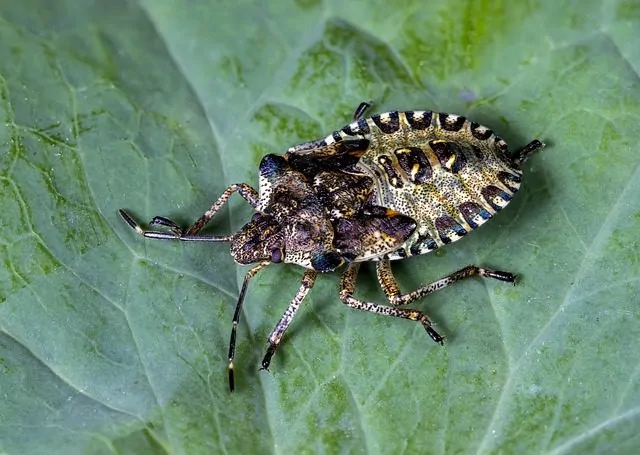
Stink bugs are those creatures you are told not to kill, for if you do, they will emit a terrible smell. For those who may not know, stink bugs are insects characterized by a distinctive shield-like shape and are usually mottled brown or gray. They emit a foul odor when threatened by glands in their abdomen. You may ask, beyond the foul smell, which is a significant concern, what other issues can they cause? They seem harmless. While they are not as dangerous as other pests, they still can pose a serious threat to the health of people living in your household and you. In this article, we will discuss the dangers they cause, when they are most active, steps you can take to mitigate the risks, and when to call a  stink bug pest control service.

When are stink bugs most active in households?

Stink bugs are most common in households during the fall season. The primary reason for this is the temperature. As the weather gets cooler and the days get shorter, stink bugs seek warmer places to avoid the cold. During the winter, stink bugs enter a state of dormancy known as diapause, where they do not feed. It is essential, therefore, for them to find a suitable place; households usually provide an ideal environment for them. This can generally create a domino effect; if one bug finds a shelter site, it releases pheromones that attract other bugs to the exact location. 

Where can you find them and what kind of harm can they cause?

You can find stink bugs in areas such as attics, near windows or doors, cracks and spaces in the wall, or crawl spaces. While it is true that stink bugs don’t cause structural damage to your property, they can cause harm in other ways. They can contaminate food items, especially fruits and vegetables, making them unsuitable for consumption. Regarding the issue of odor, it can also cause allergic reactions in some individuals. 

How to prevent a stink bug infestation?

Instead of dealing with an infestation, preventing one is the more cost-effective solution. There are many ways to do this, including: 

Sealing Entry Points – Random openings around the house are common ways that stink bugs and other insects enter people’s homes. Using materials such as caulk to seal gaps around windows or doors can help block them from entering. 

Focus on Window Screens – Ensuring that your window screens are not damaged is also very important, as broken screens are another common point of entry. If it is broken, ensure that you repair it immediately. It is also essential to ensure that there is proper sealing around your windows and doors to prevent gaps where stink bugs can enter. 

Water & Food Sources – Another effective method is to eliminate food and water sources that attract stink bugs. Making sure to clean up any leftover food and ensuring there are no crumbs around the house can also help reduce the likelihood that stink bugs will enter your home. Eliminate Standing Water – Standing water can also attract stink bugs; therefore, it would be helpful to repair leaky pipes and faucets and ensure proper drainage throughout your home. 

Exterior Lights Can Also Attract Stink Bugs – Eliminating attractants outside your house is also effective. Stink bugs are attracted to light; turning off exterior lights or relocating them to another area may prove helpful. 

Clean up Your Yard – It also helps to clean up your garden to make sure that stink bugs have no place to hide, such as in dead leaves. 

How to get rid of stink bugs already inside?

Okay, so you didn’t prevent them, and now they’re in the house. No worries, there are absolutely ways to handle this issue as well. It is important to state from the get-go, DO NOT CRUSH THEM YOURSELF, unless you want your house to stink for a bit. 

To quickly eliminate them, a helpful method is to use a vacuum cleaner and dispose of the bag immediately outside. 

Another solution is to mix soap and water and spray it on the bugs; the soap disrupts their ability to float, thereby drowning them. 

It is also important not to use insecticides inside the house, most of them are not effective against stink bugs and may be harmful if used indoors. 

Can Pest Control Get Rid of Stink Bugs & When to Seek Help From Professional Services?

If stink bugs have already migrated into your home, it’s best to contact a pest control service to help manage the infestation. Professionals can inspect your home and perform treatments using approved methods to treat the perimeter and interior as needed.

These services are provided by professionals who understand how to best address the issue based on factors unique to your situation. They are also able to implement preventive measures to ensure that an infestation like this does not occur again. If you are looking for services that offer Pest Control in Aurora, Naperville & surrounding areas in Northern Illinois, feel free to contact Yosemite Pest and Rodent Solutions, Inc at (630) 779-7674.

Top 5 Wasp and Yellow Jackets Exterminators in Aurora, Naperville and Surrounding area: Who to Call for Immediate Relief

wasps exterminator pest Services in Aurora & Naperville, il

Wasps are related to bees but do not provide honey, are very aggressive, and not very likable creatures! 

On a serious note, wasps can cause severe damage to your property and your loved ones. Wasps can sting multiple times, unlike bees that die after a single sting. Yellow jackets can also cause structural damage to your property primarily through nest-building activities such as chewing through wood and spreading moisture to surrounding wood, causing decay. 

For these reasons, it is important for Aurora, Oswego & surrounding city residents to hire a professional wasp exterminator in Aurora. It is also important to know the best services, their names, what specific services they provide, pricing, etc. Therefore, in the guide, we will help readers find the best wasp control services near them.

Why do you need a professional wasp or yellow jacket exterminator?

Professional wasp exterminators are important for many reasons, one of which is safety. It is incredibly risky to get rid of wasp nests unless you are a professional. 

Exterminators have access to high quality protective gear that can help shield them from dangerous stings while they carry out their operation. They also are knowledgeable about different types of wasps and kinds of operations that are warranted for different types of wasps. Finally, it is cost-efficient; professional wasp exterminators also specialize in implementing preventative measures to ensure that these infestations do not occur again, saving money in the process. 

Top 5 Wasp Exterminators in Aurora and Surrounding Areas

Yosemite Pest Control

  • Services: Yosemite Pest Control offers eco-friendly integrated pest management services for pests ranging from mice to wasps to ants. It provides both control and maintenance services.
  • Customer Ratings: 5-stars on Google
  • Pricing: Available on Request

Enviro-Pro Professional Pest Management, Inc

  • Services: Enviro Pro offers a wide variety of pest control services for pest service for all your pest problems, including termites, carpenter ants, rodents, flying and crawling insects, fleas, roaches, etc..
  • Customer Ratings: 4.3 stars on Google
  • Pricing: Customized Plan
  • Contact: 630-299-3069

Pest Arrest Pest Control

  • Services: Pest Arrest Pest Control provides services for both commercial and residential clients. These services include inspections and preventative measures. 
  • Customer Ratings: 5 stars on Google
  • Pricing: N/A

Fox Valley Termite & Pest Control

  • Services: Fox Valley Environmental family-owned pest control company serving the western suburbs of Chicago since 1990.  
  • Customer Rating: 5.0 stars on Google
  • Pricing: N/A
  • Contact: 630-513-8120

Terminix

  • Services: Terminix offers a wide range of pest control services such as termite control, wasp control, and bed bug control. 
  • Customer Rating: 5.0 stars on Google
  • Pricing: N/A
  • Contact: (866) 358-6339

How to Choose the Best Wasp Exterminator Near You

Multiple factors are involved in choosing the best wasp exterminator service. Many of these factors are individual and pertain to your unique circumstances, such as where you live and the severity of the issue. 

However some factors are essential to look at regardless of individual situations:

  1. Years of Experience – This matters in almost every professional pest service, and wasp control is no outlier. Experience allows professionals to accurately identify pests, understand their behavior, and develop effective treatment plans. It also provides them the ability to spot problems before they become out of control.
  2. Eco-friendly Services – Nobody prefers harsh chemicals in their vicinity that could harm pests, kids, and other loved ones. Opt for pest control services that provide safe and eco-friendly pest control in Aurora, IL. Considering the harm pesticides can cause, finding a service that understands the potential harm and acts accordingly is important. 
  3. Fast response time – Another incredibly important factor is for a service to have a fast response time to an emergency wasp removal due to the risks in human health and safety. 

How to Prevent Wasp Infestations in Your Home & Yard

There are many ways you can prevent a wasp infestation from occurring. Some of the ways are:

  • Keep household trash cans covered and make sure they are washed regularly. 
  • Walk around the property and search for any new nests. It is best to get rid of them early on before they become trouble.
  • Seal any gaps around the perimeter of your house, such as your patio, deck, etc.
  • Seal gaps around your windows and repair any holes in your windows.
  • Adding plants around your house can also prove useful, as some help prevent wasps. Some useful plants are peppermint, citronella, and marigolds. 

Are All Wasps Bad?

Absolutely not! Many types of wasps are not aggressive and are great for biological control since they prey on many pests, such as stink bugs and caterpillars. The issue mainly arises when wasps build their nests close to our living spaces. At that point, it can cause problems. Due to this, it is best to make your home unattractive to wasps or prevent current new nests from increasing in population using the methods described above and more. 

Did you know that solitary female wasps are not aggressive as they only feed their babies; social wasps are known to be assertive. There are several types of wasps, some more aggressive than others, such as yellow jackets and bald-faced hornets (Southern Living). 

Wasps infestations are no joke. Wasps, while not dangerous all the time, can cause harm to yourself and your property. For these reasons, it is essential to understand why seeking a professional pest control service that does wasp control is incredibly important. If you live in Aurora, knowing the best services in your area regarding wasp control can be very handy.

If you are looking for services that offer Wasp control Control in Aurora, Naperville & surrounding areas in Northern Illinois, feel free to contact Yosemite Pest and Rodent Solutions, Inc at (630) 779-7674.  

A Complete Guide to Pest Control Services

pest control

What is pest control and why is it important?

Pest and rodent control is a system of both corrective and preventive measures taken in order to prevent pests and rodents from causing significant harm to humans or any important objects to humans, such as property (NMU). 

Pest and rodent control is very important for yourself, the people or pets in your home, as well as your structural property. Pests and rodents can cause significant harm to people and property. They can spread diseases, damage various parts of the house, contaminate food sources, etc. They are a common occurrence in households across the United States. In 2022, around 76% of homeowners experienced a pest issue (PestDefense). 

What are the types of pest control services?

Residential pest control services mainly deal with pest eradication in residential areas such as homes, apartments, etc, and usually deal with animals such as cockroaches, ants, spiders, etc.

Commercial pest control services mainly deal with pest control in commercial properties, such as office buildings, hotels, hospitals, etc. These types of services often use chemical and biological treatment but also use non-chemical methods for treatment (EcoGen). 

Industrial pest control services deal with pest prevention in industrial facilities such as warehouses and factories. Commercial inspections are a common first step and multiple methods, such as sealing entry ways are used for prevention (Southern Pest Control). 

Agricultural pest control services deal with pest control as it pertains to the outside environment, such as protection of certain crops, plants, animals etc (Vergo). 

What Are Common Methods of Pest Control?

Chemical pest control

Chemical pest control is the use of pesticides that are mainly chemical substances used for pest control. They are quite effective and bring about quick results, however, they can be toxic and can cause harm to people and animals if they ingest them, and so it is important to handle pesticides very carefully and best when left to certified pest control professionals.

Biological pest control

Biological pest control is the use of natural organisms such as predators or parasites to get rid of pests. Examples are parasitic wasps used to prey on spiders, mites, etc. The main benefit of this practice is that it is environmentally friendly and does not damage the ecosystem as it uses natural mechanisms to get rid of pests and is quite effective long-term (Koppertus). 

Mechanical pest control

Mechanical pest control services utilize physical methods for pest prevention. Examples include barriers such as fences, electronic wires, etc. Mechanical pest control methods make the most sense if there is an abundance of pests in your area (ZipGrow). 

Integrated Pest Management

Integrated Pest Management is essentially a combination of various pest control techniques mainly centered on monitoring pests, structural measures to prevent pests from gaining a foothold in your property, and minimizing damage. This approach involves a combination of prevention, monitoring, and control methods to effectively manage pests while minimizing risks to people and the environment.

By focusing on the exterior of your home, we can prevent pests from ever gaining a foothold indoors, ensuring long-lasting protection for your family and property (Yosemite Pest & Rodent Solutions). 

What are some of the common pests and how do I control them?

Rodents – Rodents such as rats or mice are a common occurrence in people’s homes. This is especially true during the fall and winter months. These rodents carry many diseases with them such as salmonella and gnaw on various objects around the house, they can also damage various objects they collect in order to build their nests (PestWorld). 

Some ways you can prevent them from entering your home is by sealing various holes inside and outside your home, removing any items in your house that might provide material for nest building, and making sure to clean food and water sources around the house (EPA). 

Cockroaches – Insects such as cockroaches are also common home invaders. Cockroaches carry with them 33 different kinds of bacteria and can harm children and pets in the household as well as cause asthma attacks (NCHH). 

Ants – While not usually causing immediate damage, ants can cause damage overtime if not noticed. They do this by chewing through various types of wood inside and around the house in order to build their colonies. This could cause various structural damage to your property which could be quite expensive to repair (MS State). The main way to prevent these creatures is by keeping the house clean for the most part. 

Termites – Termites such as subterranean termites are also common home invaders. They eat wood for nutrition, mainly for the cellulose that is contained in them. The danger with termites is that they can rapidly cause damage to structural property without people noticing until it’s too late (Mississippi State University). 

Why choose a pest control service?

It is simple – pest control services have the experience and expertise it takes in order to eliminate pests from your house. Many of them provide safe and effective treatments that protect your children and pets. 

They can also implement long-term prevention strategies that make sure that there is no other large scale infestation that occurs in your household, this makes investing in a pest control service more cost-effective since you would be likely to spend more consistently having to spend time and money to get rid of pests and well as pay for structural damage to property.

How to Choose a Pest Control Provider:

There are many factors for you to choose from in deciding what pest control provider to choose from:

Experience: Experience is a key factor, how much experience do people in the company have with pest control? This is a key factor especially when it comes to protecting members of your households such as family members or pets and well as your property. 

Reputation: Another factor is reputation of a service, a good way to determine a company’s reputation is to check on Google Reviews if you are not already familiar with the company. 

Qualifications: Qualifications for the company are also important in determining what service to use. Are they using the proper license classification for the job? Do they use Integrated Pest Management techniques (NPIC). 

Pet Friendly and Family Friendly: Pest control can be dangerous for family members and pets, especially when it comes to chemical use. It is important that a company emphasizes this when discussing their services with you. 

Don’t Wait!

Invasive pests and rodents can cause a great amount of damage to your home! It is important as residents to ensure that these pests do not become a problem and harm people and pets inside your house as well as harm the property itself. 

Pest control services are important, not only in eliminating pests from your area, but also ensuring long-term prevention of these pests from your property. Therefore it is important to look for the right pest control service near you in Aurora, IL

If you are looking for services that offer Pest Control in Naperville, Glen Ellyn, Aurora, Oswego, Yorkville, Wheaton and many other cities in the Chicagoland area, feel free to contact Yosemite Pest and Rodent Solutions, Inc at (630) 779-7674. 

Rodents in the Naperville Area: What To Expect & How to Control Them?

Pest and Rodent Control Near in Chicagoland

Residents of the Naperville area, it is that time of year again. The colder months are amongst us, and as we wind down our outdoor activities and seek shelter in our homes, unfortunately, so do many rodents. 

Yes, Stuart Little himself is interested in the warmth of your home and seeks to annoy you while you put up your Halloween decorations or watch football. However, he isn’t gonna cook for you like Ratatouille. All kidding aside though, fall is the time when many rodents start to seek shelter due to the colder temperature outside. It is important as residents of Naperville to know what are the common rodents around in Naperville during this time and what you can do. Here is a list of a few common rodents you may encounter. 

House Mouse

House mice are a type of mouse that can be either gray or brown in color. They have large ears and small eyes and around 5.5 to 7.5 inches long and 3 to 4 inches tall.

They are usually considered some of the most burdensome pests in the US. Their diet mainly consists of foods that humans or pets eat, usually cereal grains. This can cause potential risks due to them contaminating food surfaces, potentially spreading salmonella. House mice carry many other diseases such as hantavirus and rat bite fever, to name a few (PestWorld). They can also cause damage to structural property by them gnawing on certain objects. 

There are many ways to recognize if house mice have entered your home. They can usually be spotted during the daytime; fresh gnawing is another indicator and so are certain tracks indicating where they have been (DPH). 

Deer Mouse

The deer mouse is often known as the white footed mouse. They have a bicolor tail which is perhaps the easiest way to distinguish them from house mice, however, they also have larger eyes and ears and are as a whole bigger than house mice. 

They are nocturnal creatures and spend the day in nests that they build. They primarily eat various types of seeds, although they also eat fruits, fungi, and invertebrates. 

Deer mice are of small size and because of this, they are able to enter various homes and buildings. They usually enter homes to build nests and store food. They can damage certain furniture such as mattresses, paper, clothing, etc, in order to build their nests. However, the main concern with these types of mice is that they carry a disease known as hantavirus. It is a severe respiratory disease with a fatality rate of about 36%. 

The main ways to identify deer mice are similar to that of house mice, however deer mice tend to store food supplies such as acorns, seeds, and nuts, and that could be another indicator of their presence (UC IPM). 

Norway Rat

Despite their name, they are said to have originated from Asia, arriving in the US around the 1700s. They have mostly brown fur with a little black fur around the body and a gray to white coloring on their underside. Despite them having poor vision and being colorblind, they have a great sense of hearing, smell, taste, and touch. They are nocturnal.

Norway rats tend to enter homes during the fall due to the scarcity of food and water outside. They can fit into small spaces and when they enter homes, they usually build nests. They build nests in many spots such as in basements or in piles of debris. 

The main issue with these rats is, similar to the other rodents we’ve discussed, them gnawing on various objects. To get food or water, they will occasionally gnaw on plastics and lead pipes. This activity can lead to serious damage to structural property. They also carry various diseases such as jaundice, cowpox, rat bite fever, to name a few. 

There are many signs that indicate norway rats in your house: one sign is gnaw marks, another one is droppings that tend to be shaped like a capsule, and finally, bite marks around the house (PestWorld). 

Roof Rats

Roof rats are different from norway rats in that they are smaller and have black fur with pale underbelly (AI). They are native to southeast Asia however have now spread to various parts of the United States. 

The type of damage they do to houses are similar to that of norway rats in that they gnaw through various parts of the house, causing structural damage to the property, they damage various parts of the house in order to build nests, and they carry various diseases with them such as salmonella. 

While it is a little more difficult to identify roof rats due to droppings being quite infrequent since they mostly live overhead between floors, however, damage to outdoor vegetation can be an indicator that they are around (ICWDM). 

Don’t Wait!

As residents of Naperville, it is important to be aware of these types of pests and rodents that can cause harm to your property and to your health. If an infestation has already occurred or you are generally worried about one, feel free to contact Yosemite Pest & Rodent Solutions. We offer services for pest and rodent control in Naperville, Aurora, Glen Ellyn, Oswego, Yorkville, Wheaton  and other surrounding cities in the Chicagoland area. Our phone number is (630) 779-7674.